
Image: The Hindu
Discover the meaning and implications of the phrase 'no quarter' in military contexts, especially after the remarks by Defense Secretary Pete Hegseth.
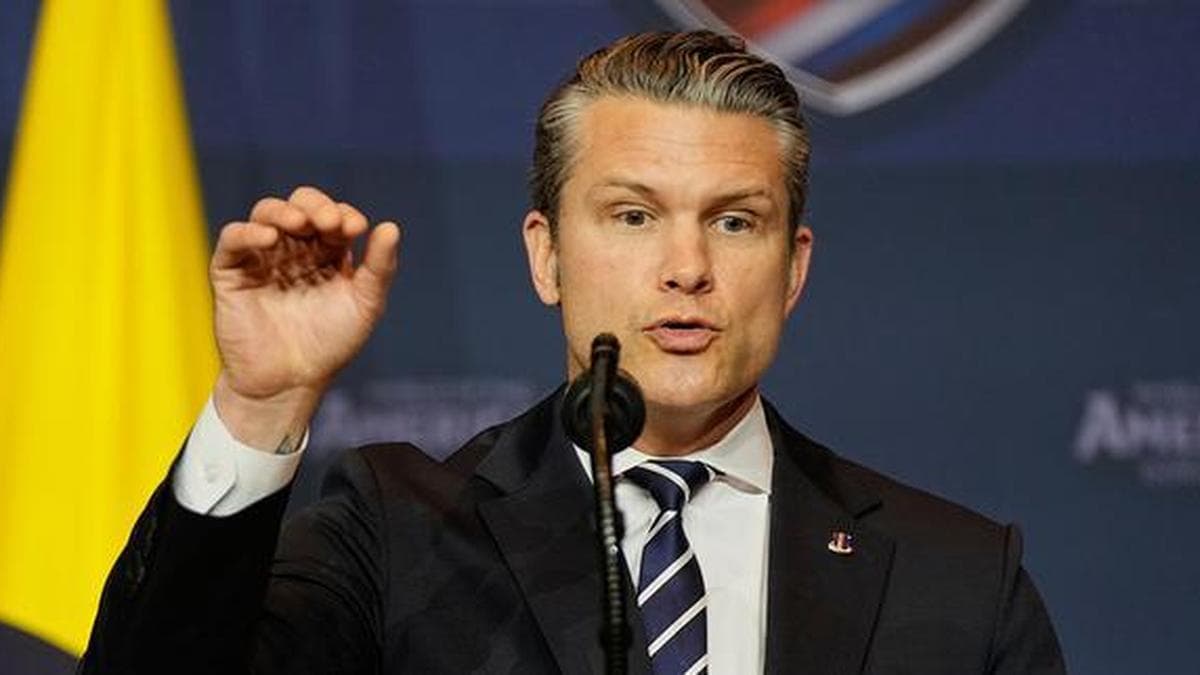
GlipzoThe phrase "no quarter" has recently gained significant attention following remarks made by Pete Hegseth, the U.S. Secretary of Defense, during a Pentagon briefing. Hegseth's declaration that the U.S. would conduct military operations with "no quarter, no mercy for our enemies" has raised eyebrows, especially in light of escalating tensions after the sinking of the Iranian naval vessel IRIS Dena on March 4, 2026, which reportedly led to the deaths of over 80 sailors. This statement has sparked conversations about the implications of such rhetoric in the context of international humanitarian law and military ethics.
In military terminology, the phrase "no quarter" signifies a refusal to spare enemy combatants, even if they surrender or are incapacitated. This doctrine suggests that any enemy who is unable to continue fighting will not be taken prisoner but rather killed. According to Colonel Dr. Divakaran Padma Kumar Pillay (Retd.), a Research Fellow at MP-IDSA, this approach effectively eliminates the possibility of mercy in combat, leading to a grim interpretation of warfare.
The prohibition against declaring "no quarter" is deeply rooted in the history of warfare and is codified in various international treaties:
These laws represent a commitment to humane treatment even in times of war, ensuring that combatants who surrender are treated with dignity and respect.
Experts warn that rhetoric suggesting "no quarter" can have dangerous repercussions on the battlefield. Dr. Thomas Mathew, a retired IAS officer and defense analyst, criticized Hegseth's statement as a blatant violation of international law, emphasizing that such declarations endanger the very soldiers who carry out orders. The concept of reciprocity in international humanitarian law indicates that if one side refuses to accept surrenders, the opposing side may retaliate in kind, leading to a breakdown of established protections for captured soldiers.
One of the hallmarks of a modern military is its discipline and adherence to legal frameworks governing armed conflict. When civilian leaders advocate for "no quarter", they compel military personnel to abandon their moral and legal obligations. This creates a "command climate" where atrocities may become more likely, as soldiers might interpret such statements as tacit approval to disregard the Geneva Conventions.
The implications of disregarding international humanitarian law are profound and far-reaching. By allowing "no quarter", the U.S. signals a potential escalation in the brutality of warfare, where the norms that protect combatants are eroded. This can lead to:
As military leaders and civilian officials navigate complex geopolitical landscapes, they must be conscious of the language they use. Statements like "no quarter" not only reflect military policy but also shape the ethos of armed conflict. It is crucial that leaders promote a culture of adherence to international law and respect for human dignity, even in the heat of battle.
The situation is fluid, with tensions between the U.S. and Iran continuing to escalate. As military operations proceed, the international community will be watching closely. The rhetoric surrounding "no quarter" could influence the actions of both U.S. forces and their adversaries, potentially leading to a more brutal and unforgiving battlefield environment.
In conclusion, the phrase "no quarter" serves as a stark reminder of the moral complexities inherent in warfare. It raises critical questions about the responsibilities of leaders and the need for accountability in military operations. Moving forward, it is essential for all parties to engage in dialogue that prioritizes humanitarian principles and the protection of human rights, even amidst the chaos of conflict.

Tensions soar as the US and Iran engage in air strikes near the Strait of Hormuz, raising concerns over global oil supply and regional stability.
BBC World
Trump's international interventions face serious stalemates. What will this mean for U.S. foreign policy? Explore the critical challenges ahead.
Indian Express
Tehran denies resignation of President Masoud Pezeshkian amid claims of IRGC influence. What does this mean for Iran's political stability? Click to learn more!
Indian Express