
Image: BBC Business
A shocking BBC investigation reveals illegal drug sales in UK mini-marts, highlighting urgent calls for action against organized crime. Discover the findings.
GlipzoA recent undercover investigation by the BBC has revealed a disturbing trend: illegal drugs including cocaine, cannabis, laughing gas, and prescription medications are being sold openly in mini-marts across the UK High Streets. Conducted in four neighboring towns within the West Midlands, this probe has shed light on the alarming activities occurring right under the noses of law enforcement.
The investigation, which involved secret filming, found that some high streets have become virtual marketplaces for organized crime. One anonymous law enforcement source described a particular street as "lawless," highlighting the severity of the issue. Amid rising concerns about public safety, legitimate business owners reported feeling threatened by gang activities, experiencing incidents of knife and gun violence.
The findings echo a broader trend across the country. According to reports from the National Crime Agency (NCA) and the Chartered Trading Standards Institute (CTSI), organized criminal gangs are increasingly using shopfronts as fronts for their illegal operations. From Bideford in Devon to Great Yarmouth in Norfolk, and even Belfast in Northern Ireland, the investigation unveiled that drugs such as crystal meth and heroin have been discovered in over 70 shops and linked premises nationwide.
The alarming rise in drug sales has led to calls for urgent government action. Liam Byrne, a senior Labour MP and chair of the Business and Trade Committee, emphasized the gravity of the situation, stating, "We can't restore our High Streets unless we take out the cancer of organised crime." This sentiment reflects a growing concern among lawmakers about the impact of these criminal activities on local communities.
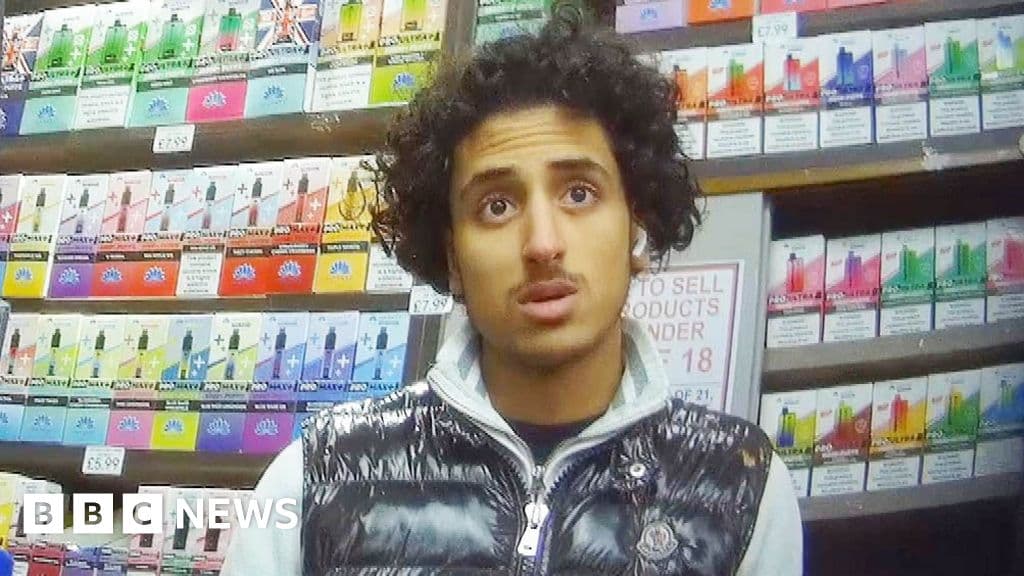
During the undercover operation, a researcher entered a mini-mart in Cradley Heath, where the staff member, identified as Akwa, was quick to offer a range of drugs. With just a casual inquiry about cannabis, our investigator was able to purchase 3.5 grams for £30. This troubling ease of access exemplifies the pervasive nature of the drug trade in these towns.
The transaction occurred behind shelves stocked with everyday items, as Akwa led the researcher to a backroom where he produced the cannabis from a rucksack. When asked about purchasing cocaine, Akwa promptly contacted a supplier, and within hours, a gram was delivered to the shop and sold for £95. This straightforward process underscores the audacity with which these operations are conducted.
What’s even more alarming is that Akwa was not just selling street drugs; he also showcased a selection of prescription medications on his phone, including pregabalin, a drug often used for treating anxiety and nerve pain. The misuse of such drugs has been linked to an alarming surge in overdose deaths, raising significant public health concerns.
Upon confronting Akwa about these activities, he outright denied any wrongdoing, claiming ignorance about the illegal sales and requested the researcher to leave. This reaction highlights the extent to which these criminals operate with impunity, often dismissing accountability.
In light of these revelations, Sandwell Council has expressed its commitment to tackling illegal activities in its jurisdiction. A spokesperson indicated that they are working closely with police to combat the rampant drug trade affecting local communities.
In the nearby borough of Dudley, the situation is similarly dire. According to Kuldeep Maan, the Trading Standards lead, organized crime gangs have significantly infiltrated the High Streets, with the sale of illegal drugs, counterfeit cigarettes, and illicit vapes at its highest level in 20 years. During the investigation, our team even observed individuals acting as "spotters" outside mini-marts, seemingly monitoring for potential law enforcement actions.
The ramifications of this investigation extend beyond the immediate sales of drugs. The rise of organized crime in High Streets not only jeopardizes community safety but also undermines legitimate businesses, erodes public trust, and contributes to an overall decline in the quality of life for residents.
As law enforcement and local authorities grapple with these challenges, the need for a coordinated response becomes increasingly urgent. The ongoing investigation by the BBC serves as a critical reminder of the pervasive nature of these issues and the necessity for vigilance and action from both the government and communities alike.
Moving forward, it will be essential to monitor how local and national governments respond to the findings of this investigation. Stakeholders will be watching closely for potential policy changes aimed at eradicating organized crime from High Streets.
As communities continue to face the consequences of illegal drug sales, it is imperative that citizens remain informed and involved in discussions around safety and public health.
In the coming months, expect further developments as law enforcement ramps up efforts to dismantle these criminal networks and restore the integrity of local businesses. The fight against organized crime in the UK High Streets has only just begun.

Tensions soar as the US and Iran engage in air strikes near the Strait of Hormuz, raising concerns over global oil supply and regional stability.
BBC World
Trump's international interventions face serious stalemates. What will this mean for U.S. foreign policy? Explore the critical challenges ahead.
Indian Express
Tehran denies resignation of President Masoud Pezeshkian amid claims of IRGC influence. What does this mean for Iran's political stability? Click to learn more!
Indian Express