
Image: BBC World
The UN has officially recognized African enslavement as the 'gravest crime against humanity', igniting calls for justice and reparations across the globe.
GlipzoThe United Nations General Assembly has made a monumental decision by recognizing the enslavement of millions of Africans during the transatlantic slave trade as "the gravest crime against humanity." This historic vote, held on November 11, 2023, reflects a growing global acknowledgment of the deep scars left by slavery and aims to pave the way for healing, justice, and reparative measures.
The resolution, introduced by Ghana, calls for member states to consider offering formal apologies for the slave trade, alongside contributing to a reparations fund. However, it notably does not specify any monetary amounts for these reparations. The proposal received overwhelming support, with 123 votes in favor, while three nations, notably the United States, Israel, and Argentina, voted against it. Fifty-two countries, including the United Kingdom and several European Union member states, chose to abstain from the vote.
The significance of this vote cannot be understated. While resolutions passed by the UN General Assembly do not carry the same legal weight as those from the UN Security Council, they represent a powerful statement of global consensus and moral obligation. Ghana's President John Mahama articulated this sentiment poignantly, stating, "Let it be recorded that when history beckoned, we did what was right for the memory of the millions who suffered the indignity of the slave trade."
In his remarks, President Mahama emphasized that the resolution serves as a critical safeguard against the erasure of history and an acknowledgment of the persistent racial inequalities stemming from slavery. Ghana's Foreign Minister Samuel Okudzeto Ablakwa reinforced this message, expressing that the demand for reparations is not self-serving for African leaders but rather a quest for justice for the victims of the slave trade. "We want justice for the victims and causes to be supported, educational and endowment funds, skills training funds," he stated during an interview with the BBC.
The push for reparations has gained momentum globally, with the African Union adopting "reparatory justice" as its theme for 2025 and Commonwealth leaders advocating for discussions on this pressing issue. This growing dialogue indicates a shift in how nations are addressing the legacy of slavery and its enduring impacts.
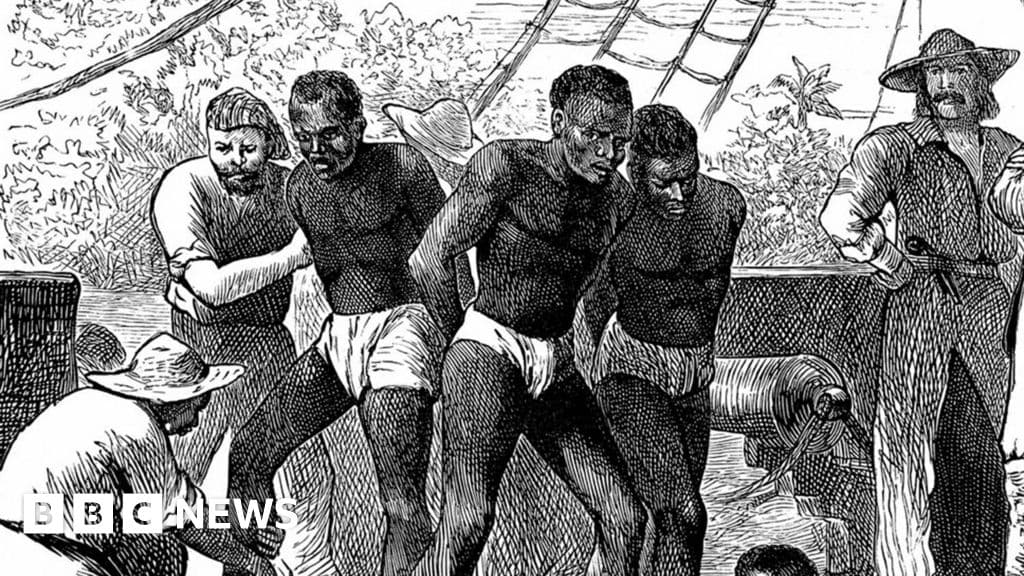
From 1500 to 1800, it is estimated that between 12 to 15 million Africans were forcibly taken from their homeland and shipped to the Americas, where they were subjected to brutal conditions as slaves. Tragically, over two million individuals are believed to have died during the harrowing journey across the Atlantic. The UN resolution highlights that the repercussions of slavery are still felt today, manifesting as racial inequalities and socio-economic underdevelopment affecting people of African descent worldwide.
Ablakwa pointed out that the descendants of those enslaved continue to face systemic exclusion and racism that can be traced directly back to the transatlantic slave trade. This continued suffering underscores the importance of acknowledging historical injustices and taking actionable steps toward reparative justice.
The UK, a significant player in the transatlantic slave trade, acknowledged the profound suffering caused to millions but expressed concerns regarding the resolution's implications. James Kariuki, the UK ambassador to the UN, described the resolution's wording as problematic and suggested that no single atrocity should be deemed more significant than another.
Similarly, the United States voiced its dissent, with its ambassador to the UN, Dan Negrea, arguing against the recognition of a legal basis for reparations tied to historical wrongs that were not illegal at the time. The US's stance reflects a broader reluctance among some nations to grapple with the implications of reparations, both legally and politically.
As the UN recognizes the enslavement of Africans as a grave crime against humanity, the focus now shifts to how this acknowledgment will translate into meaningful actions. Key areas to watch include:
This resolution not only marks a critical moment in the fight for justice and reconciliation but also presents an opportunity for nations to confront their past and work towards a more equitable future. As global conversations about race, history, and justice continue to evolve, the outcome of this resolution will likely shape the discourse surrounding reparations for years to come.
In conclusion, the UN's historic vote to declare the enslavement of Africans a crime against humanity is a step toward recognizing the past and addressing its ongoing consequences. Stakeholders worldwide will be observing how this pivotal moment influences policies, reparative measures, and the collective healing process for affected communities.
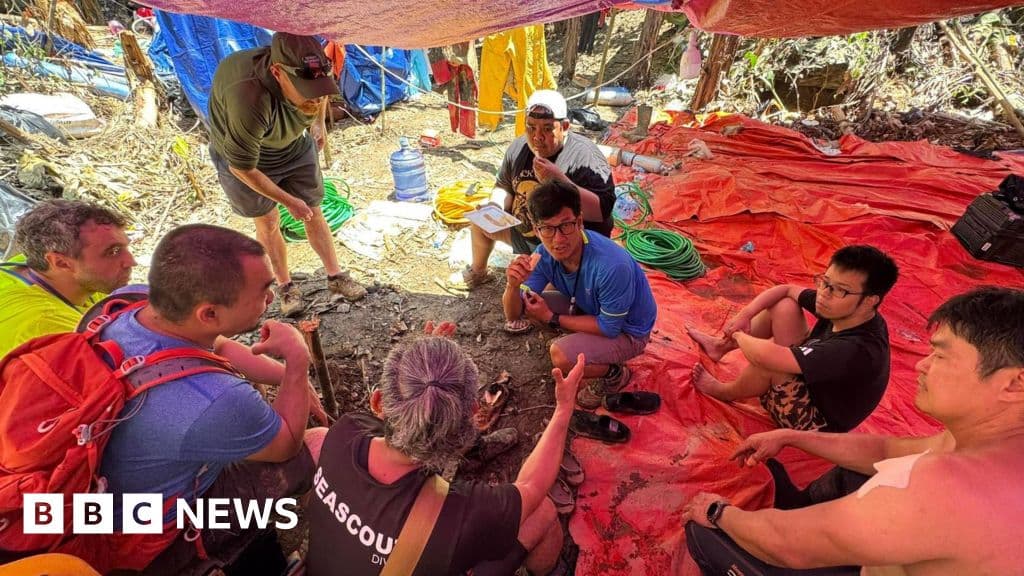
Survivors of the Laos cave rescue are aiding efforts to find the last two missing men trapped inside, sharing crucial insights for the search operation.
BBC World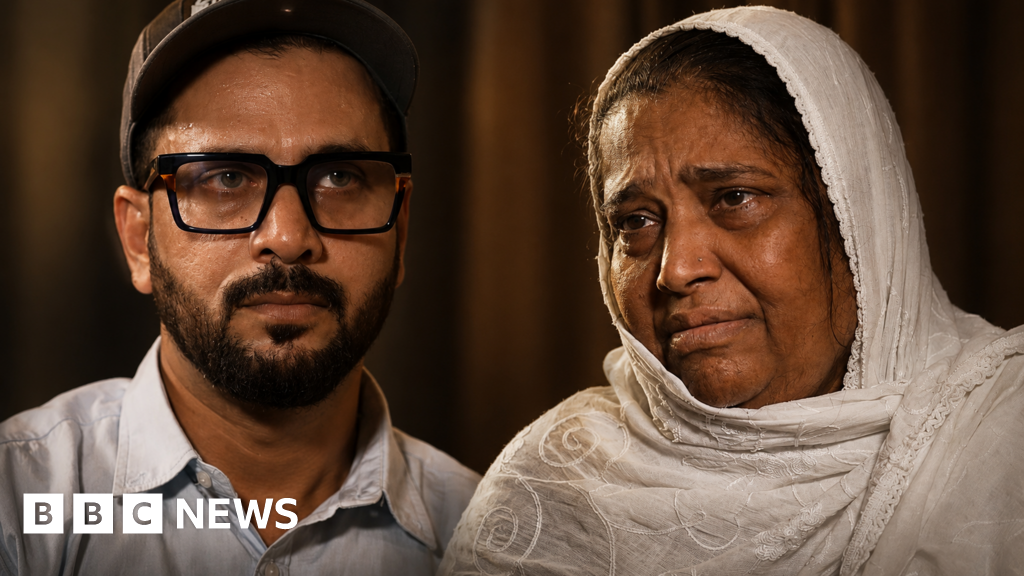
A year after the tragic Air India crash, the Ali family reflects on grief, unanswered questions, and the enduring bonds of love in the face of loss.
BBC Business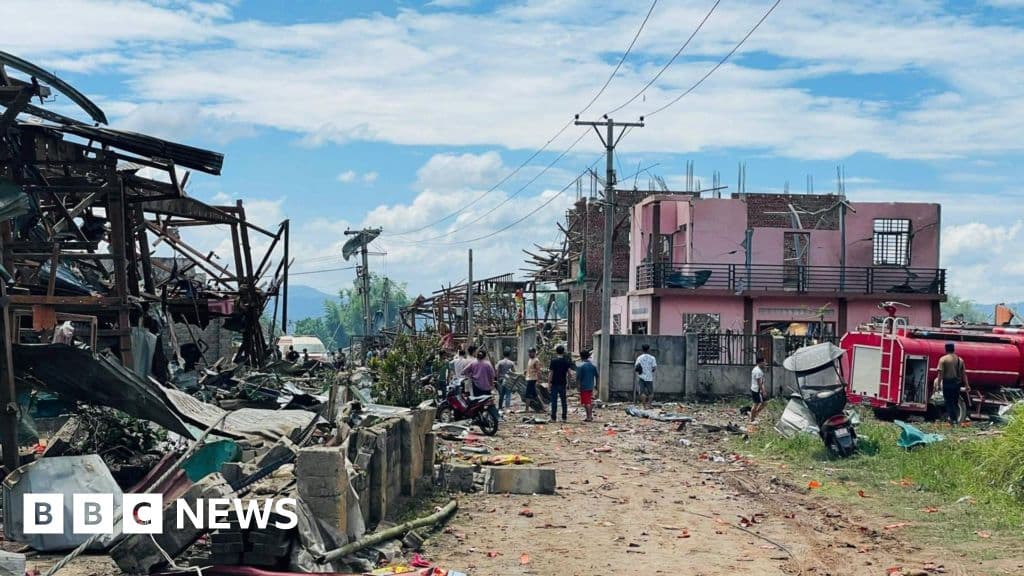
A devastating explosion in Myanmar's Kaung Tat village has killed at least 55 people, raising serious safety concerns and questions about civilian protection in conflict zones.
BBC World