
Image: BBC World
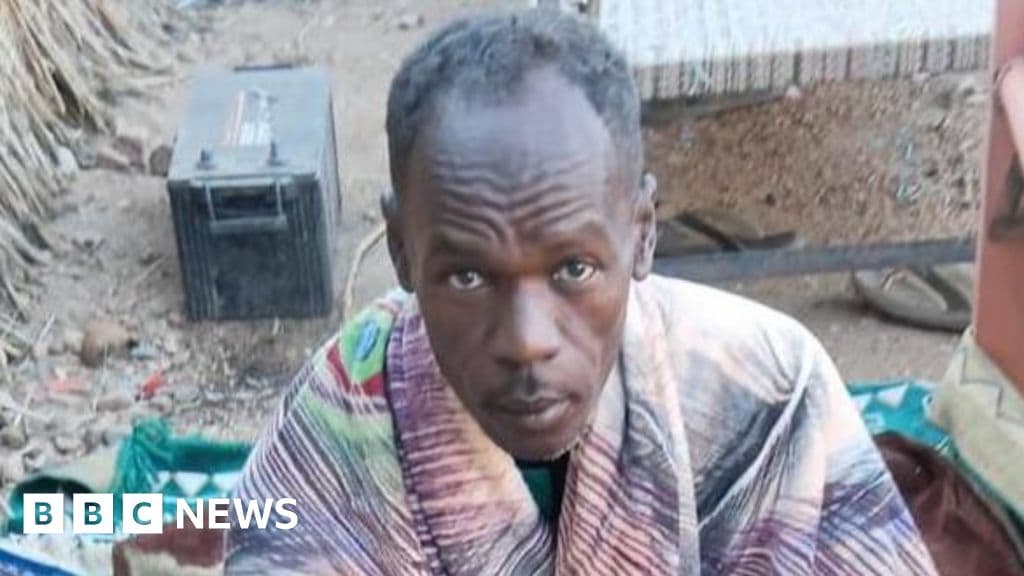
Discover the harrowing account of Mohamed Suleiman, a reporter who reconnected with the world after years trapped in Sudan's devastating civil war.
GlipzoOn January 13, 2023, Mohamed Suleiman, a journalist and academic, found himself in a Port Sudan telecom office, overwhelmed by emotion. After nearly three years of silence during Sudan's civil war, which erupted due to a power struggle between the army and the paramilitary group Rapid Support Forces (RSF), he finally heard his phone ringing. It was a poignant moment for Suleiman, who had endured a harrowing isolation in the besieged city of el-Fasher.
"I was flustered because people were talking on their phones (inside the office)," Suleiman recounted. The moment he inserted a new SIM card, his device exploded with notifications, revealing a grim tapestry of missed connections and tragic news. Messages flooded in, filled with grief and uncertainty: news of departed colleagues, friends wondering about his fate, and an overwhelming sense of loss. "A few days ago, a person called me saying he thought I had died," he shared, recounting the emotional weight of reconnecting through a video call. "He broke down in tears when he realized it was me."
Suleiman’s journey to this moment was fraught with peril. For 18 months, el-Fasher endured a brutal siege imposed by the RSF, leading to systematic violence marked by drone strikes and bombings. Suleiman described the suffocating silence as almost as deadly as the violence itself, saying, "It was like the Day of Judgment on Earth." The RSF's takeover of el-Fasher in October 2022 was one of the war's most devastating episodes, a stark illustration of the humanitarian catastrophe unfolding across Sudan.
The civil war, which ignited in the capital Khartoum on April 15, 2023, rapidly escalated, spreading like wildfire throughout the country, particularly in Darfur, the RSF's stronghold. As the conflict rages on, it has led to a de-facto split between territories controlled by the army and the paramilitary forces. Millions of Sudanese have fled their homes, creating one of the world’s most pressing humanitarian crises. Diplomatic efforts, primarily from the United States, to mediate an end to the violence have faltered, as regional powers continue to back both factions, perpetuating the cycle of conflict.
Suleiman's narrative paints a chilling portrait of the civilian experience in el-Fasher amidst the ongoing chaos. As the RSF clashed with local armed groups allied with the army, the situation grew increasingly dire. A UN-backed food monitor eventually declared famine conditions, highlighting the severity of the crisis. "We saw dead children in the streets," Suleiman recalled. “We saw women crying from extreme hunger and thirst... they left their children in the road.” The indifference of the world to the plight of el-Fasher’s inhabitants weighs heavily on him.
The desperate search for safety led many to attempt escape to the nearby town of Tawila, traveling through roads strewn with the dead and dying. Suleiman lamented that if they had been able to communicate for help, perhaps fewer lives would have been lost. "There are things I cannot describe because they are inhumane." His heart-wrenching accounts serve as a testament to the horrors that unfolded in el-Fasher, horrors that remain largely unknown to the global audience.
The RSF leadership has acknowledged that "individual violations" occurred during their operations, but the broader implications of their actions have yet to be fully addressed. As the conflict approaches its fourth year, the humanitarian landscape in Sudan remains grim, with reports of widespread suffering, starvation, and violence.
Suleiman’s story encapsulates more than just his personal ordeal; it represents the collective trauma experienced by millions. The world must awaken to the ongoing crisis—one that has stripped individuals of their dignity, their homes, and even their lives. With diplomatic solutions proving elusive, the fate of Sudan hangs in the balance.
Looking Ahead: As international attention shifts, it is crucial to monitor how the situation develops. Will the global community finally respond with the urgency that this crisis demands? As humanitarian organizations strive to provide aid amidst the chaos, the voices of those like Suleiman will be vital in raising awareness and advocating for peace. The path forward remains uncertain, but the need for action is more pressing than ever.
In the face of such adversity, the resilience of the Sudanese people continues to shine through their stories, urging the world not to forget their plight. As we reflect on the ongoing war in Sudan, we must commit to amplifying these voices and demanding accountability for the suffering endured by so many.
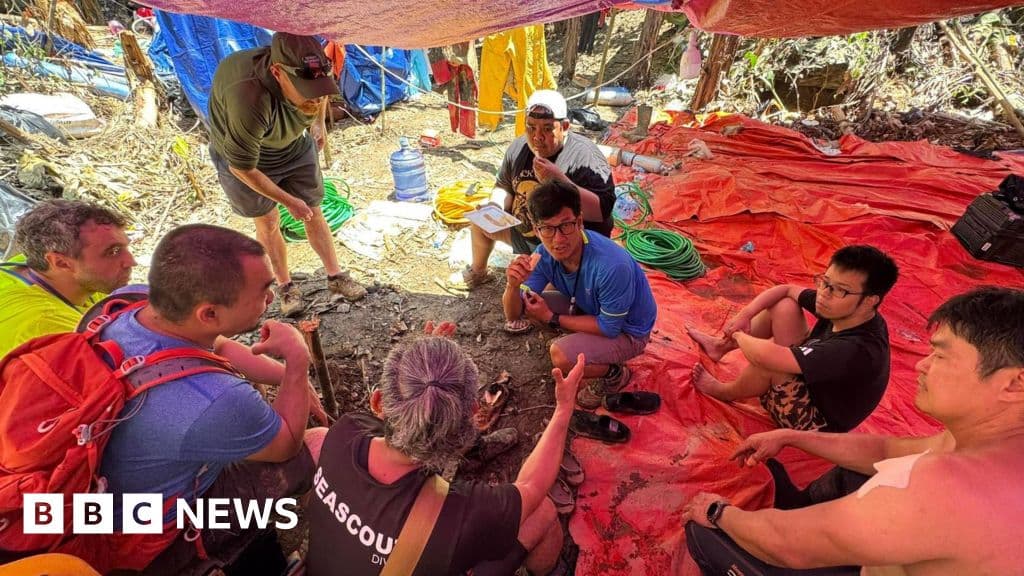
Survivors of the Laos cave rescue are aiding efforts to find the last two missing men trapped inside, sharing crucial insights for the search operation.
BBC World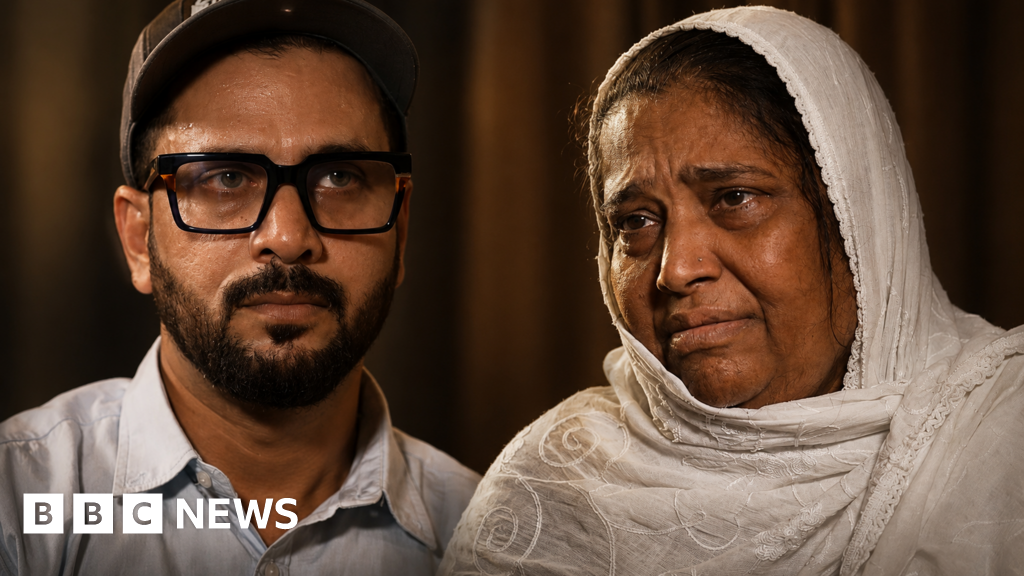
A year after the tragic Air India crash, the Ali family reflects on grief, unanswered questions, and the enduring bonds of love in the face of loss.
BBC Business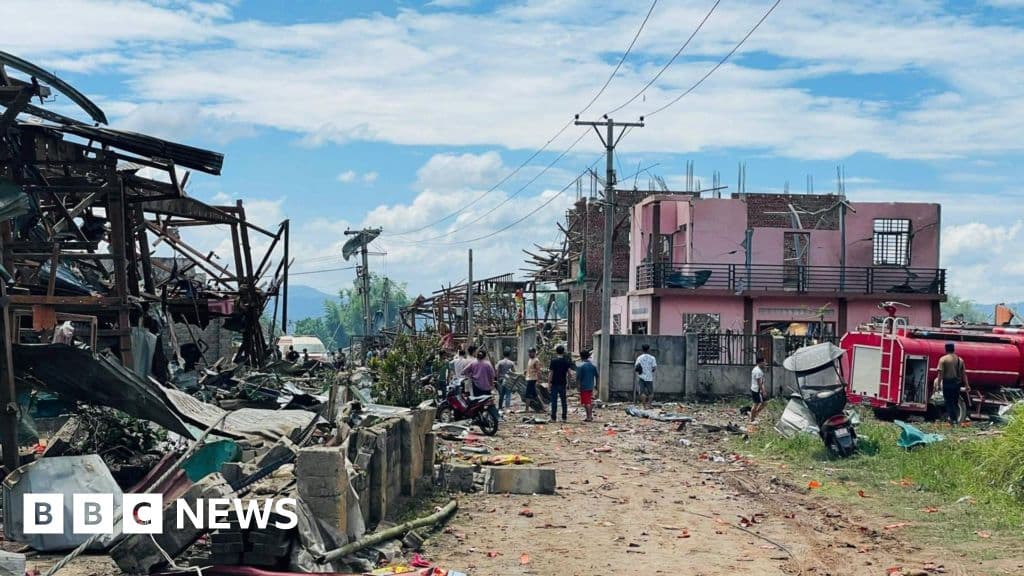
A devastating explosion in Myanmar's Kaung Tat village has killed at least 55 people, raising serious safety concerns and questions about civilian protection in conflict zones.
BBC World