
Image: BBC World
A tragic boat capsizing in the Andaman Sea has left 250 migrants missing. Discover the harrowing details and the ongoing Rohingya crisis.
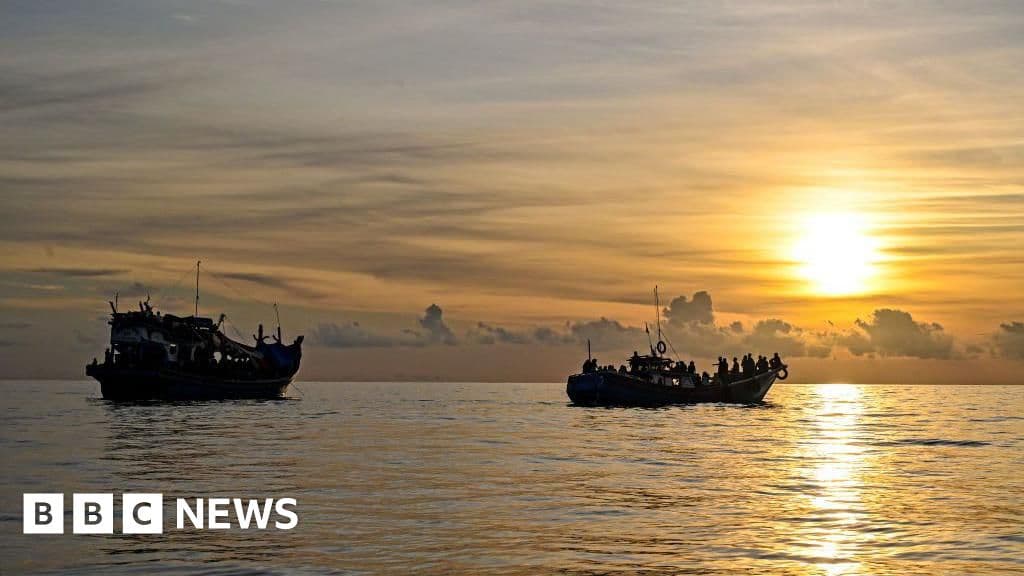
GlipzoIn a heartbreaking incident in the Andaman Sea, approximately 250 individuals, predominantly Rohingya and Bangladeshi migrants, are currently unaccounted for following the capsizing of a boat last week. This tragedy has drawn attention from the United Nations' refugee and migration agencies, who are working to assess the situation and provide assistance.
The ill-fated trawler set sail from Bangladesh, aiming for Malaysia, when it reportedly succumbed to adverse weather conditions, including heavy winds and rough seas, coupled with the dangers of overcrowding. According to reports from the Bangladesh Coast Guard, on April 9, one of their vessels managed to rescue nine survivors from the wreckage, although it remains uncertain when the tragedy actually occurred.
The Rohingya people, a Muslim ethnic minority from Myanmar, have faced severe persecution, particularly since a brutal military crackdown in 2017 that forced hundreds of thousands to flee to neighboring Bangladesh. The Rohingya are denied citizenship in Myanmar, a predominantly Buddhist nation, leading many to seek refuge in Malaysia, perceived by some as a potential safe haven due to its Muslim majority.
Living conditions in refugee camps in Bangladesh are dire, prompting many to undertake perilous sea journeys. Rafiqul Islam, a survivor of the recent capsizing, recounted his harrowing experience, stating he drifted for nearly 36 hours before rescue, suffering burns from oil that leaked from the capsized vessel. He was motivated to embark on this dangerous journey by the hope of finding employment in Malaysia.
The United Nations High Commissioner for Refugees (UNHCR), along with the International Organization for Migration (IOM), issued a joint statement expressing profound sadness over this tragic event. They highlighted that this incident underscores the urgent need for durable solutions for the Rohingya people. The ongoing violence in Rakhine State, where many Rohingya originate, has severely diminished hopes for a safe return, compelling individuals to make risky maritime journeys in search of safety and better opportunities.
The UN agencies emphasized that shrinking humanitarian aid and deteriorating living conditions in the camps are fueling these dangerous endeavors. The boats used for such journeys are often small, overcrowded, and lack essential facilities, including fresh water and sanitation. Many do not survive the perilous journey, with some succumbing to the sea's dangers while others face detention or deportation upon reaching their intended destinations.
In recent years, numerous reports have highlighted the challenges faced by Rohingya migrants. Some have been turned away by authorities in Malaysia and Indonesia, or rejected by local coastal communities. For instance, in January 2025, Malaysia turned away two boats carrying about 300 refugees, despite providing them with food and water.
A Rohingya refugee residing in Cox's Bazar, Bangladesh, poignantly remarked, "People are dying in the fighting, dying from hunger. So some think it's better to die at sea than to die slowly here." This sentiment reflects the desperation faced by many in the refugee camps, driving individuals to take life-threatening risks.
In light of this tragedy, the UN agencies urged the international community to continue supporting Rohingya refugees and their host communities in Bangladesh. As Bangladesh celebrates its new year, the UN's statement serves as a stark reminder of the critical need for comprehensive efforts to tackle the fundamental issues causing displacement in Myanmar. They called for the establishment of conditions that would allow for the voluntary, safe, and dignified return of Rohingya refugees to their homeland.
This tragic incident is not just a humanitarian crisis; it symbolizes the overarching plight of the Rohingya people and the urgent need for global action. The desperation driving these migrants to risk their lives at sea reflects a broader systemic failure to protect vulnerable populations.
As this situation continues to unfold, it is crucial for the international community to focus on sustainable solutions that address the root causes of the Rohingya crisis. Monitoring future migration patterns, advocating for human rights, and ensuring the provision of humanitarian aid will be essential in alleviating the suffering of the Rohingya population. Keeping an eye on governmental responses in both Bangladesh and Myanmar will be vital as we seek paths towards peace, safety, and dignity for all affected.
In conclusion, this tragedy serves as a haunting reminder of the challenges faced by the Rohingya and the urgent need for collective action to support displaced communities across the globe.
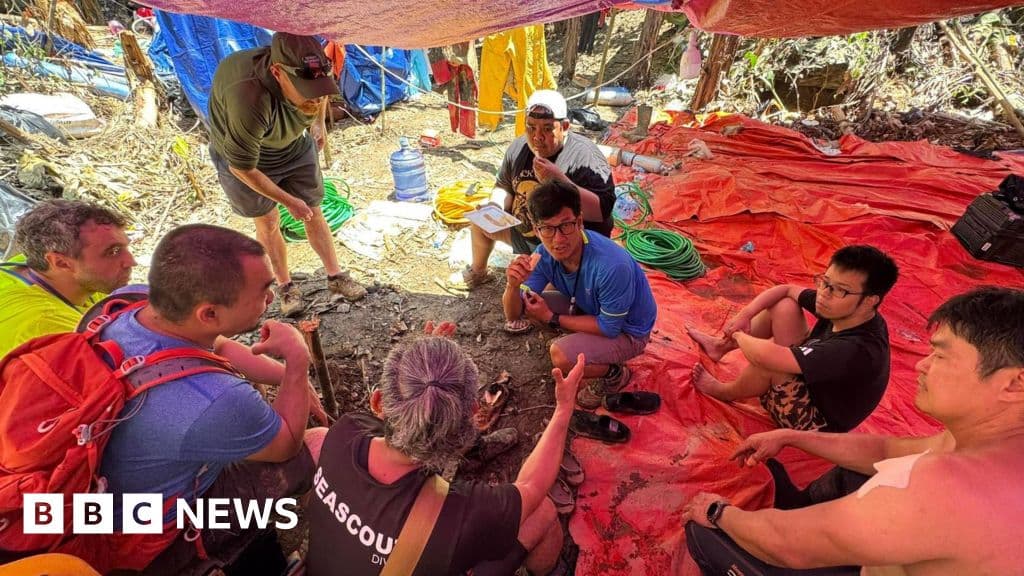
Survivors of the Laos cave rescue are aiding efforts to find the last two missing men trapped inside, sharing crucial insights for the search operation.
BBC World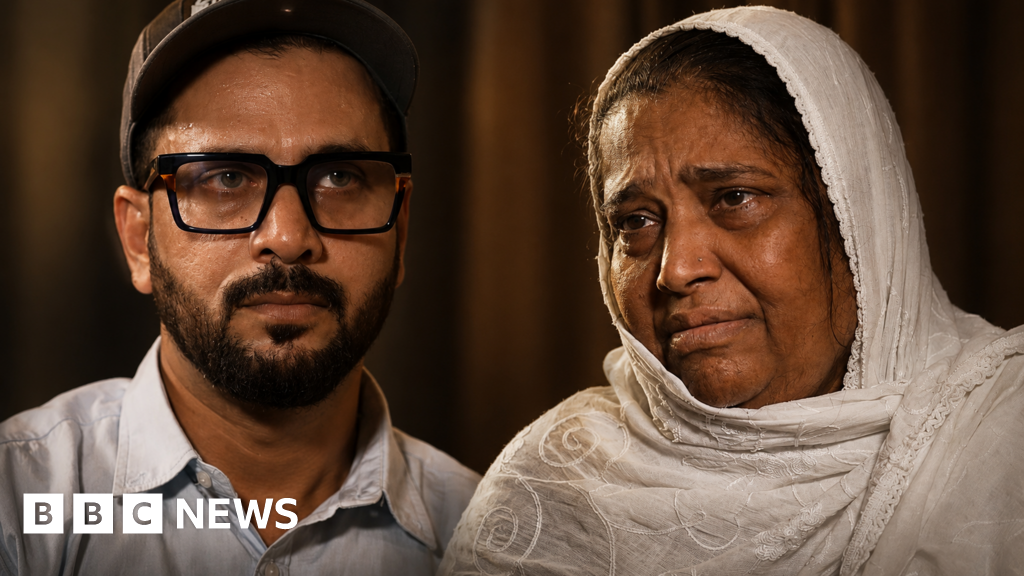
A year after the tragic Air India crash, the Ali family reflects on grief, unanswered questions, and the enduring bonds of love in the face of loss.
BBC Business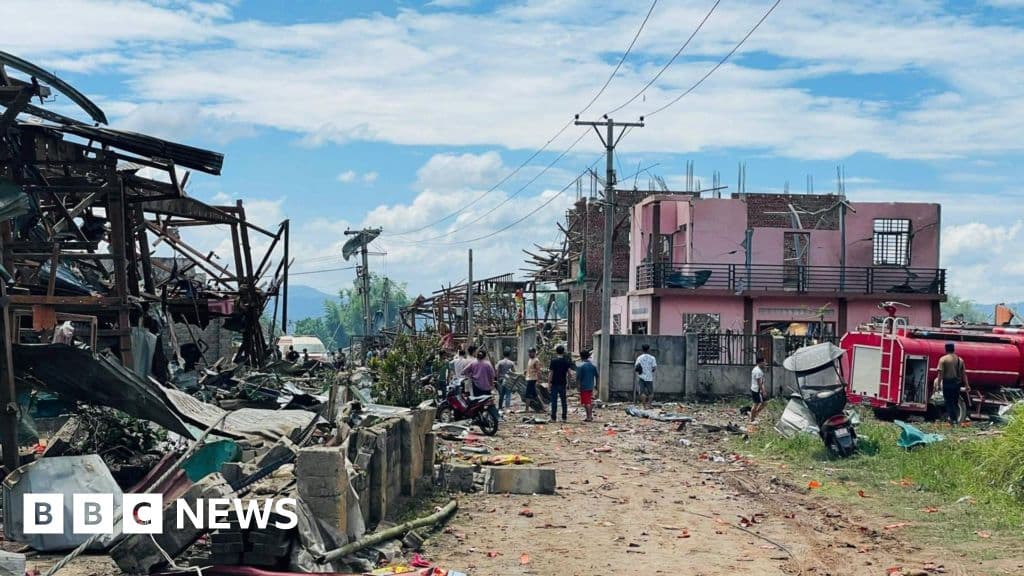
A devastating explosion in Myanmar's Kaung Tat village has killed at least 55 people, raising serious safety concerns and questions about civilian protection in conflict zones.
BBC World