

Image: Science Daily
New study links ultra-processed foods to a 67% higher risk of heart attacks and strokes. Learn why this matters for your health.
GlipzoRecent research has unveiled a startling connection between the consumption of ultra-processed foods and an increased risk of severe cardiovascular issues, including heart attacks and strokes. Presented at the American College of Cardiology's Annual Scientific Session (ACC.26), this groundbreaking study reveals that individuals who consume more than nine servings of these foods daily are at a staggering 67% higher risk of experiencing major cardiac events when compared to those who limit their intake to just one serving per day. The implications of these findings are critical for public health and dietary practices.
Ultra-processed foods encompass a wide variety of packaged items, including chips, frozen meals, sugary beverages, breakfast cereals, and processed meats. This research not only highlights the dangers associated with these foods but also emphasizes the urgent need for heightened awareness and moderation in their consumption.
The term ultra-processed foods refers to items that undergo significant industrial processing, often containing additives, preservatives, and artificial ingredients. The study utilized the NOVA classification system, which categorizes foods based on their level of processing. Items range from unprocessed foods, such as fresh fruits and vegetables, to ultra-processed options, which are often high in sugars, unhealthy fats, and sodium.
Key findings from the study reveal: - Participants consuming the most ultra-processed foods averaged 9.3 servings per day. - Those with the lowest intake consumed about 1.1 servings daily. - The risk of dying from coronary heart disease or stroke increased by 67% for the highest intake group.
The study focused on 6,814 adults aged between 45 to 84 years, all of whom were free from known heart disease at the study's outset. This diverse population provides valuable insights into the impact of dietary choices across different racial demographics.
One of the most significant revelations of this study is that the dangers posed by ultra-processed foods cannot be solely attributed to caloric intake or overall diet quality. Lead author Amier Haidar, MD, a cardiology fellow at the University of Texas Health Science Center, stated, "We controlled for a lot of factors in this study. Regardless of the amount of calories you consumed per day, the risk associated with higher ultra-processed food intake was still about the same."
This suggests that the processing methods used in food production might independently contribute to cardiovascular risk. Thus, it prompts a re-evaluation of dietary guidelines, focusing not just on the nutritional content of foods but also on how they are manufactured.
The research also uncovered troubling disparities in risk among different racial groups. Each additional serving of ultra-processed foods was found to increase the risk of adverse cardiac events by 5.1% overall. However, the increase was notably higher among Black Americans, who faced a 6.1% rise per serving compared to a 3.2% increase observed in non-Black participants.
Factors contributing to these disparities may include: - Targeted marketing of unhealthy food options in certain communities. - Limited access to healthier, less-processed food alternatives.
This highlights the need for addressing systemic issues that contribute to health inequities, including food deserts and socioeconomic barriers to healthy eating.
While the findings are significant, it's essential to recognize some limitations of the study. Primarily, the Multi-Ethnic Study of Atherosclerosis (MESA) was not initially designed to focus specifically on ultra-processed food intake, relying instead on self-reported dietary questionnaires. The study measured intake based on servings rather than tracking individual food choices comprehensively.
Moreover, the biological mechanisms behind the increased risks associated with ultra-processed foods require further exploration. Understanding how processing affects food chemistry and its subsequent impact on health will be crucial for developing targeted public health strategies.
As the evidence mounts regarding the harmful effects of ultra-processed foods, it becomes increasingly clear that dietary habits play a crucial role in heart health. Cardiovascular diseases remain a leading cause of death worldwide, and taking proactive measures to reduce the consumption of ultra-processed foods could potentially save lives.
What can consumers do? - Limit intake of highly processed foods. - Opt for whole, minimally processed items such as fruits, vegetables, nuts, and whole grains. - Advocate for better food policies that ensure access to healthier food options in all communities.
In conclusion, as public awareness of the risks associated with ultra-processed foods grows, it will be vital for individuals, healthcare professionals, and policymakers to work together in promoting healthier dietary patterns. As we look ahead, the ongoing research in this area promises to shed more light on how our food choices impact cardiovascular health, paving the way for improved health outcomes across populations.

Shocking findings from Nottingham's maternity unit reveal a toxic culture and alarming neglect. What can be done to improve care? Discover the details.
BBC Health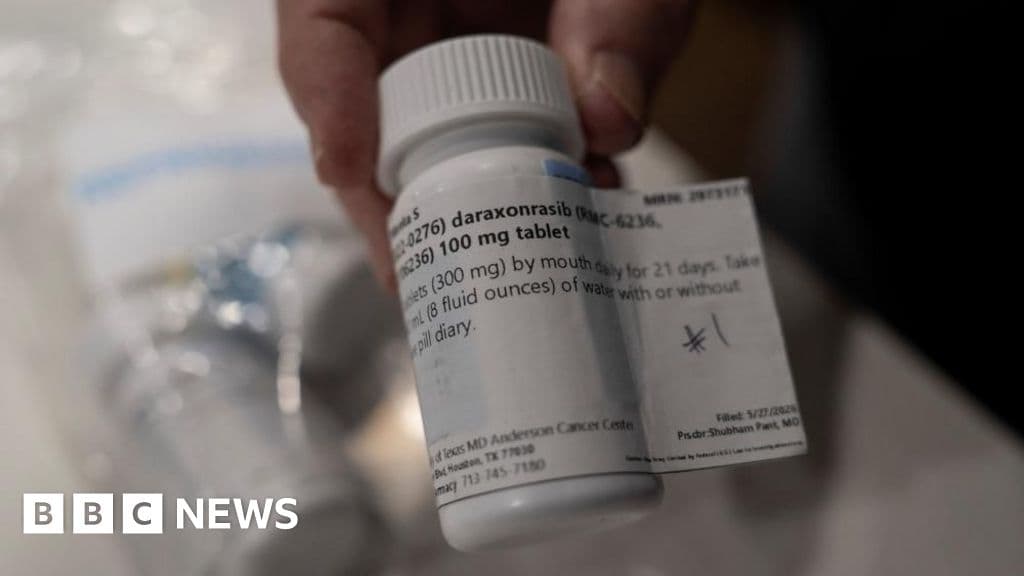
Discover how daraxonrasib, a new pill, is nearly doubling survival rates for pancreatic cancer patients, offering hope in a challenging battle against this deadly disease.
BBC Health
Waste companies propose a £5 deposit on vapes to encourage proper disposal and curb littering as the environmental impact of vapes increases.
BBC Business