
Image: BBC World
Hungary and Ukraine's oil pipeline dispute delays a critical €90bn EU loan, highlighting energy dependency and geopolitical tensions in Europe.
GlipzoThis disruption not only affects the energy supply of Hungary and Slovakia but highlights how the actions of a few nations can impede EU decision-making processes. Ukraine has stated that it requires an additional six weeks to repair the damaged infrastructure, while Hungary accuses Kyiv of deliberately delaying repairs as a form of retaliation for Hungary's pro-Russian stance.
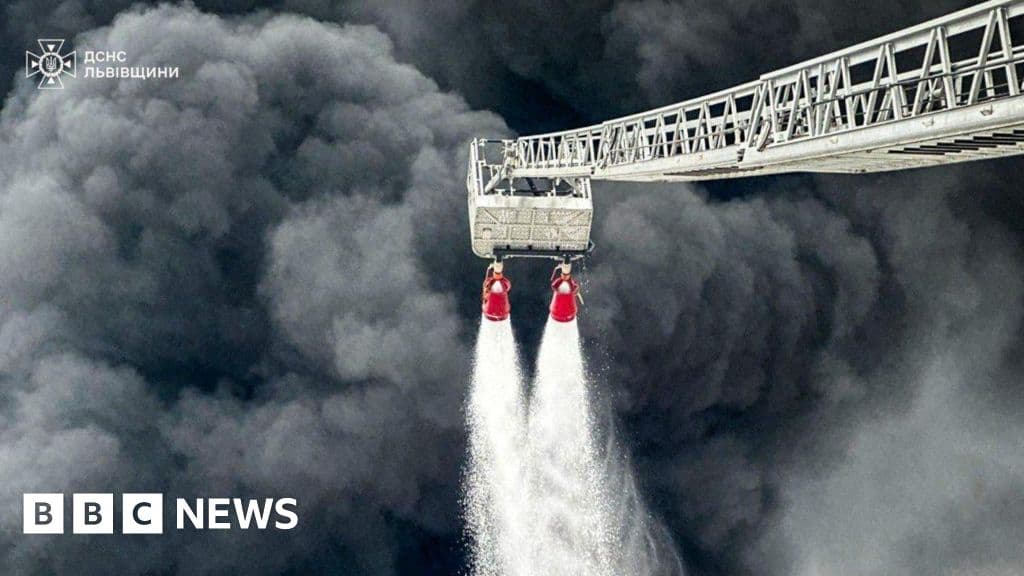
Reports suggest that the tank, the largest in Ukraine with a capacity of 75,000 cubic meters, was still smoldering days after the attack, indicating a prolonged fire that may have caused extensive damage. Henadiy Ryabtsev, a Ukrainian energy expert, emphasizes that the destruction likely extends beyond the oil tank, potentially affecting pumps and other systems vital for the operation of the pipeline.
“The oil was on fire for about a week,” Ryabtsev explained. “This means that everything around it was impacted by the extreme heat.” Moreover, the Ukrainian government asserts that it currently lacks the resources to expedite repairs, further complicating the situation. Heorhy Tykhy, a spokesperson for the Ukrainian Foreign Ministry, reiterated this, saying, “Our infrastructure is being damaged every day... We are in a full-scale war, which Hungary decides to ignore for some reason.”
However, President Volodymyr Zelensky has expressed hesitance regarding the restoration of the pipeline, stating, “I’ll be honest, I wouldn’t restore it... because it’s Russian oil.” His reluctance underscores the complicated geopolitical landscape in which Ukraine finds itself, balancing energy needs against a broader strategy of diminishing reliance on Russian resources.
He further noted that Hungary had previously accepted 35,000 tons of Ukrainian-origin crude oil through the Druzhba pipeline without complications, indicating that the pipeline itself may still be operational. Hernadi's comments raise questions about the motives behind Ukraine's delay in resuming oil flow.
The situation exemplifies how geopolitical conflicts can have immediate, tangible effects on energy supplies and broader economic stability within the region. As the stalemate continues, the focus will be on whether the EU can effectively mediate this conflict and provide the necessary support to ensure the flow of oil resumes, or if political motivations will further complicate the issue.
The outcome of this dispute will not only affect immediate energy needs but also shape the geopolitical landscape in Europe amid ongoing tensions with Russia. With elections approaching in Hungary, the political ramifications of this conflict could have lasting effects on EU unity and energy independence strategies.

Tensions soar as the US and Iran engage in air strikes near the Strait of Hormuz, raising concerns over global oil supply and regional stability.
BBC World
Trump's international interventions face serious stalemates. What will this mean for U.S. foreign policy? Explore the critical challenges ahead.
Indian Express
Tehran denies resignation of President Masoud Pezeshkian amid claims of IRGC influence. What does this mean for Iran's political stability? Click to learn more!
Indian Express