
Image: Indian Express
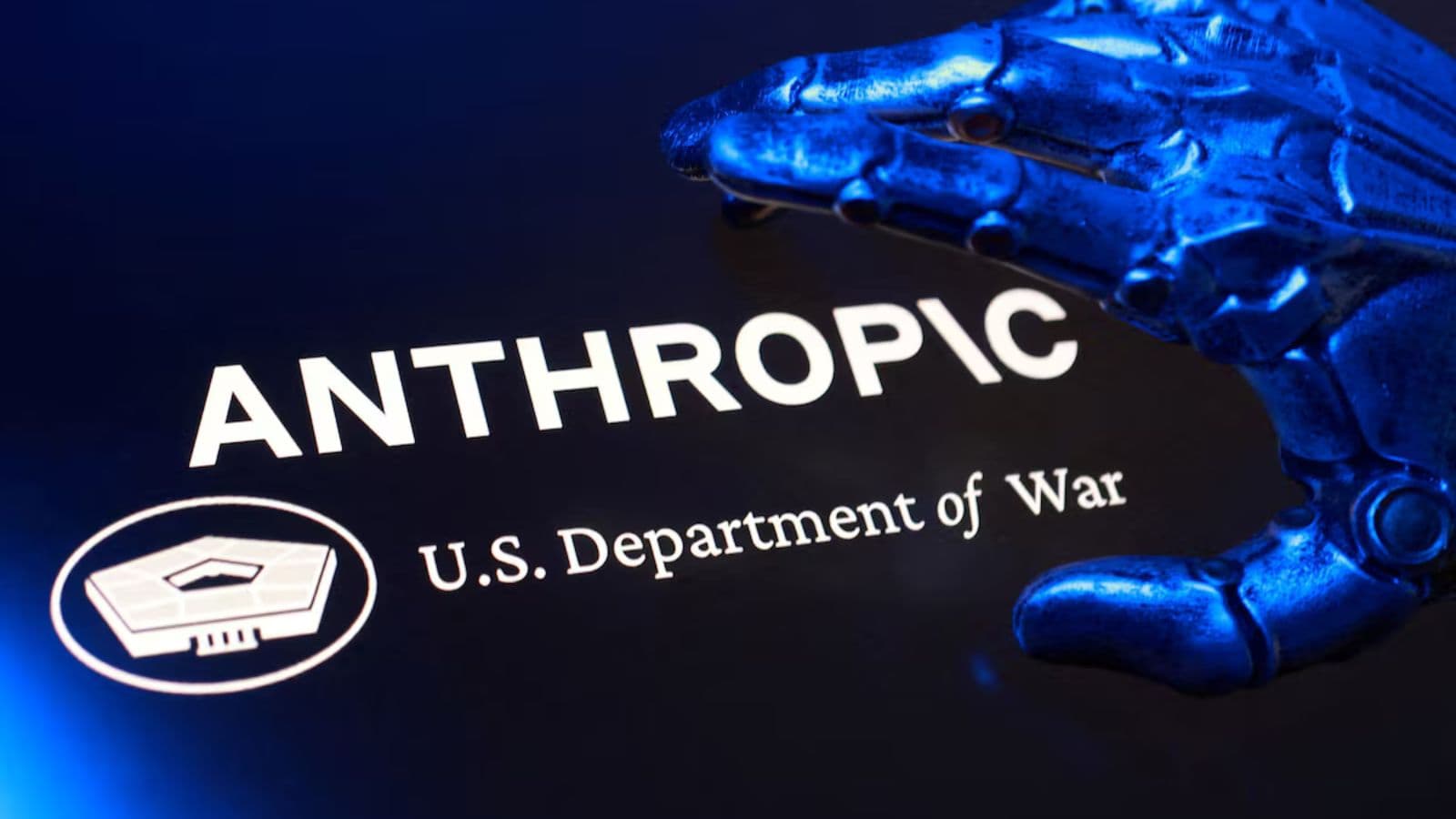
The NSA is using Anthropic's Mythos AI tool despite a Pentagon blacklist, raising concerns over cybersecurity vulnerabilities and ethical AI use.
GlipzoThe United States National Security Agency (NSA) is reportedly utilizing Anthropic’s Mythos Preview AI tool, even after the Pentagon imposed a formal supply-chain risk designation on the company. This revelation, shared by Axios on Sunday, has raised eyebrows given the ongoing scrutiny surrounding the use of AI technologies in national defense.
According to sources cited by Axios, the Mythos Preview model has been implemented to a broader extent within the NSA, despite the potential risks associated with its deployment. The Department of Defense (DoD), which oversees the NSA, has not yet issued a public comment on the matter, nor have representatives from Anthropic responded to inquiries made outside of business hours.
This situation becomes even more intriguing when considering the recent discussions between Anthropic's CEO and officials from the administration of former President Donald Trump. Their dialogue marks the first engagement since a dispute earlier in the year regarding the ethical use of Anthropic’s AI models, specifically concerning their application in sensitive areas like national security.
As artificial intelligence technology rapidly evolves, concerns have surged about its potential misuse. The Mythos model is particularly alarming due to its capability to perform advanced coding tasks and execute agentic operations autonomously. This dual functionality poses a significant risk, as expressed by cybersecurity experts who caution that advancements like these can lead to heightened vulnerabilities in cyber defenses.
Experts assert that Mythos’s sophisticated coding abilities grant it the unprecedented capability to:
The use of Anthropic’s Mythos by the NSA raises critical questions about the balance between leveraging advanced AI capabilities and maintaining national security. The Pentagon’s prior designation of supply-chain risk indicates a significant concern over the implications of using technology from companies that may not meet stringent security standards.
As AI becomes more integrated into the defense landscape, the debate around its governance grows. The potential for AI tools like Mythos to enhance both defensive and offensive cyber operations further complicates the ethical landscape. Experts argue that while AI can bolster cybersecurity measures, it can also empower adversaries with tools to execute more sophisticated attacks.
Moving forward, the relationship between the NSA and Anthropic will undoubtedly be closely monitored by both industry insiders and the public. As discussions continue regarding the ethical use of AI in military contexts, it remains to be seen how this situation will evolve.
The NSA’s decision to utilize Anthropic’s Mythos despite its previous designation as a risk highlights the complexities of integrating advanced AI into national security operations. As the discussion around ethical AI usage intensifies, stakeholders must navigate these challenges carefully to ensure that technological advancements do not compromise safety and security.
In summary, the juxtaposition of leveraging cutting-edge AI tools while adhering to strict security protocols will define the future of national defense strategies. The outcome of these developments will be crucial in shaping the landscape of cybersecurity and AI governance in the years to come.

Tensions soar as the US and Iran engage in air strikes near the Strait of Hormuz, raising concerns over global oil supply and regional stability.
BBC World
Trump's international interventions face serious stalemates. What will this mean for U.S. foreign policy? Explore the critical challenges ahead.
Indian Express
Tehran denies resignation of President Masoud Pezeshkian amid claims of IRGC influence. What does this mean for Iran's political stability? Click to learn more!
Indian Express