
Image: Indian Express
Stay updated with key UPSC current affairs from April 13-19, 2026. Explore language recognition, court rulings, and legislative changes shaping India.
GlipzoIn the world of competitive examinations, staying updated with current affairs is crucial, especially for aspirants of the UPSC and State PCS exams. The week of April 13 to April 19, 2026, was packed with significant developments that are essential for your examination preparation. From legislative changes to court rulings, here’s a comprehensive overview of the most important events from the past week.
On April 16, 2026, the Meghalaya cabinet made a momentous decision by declaring the Khasi and Garo languages as official languages of the state, alongside English. This decision is a response to a long-standing request for the recognition of these languages, which are spoken by the state’s two predominant tribes.
In a significant legal development, the Supreme Court of India has declined to extend the anticipatory bail previously granted to Pawan Khera, a prominent Congress leader, by the Telangana High Court. This decision is pivotal in light of the serious allegations made against him during a recent press conference, where he accused certain entities of financial and legal misconduct.
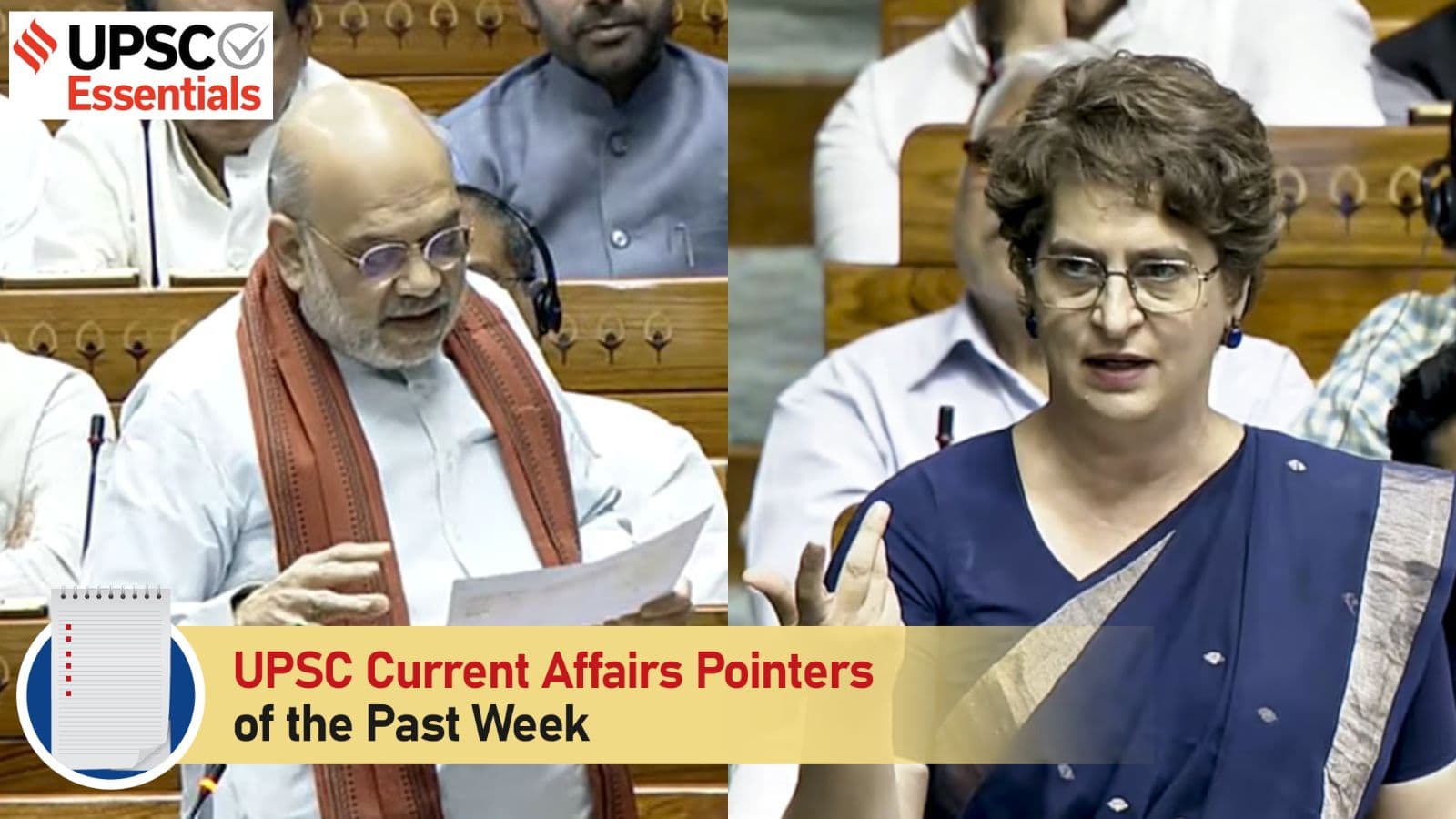
This week, the Lok Sabha engaged in discussions on three pivotal bills: the Constitution (131st Amendment) Bill, 2026, the Delimitation Bill, 2026, and the Union Territories Laws (Amendment) Bill, 2026. Notably, the 131st Amendment Bill aimed to increase the number of Lok Sabha seats from 543 to 850, with provisions for reserving one-third of these seats for women.
In a related development, Harivansh, the Deputy Chairman of the Rajya Sabha, is poised to be elected unopposed for a third consecutive term on April 17, 2026. This election follows a decision by the opposition parties to boycott the elections, further solidifying Harivansh's position.
Understanding these developments is crucial not only for UPSC aspirants but for anyone invested in the political landscape of India. The recognition of local languages, legal precedents regarding bail, and ongoing legislative efforts regarding women's representation all intertwine to shape the future of governance in the country.
As we look ahead, the following points warrant attention: - The potential impact of Meghalaya’s language policy on regional governance and identity. - The legal ramifications of the Supreme Court's decision regarding anticipatory bail and its implications for political leaders. - Future efforts to amend the women’s reservation bill and how political dynamics may shift as elections approach.
Staying informed about these developments will not only aid in preparation for exams but also enhance understanding of India’s evolving political narrative. Keep following the current affairs to ensure you’re well-prepared for your upcoming examinations and fully engaged with the societal issues at hand.
---

Tensions soar as the US and Iran engage in air strikes near the Strait of Hormuz, raising concerns over global oil supply and regional stability.
BBC World
Trump's international interventions face serious stalemates. What will this mean for U.S. foreign policy? Explore the critical challenges ahead.
Indian Express
Tehran denies resignation of President Masoud Pezeshkian amid claims of IRGC influence. What does this mean for Iran's political stability? Click to learn more!
Indian Express