
Image: BBC Health
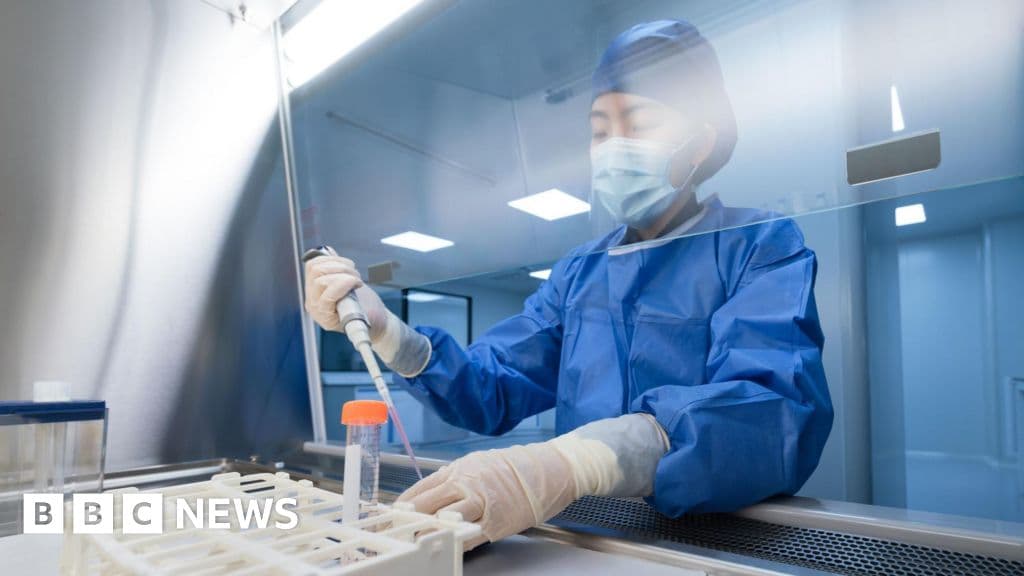
UK scientists are rapidly developing an Ebola vaccine in response to a major outbreak in the Democratic Republic of Congo. Click to learn more about this urgent effort.
GlipzoScientists at Oxford University are making significant strides in the fight against Ebola, with a novel vaccine poised for clinical trials in just two to three months. This urgent development comes in response to a serious outbreak in the Democratic Republic of Congo (DRC), where 750 suspected cases have been reported, resulting in 177 fatalities.
The outbreak is particularly concerning as it involves the Bundibugyo strain of Ebola, a rare variant for which no effective vaccine currently exists. This strain has a mortality rate of approximately 33%, highlighting the critical need for effective prevention strategies. Given the potential for the situation to escalate, researchers are prioritizing the swift development of a vaccine to help contain the virus and protect vulnerable populations.
The World Health Organization (WHO) has raised the risk level associated with the ongoing outbreak from "high" to "very high" within the DRC. It also indicated that while the risk remains low on an international scale, the situation warrants close monitoring. This escalation follows the WHO's declaration of a public health emergency of international concern last Sunday, clarifying that the outbreak does not constitute a pandemic at this stage.
In addition to the Oxford vaccine, another experimental Bundibugyo vaccine is under development. However, it is expected to take six to nine months before any doses are ready for testing. In contrast, the Oxford team is leveraging technology that has been adapted from their previous work on the COVID-19 vaccine, which allows for rapid modifications to address various pathogens.
The vaccine being engineered at Oxford utilizes the ChAdOx1 technology, designed to be highly flexible. This technology previously incorporated genetic material from the coronavirus, allowing it to stimulate an immune response without causing disease. For the Bundibugyo Ebola vaccine, researchers have modified a common cold virus that typically infects chimpanzees, rendering it safe for human use.
This innovative process involves using the engineered virus to introduce critical genetic information related to the Bundibugyo Ebola virus into human cells. The goal is to train the immune system to recognize and combat the virus effectively, without causing any symptoms or infections related to Ebola itself.
Despite the promising developments, there are no current animal data to confirm the vaccine’s effectiveness against Bundibugyo. As a representative from the WHO stated, "It is possible that doses of that could be available for clinical trial in two to three months, but there is a lot of uncertainty." The timeline for moving forward with human trials will largely depend on the outcomes of ongoing animal studies, which are currently underway in Oxford.
The Serum Institute of India is prepared to mass-produce the vaccine once the Oxford team can provide medical-grade materials. Prof. Lambe, the Calleva Head of Vaccine Immunology at the Oxford Vaccine Group, emphasized the importance of speed in this endeavor: "People are worried about this outbreak... we can't take our foot off the gas."
The current Ebola outbreak presents unique challenges due to its causative agent, the Bundibugyo strain. Of the six recognized species of the Ebola virus, only three are known to cause significant outbreaks in humans. Bundibugyo has a limited history, with only two previous outbreaks recorded—one in Uganda in 2007 and another in the DRC in 2012. Notably, it has not been observed for over a decade, which underscores the urgency of developing effective vaccination strategies for this rare strain.
While there is an established vaccine for the more prevalent Zaire species of Ebola, the absence of a proven vaccine for Bundibugyo complicates the public health response. Unlike the widespread vaccination effort seen during the COVID-19 pandemic, Ebola vaccines are typically utilized through a method known as ring vaccination. This approach targets only those at highest risk, including close contacts of confirmed cases and healthcare personnel treating infected individuals.
As researchers at Oxford race against time to finalize their vaccine, the global health community is watching closely. The potential availability of an effective vaccine could significantly alter the course of the outbreak and provide a vital tool for preventing future cases of Ebola.
In the coming months, several key developments will be crucial to monitor: - Results from animal trials: These will determine if the vaccine can be deemed a viable candidate for human testing. - Clinical trial timelines: Successful completion of the animal studies could expedite the start of human trials. - Global health response: Continued updates from the WHO and other health organizations will shape the international community’s response to the outbreak.
The urgency of the current situation cannot be overstated, and the work being done at Oxford University represents a beacon of hope in the fight against this deadly virus. As the world awaits the outcomes of these critical tests, the focus remains on prevention and preparedness to ensure that such outbreaks can be mitigated effectively in the future.

Shocking findings from Nottingham's maternity unit reveal a toxic culture and alarming neglect. What can be done to improve care? Discover the details.
BBC Health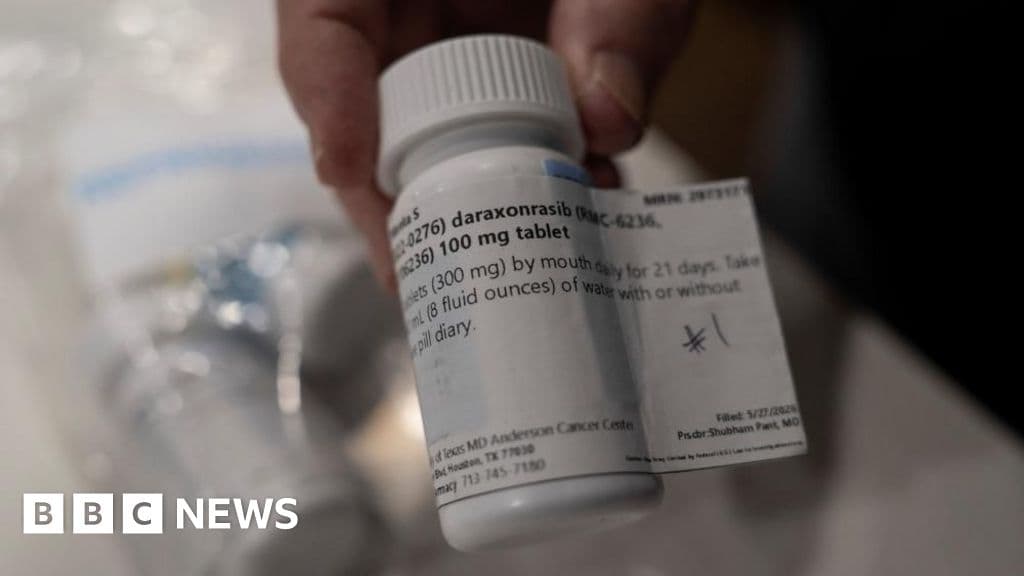
Discover how daraxonrasib, a new pill, is nearly doubling survival rates for pancreatic cancer patients, offering hope in a challenging battle against this deadly disease.
BBC Health
Waste companies propose a £5 deposit on vapes to encourage proper disposal and curb littering as the environmental impact of vapes increases.
BBC Business