
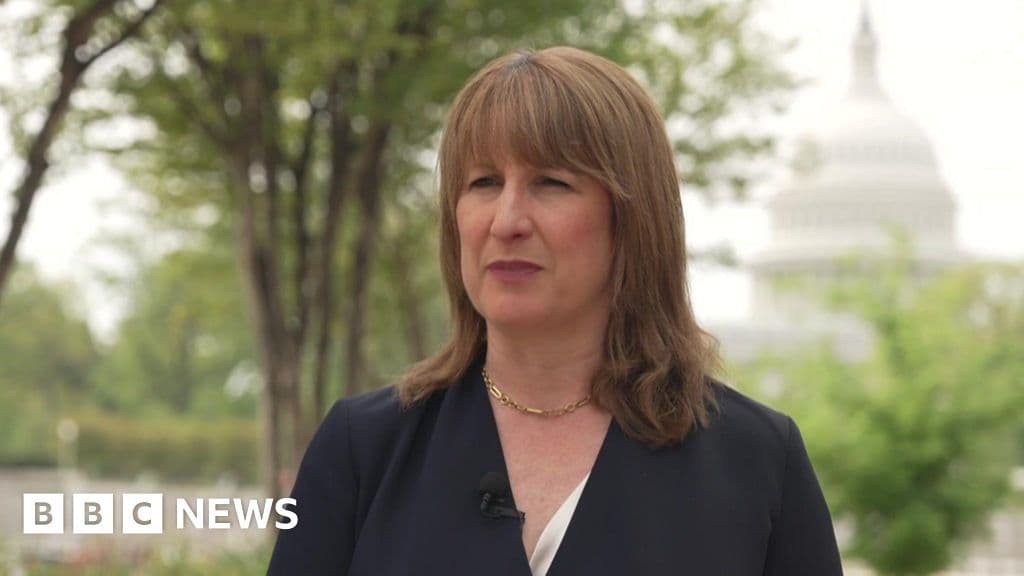
Image: BBC Business
Chancellor Rachel Reeves confirms UK fuel supply is stable despite global energy challenges. Learn more about upcoming energy policy changes and economic outlook.
GlipzoIn a reassuring statement to the public, UK Chancellor Rachel Reeves confirmed on Thursday that there are currently no immediate concerns regarding the availability of petrol, diesel, or jet fuel in the United Kingdom. This announcement was made following the conclusion of the International Monetary Fund (IMF) meeting in Washington, where key global economic issues were discussed.
Reeves emphasized to the BBC that the UK is experiencing "no issues with supply at the moment," alleviating fears that have emerged due to escalating global energy prices influenced by geopolitical tensions, particularly the ongoing conflict in the Middle East.
The comments from Chancellor Reeves coincide with IMF recommendations urging nations to actively manage energy demand. This may include encouraging public transport use or implementing work-from-home policies to mitigate the effects of rising energy costs. As countries grapple with fuel shortages, the IMF's suggestions reflect a growing urgency to adapt to the crisis.
Recent data revealed that the UK economy demonstrated stronger growth than anticipated in February, expanding by 0.5%. However, this data predates the intensification of the US-Israel conflict with Iran, which has significantly affected global energy prices. Such geopolitical events have resulted in many countries facing fuel shortages and prompted the implementation of measures aimed at reducing consumption.
In a stark warning, the International Energy Agency reported that Europe has only six weeks of jet fuel remaining before supplies could dwindle to critical levels, potentially leading to flight cancellations and disruptions. In light of this, Chancellor Reeves reassured the public, stating, "We are monitoring the situation very carefully," while expressing confidence in the UK’s current fuel supply.
Despite being a net exporter of petrol, the UK still imports various products, including wholesale oil and gas. The situation is particularly precarious due to the UK's dependency on gas prices, which often dictate electricity costs.
Chancellor Reeves pointed out the necessity of breaking the connection between gas and electricity prices. She remarked, “We do need to delink gas and electricity prices,” explaining that electricity costs should not be influenced by fluctuating gas prices, especially when the costs of producing electricity from renewable sources remain stable.
This call for reform comes as the government prepares to unveil adjustments to energy policy, including potential changes related to drilling activities in the North Sea. Reeves, alongside Energy Secretary Ed Miliband, indicated that details regarding these energy reforms would be revealed soon, particularly focusing on the extraction of oil and gas resources.
Reeves mentioned the exploration of tie-backs, a method allowing oil and gas from new discoveries to be transported through existing production platforms. This innovative approach minimizes the need for extensive new infrastructure, thus enabling quicker access to resources while maintaining efficiency.
As the UK navigates these complex energy challenges, Reeves remains optimistic, noting that the year has started robustly for the UK economy. The recent GDP revisions showed an upgrade in January growth from 0.1% to a stronger figure, highlighting resilience amid external pressures.
Despite the positive growth indicators, the IMF has revised its growth forecast for the UK downward from 1.3% to 0.8% for the year, warning that the country could be among the hardest hit advanced economies due to the ongoing conflict. This projection underscores the potential long-term effects of international tensions on domestic economic stability.
The assurance from Chancellor Reeves is crucial for UK consumers and businesses alike as they navigate a period of uncertainty marked by rising energy prices. The government's proactive stance on energy supply and policy adjustments may help mitigate the impacts of global disruptions while supporting economic stability.
Looking ahead, key developments to watch include: - Announcement of new energy policies by Chancellor Reeves and Energy Secretary Miliband. - Potential impacts of ongoing international conflicts on UK energy supplies and prices. - The effectiveness of proposed measures to decouple gas and electricity pricing. - The UK’s strategy for utilizing North Sea resources through innovative tie-back technology.
These elements will be pivotal in shaping the UK’s energy landscape and economic resilience in the months to come. As the situation evolves, continued vigilance and adaptability will be essential for navigating this complex global energy crisis.
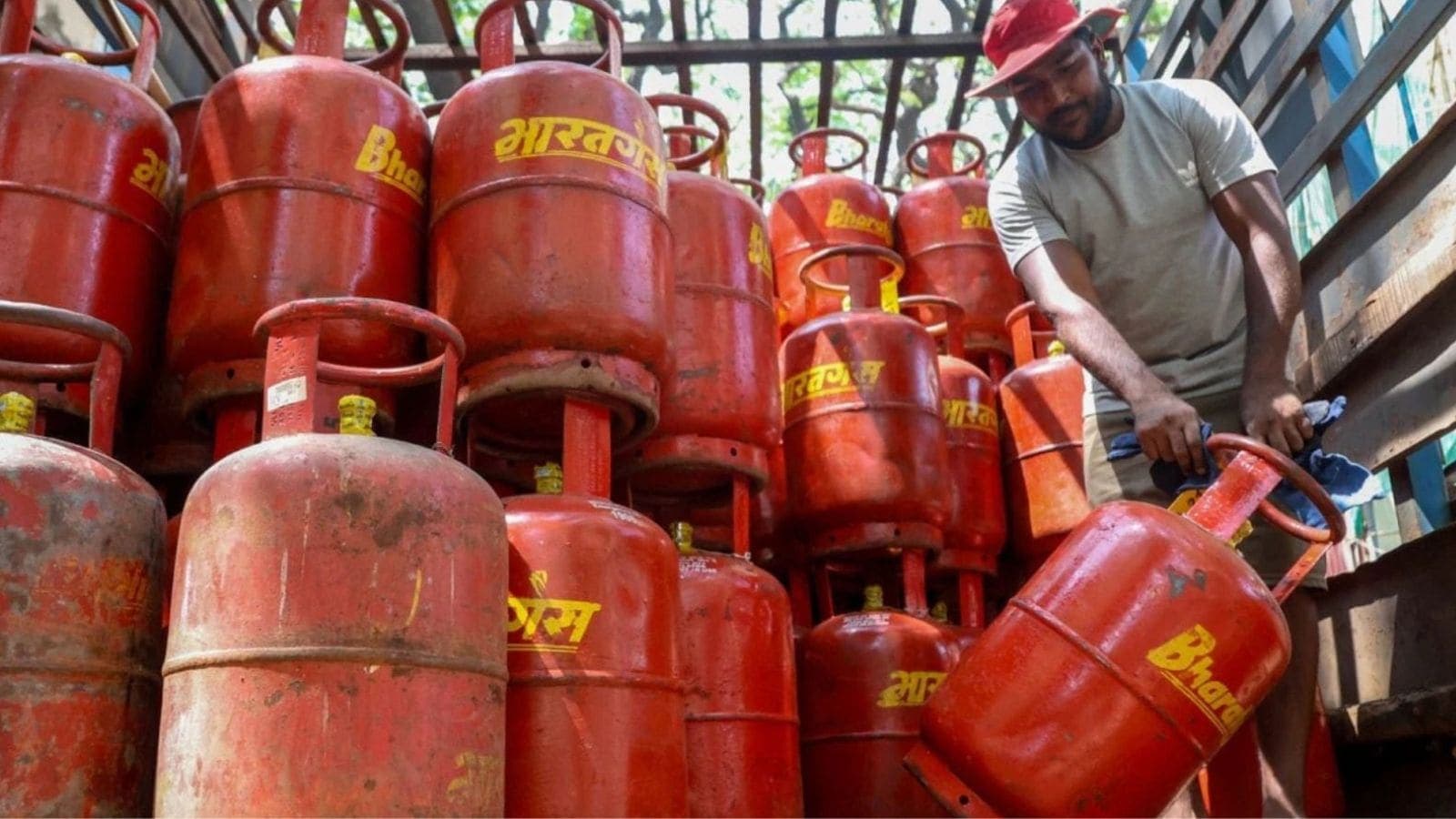
Commercial LPG prices have risen again, with increases of ₹42 in Delhi and ₹53.50 in Kolkata impacting businesses and consumers alike. Find out more.
Indian Express
Discover how a tragic coal mine explosion in Shanxi, China, reveals ongoing safety concerns in the industry amidst a push for green energy.
BBC Business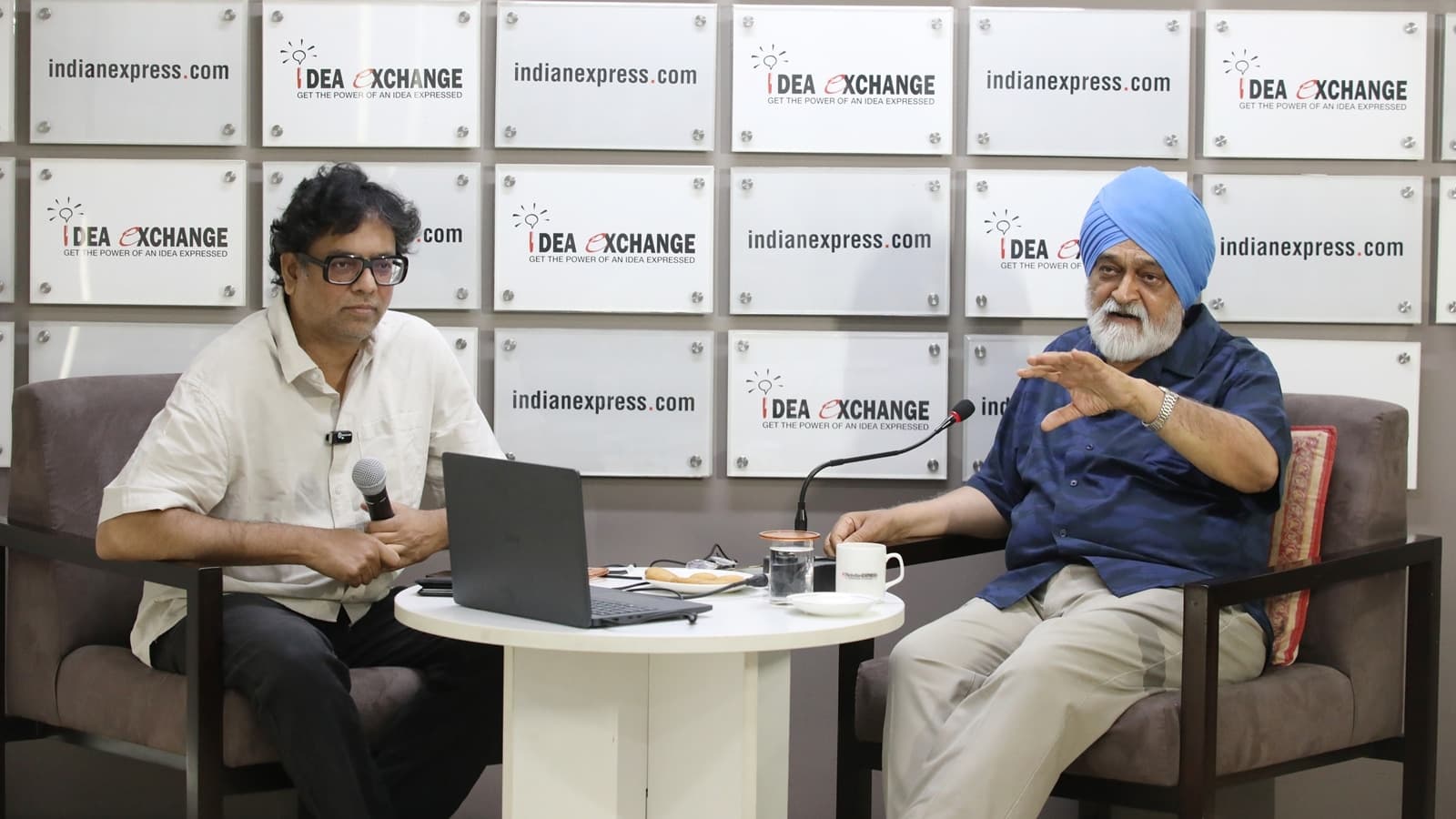
Montek Singh Ahluwalia highlights key economic challenges for India, emphasizing the need for a strategic approach to balance payments and investment.
Indian Express