
Image: BBC Business
UK food shortages loom as the Iran war disrupts supply chains. Is your pantry ready for price hikes and limited availability? Find out more.
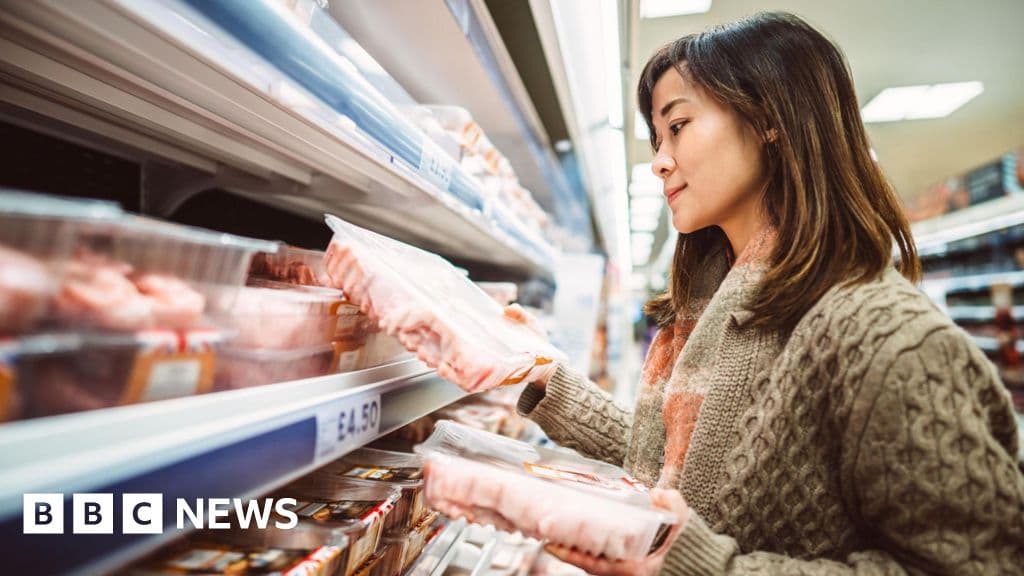
GlipzoAs the conflict in Iran escalates, officials in the United Kingdom are preparing for a troubling scenario: potential food shortages by summer if hostilities continue. Government sources have indicated that the situation could worsen if the Strait of Hormuz remains closed, impacting vital supply chains for essential food items like chicken and pork.
The Department for Environment, Food & Rural Affairs (DEFRA) is closely monitoring the situation and collaborating with industry stakeholders to mitigate the war's impact on food supplies. A spokesperson emphasized that scenarios being prepared are merely planning tools, not forecasts of impending crises. “Reasonable worst-case scenarios are a planning tool used by experts and are not a prediction of future events,” the spokesperson said, aiming to reassure the public amid rising fears.
The ongoing conflict, exacerbated by military actions from the United States and Israel against Iran, has led to Iranian authorities effectively closing the Strait of Hormuz. This key waterway is crucial for the transport of oil and gas, resulting in skyrocketing prices for petrol, diesel, and fertilizer across the UK.
Business Secretary Peter Kyle addressed the public's concerns, stating that CO2 shortages are not an immediate worry. “Right now, people should go on as they are,” he told Sky News. However, leaders in the food sector are voicing their concerns about potential price surges rather than outright shortages. Tesco's chief executive Ken Murphy noted that suppliers have yet to signal any risks to supply, stating, “We are in very good shape.”
While the immediate outlook does not indicate panic, the British Retail Consortium, which represents major retailers like Sainsbury's and Pret, is urging the government to enhance contingency planning. They acknowledge the experience retailers possess in navigating supply chain disruptions, yet the ongoing conflict in the Middle East is placing additional inflationary pressures on an already stressed market.
Key points from industry leaders include: - Food inflation projected to hit 9% by December, according to the Food and Drink Federation. - Concerns over rising fertilizer costs from the Agricultural Industries Confederation (AIC), which could disrupt planting decisions for autumn crops. - Rising prices for cucumbers and tomatoes anticipated in the coming weeks, as noted by the National Farmers' Union.
In response to the crisis, the UK government has taken proactive measures, including the temporary restart of the Ensus bioethanol plant, which produces CO2, renewable fuel, and animal feed. This facility had been mothballed since September 2025 but is now viewed as critical to ensuring the UK can meet its CO2 needs, especially as most CO2 is imported from Europe and produced during fertilizer manufacturing.
Lord Toby Harris, who heads the National Preparedness Commission, advocates for rigorous testing and management strategies to enhance the UK’s readiness for various potential crises. “The more that we test how we manage under various sorts of scenarios, the better that's going to be,” he stated on BBC Radio 4.
The situation is not merely a local concern; the International Monetary Fund (IMF) has warned that the ongoing war could threaten to plunge the global economy into recession, with the UK being particularly vulnerable among advanced economies.
In the political arena, U.S. President Donald Trump has suggested that discussions aimed at negotiating peace with Iran could resume soon, which may provide some hope for alleviating the tensions affecting global markets.
Understanding these potential food shortages is critical for UK residents as they could lead to higher prices and limited availability of essential goods. The interplay between global conflicts and local economies highlights the fragility of supply chains and the importance of proactive measures. As the situation develops, consumers and businesses alike should stay informed about government actions and market trends.
Looking forward, residents should be aware of the following: - Monitor ongoing government updates regarding food supply and inflation. - Keep an eye on international negotiations that could affect the conflict in Iran and the Strait of Hormuz. - Stay informed about rising prices in supermarkets and market predictions from industry leaders.
As this situation unfolds, the UK must navigate these challenges carefully to ensure food security and economic stability, making it crucial for consumers to remain vigilant and prepared.
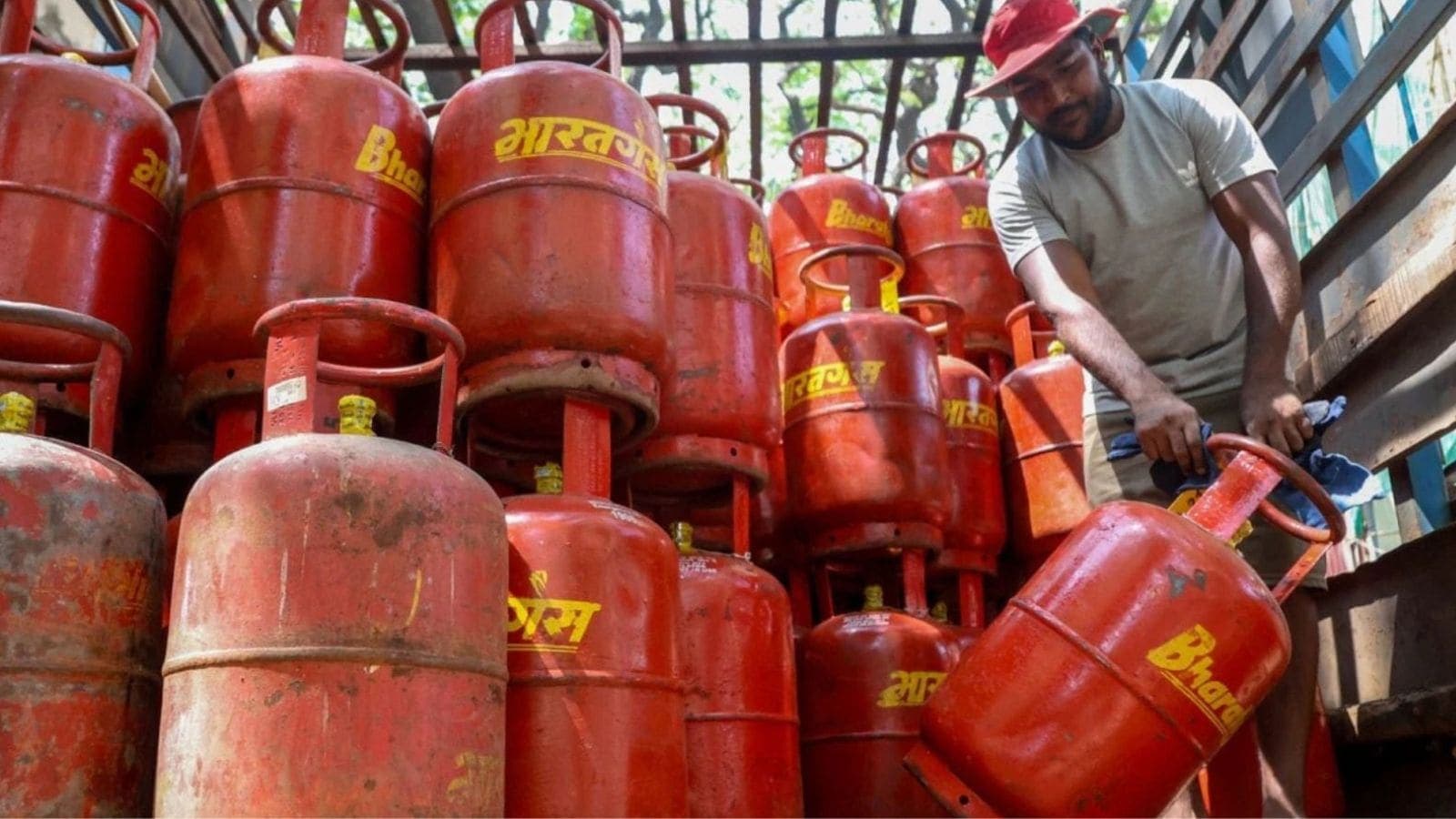
Commercial LPG prices have risen again, with increases of ₹42 in Delhi and ₹53.50 in Kolkata impacting businesses and consumers alike. Find out more.
Indian Express
Discover how a tragic coal mine explosion in Shanxi, China, reveals ongoing safety concerns in the industry amidst a push for green energy.
BBC Business
Montek Singh Ahluwalia highlights key economic challenges for India, emphasizing the need for a strategic approach to balance payments and investment.
Indian Express