
Image: BBC Business
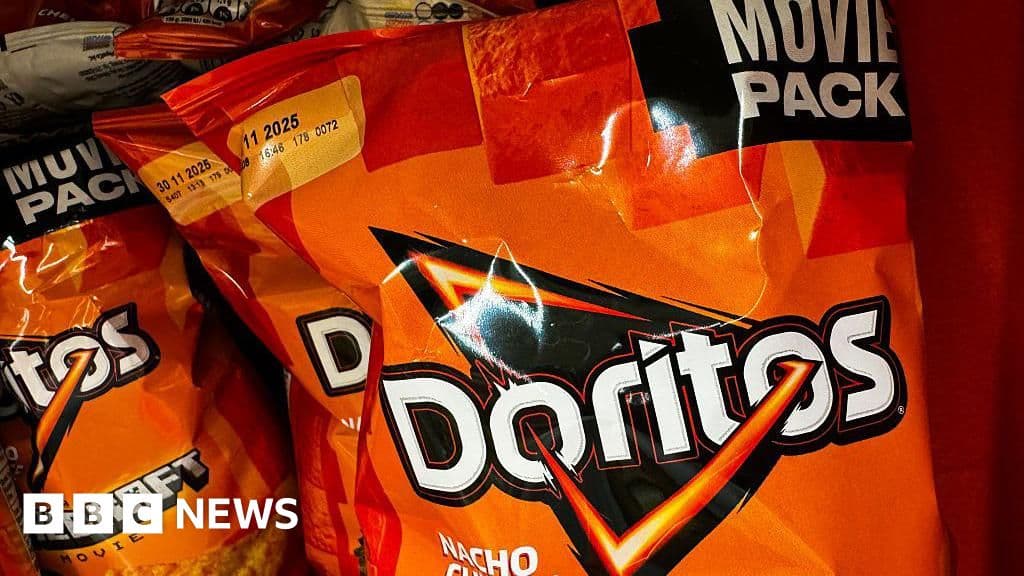
PepsiCo's recent price cuts on Doritos and Lays have revived sales, demonstrating their commitment to affordability amidst changing consumer habits.
GlipzoIn a strategic move to regain the loyalty of snack enthusiasts, PepsiCo has successfully reduced prices on its popular snacks, including Doritos and Lays crisps. After facing backlash over rising prices, the food and beverage giant reported an impressive 8.5% increase in sales during the first quarter of the year, totaling $19.4 billion (£14.4 billion). This surge in revenue showcases the effectiveness of their recent pricing strategies, which were implemented just ahead of the Super Bowl—one of the most lucrative events for snack sales.
PepsiCo’s CEO Ramon Laguarta attributed the company’s improved performance to their “affordability initiatives,” which included price cuts of up to 15% on various products, such as Tostitos and Cheetos. These reductions were crucial for the firm, especially after it faced challenges in 2022 when customers expressed frustration over escalated prices due to rising operational costs. By strategically timing these cuts for the Super Bowl on February 8, PepsiCo aimed to align with consumer demand during a peak snacking occasion.
Alongside the surge in sales, PepsiCo reported a notable rise in operating profit, which increased by 25% to $3.2 billion. The company's shares reflected this positive trend, rising by 2% in early trading following the announcement. This financial boost is particularly significant as PepsiCo faces stiff competition from changing consumer preferences, notably the growing popularity of appetite-suppressing weight-loss medications. These medications have altered eating habits and portion sizes, prompting PepsiCo to adapt its product offerings.
To address these shifts, Laguarta has emphasized a dual strategy focusing on affordability while also promoting portion control. With over 70% of PepsiCo’s food products in the U.S. being single-serve, the company is responding to consumer demand for smaller portions that align with new eating behaviors. This change is imperative as many consumers have reported reduced food spending after starting weight-loss treatments, making it essential for brands to adapt accordingly.
According to Danni Hewson, head of financial analysis at investment platform AJ Bell, PepsiCo has made commendable efforts to regain customer trust after previous price increases. She noted that affordability has become increasingly vital for U.S. consumers, who are feeling financial pressure from various sources. Branded snacks, while popular, can easily be replaced in shoppers' baskets if they become too expensive.
Hewson pointed out that while PepsiCo is making strides to lower costs, there is still significant work to be done to ensure that consumers feel they are getting value for their money. The emphasis on affordability is not just a short-term strategy; it is essential for sustaining customer loyalty in a competitive market.
As PepsiCo sets its sights on future opportunities, it is also banking on its sponsorship of the upcoming World Cup this summer, which will be hosted across the U.S., Mexico, and Canada. The company plans to launch engaging promotions, such as “fan of the match” initiatives for its Lays brand during the tournament, aiming to capitalize on the excitement and increased consumer engagement surrounding the event.
This strategic alignment with major sporting events not only enhances brand visibility but also provides a platform for promotional activities that can attract more consumers. The World Cup presents a unique opportunity for PepsiCo to showcase its products and connect with fans in a celebratory environment.
As PepsiCo continues to navigate the evolving landscape of consumer preferences and economic pressures, it remains crucial for the company to maintain a balance between price, quality, and consumer engagement. Looking forward, stakeholders will be keenly watching how PepsiCo's pricing strategies and promotional activities unfold, as well as their impact on overall market share and customer loyalty.
In conclusion, PepsiCo’s recent price cuts and strategic initiatives are significant steps toward regaining market ground and adapting to changing consumer dynamics. As the company prepares for major promotional events, the focus on affordability and portion control will be critical for its sustained success in the snack industry.
What happens next for PepsiCo will depend on their ability to continue innovating and responding to the ever-evolving demands of consumers. Expect to see more adaptive strategies that prioritize both affordability and customer connection in the coming months.
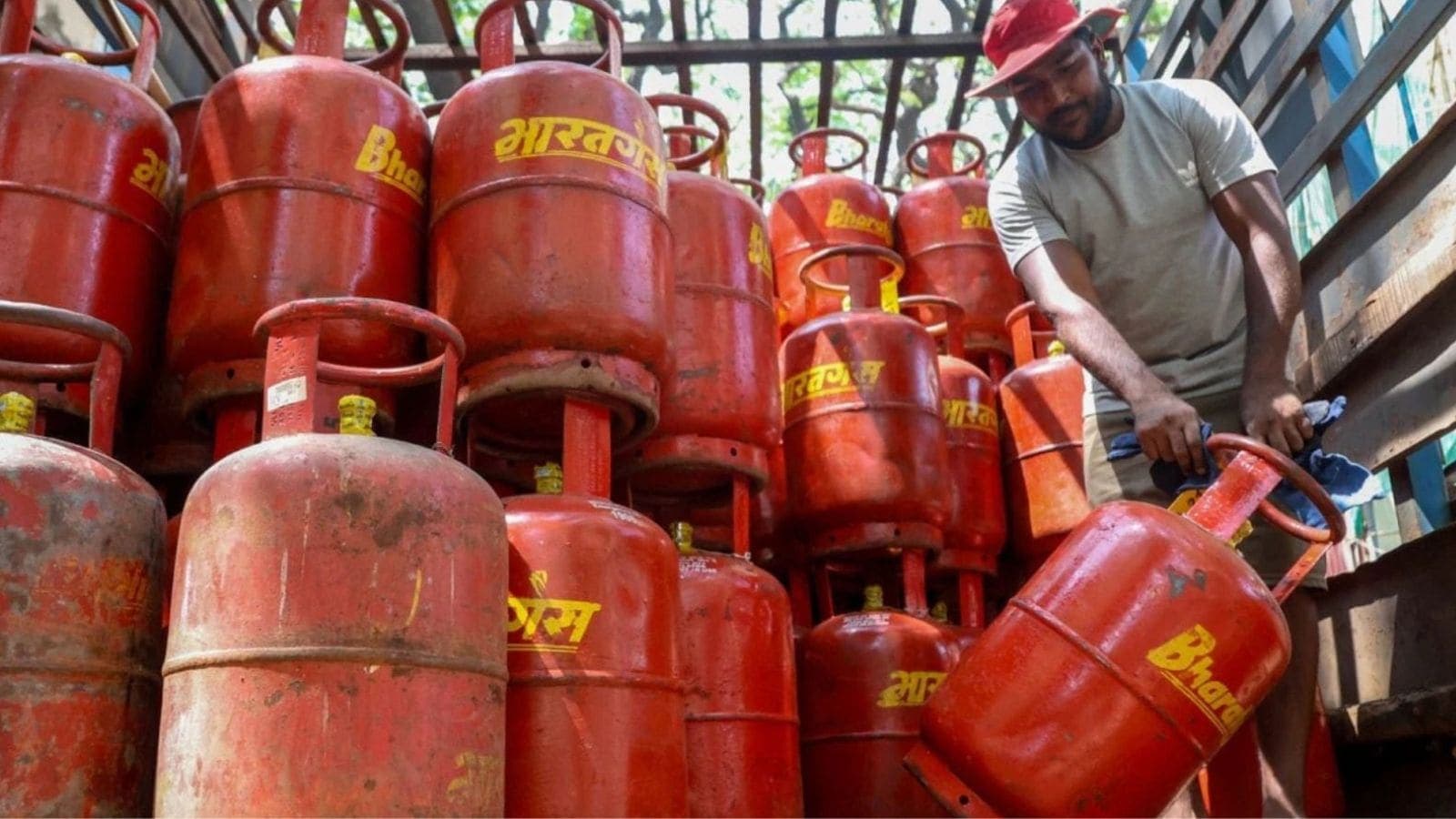
Commercial LPG prices have risen again, with increases of ₹42 in Delhi and ₹53.50 in Kolkata impacting businesses and consumers alike. Find out more.
Indian Express
Discover how a tragic coal mine explosion in Shanxi, China, reveals ongoing safety concerns in the industry amidst a push for green energy.
BBC Business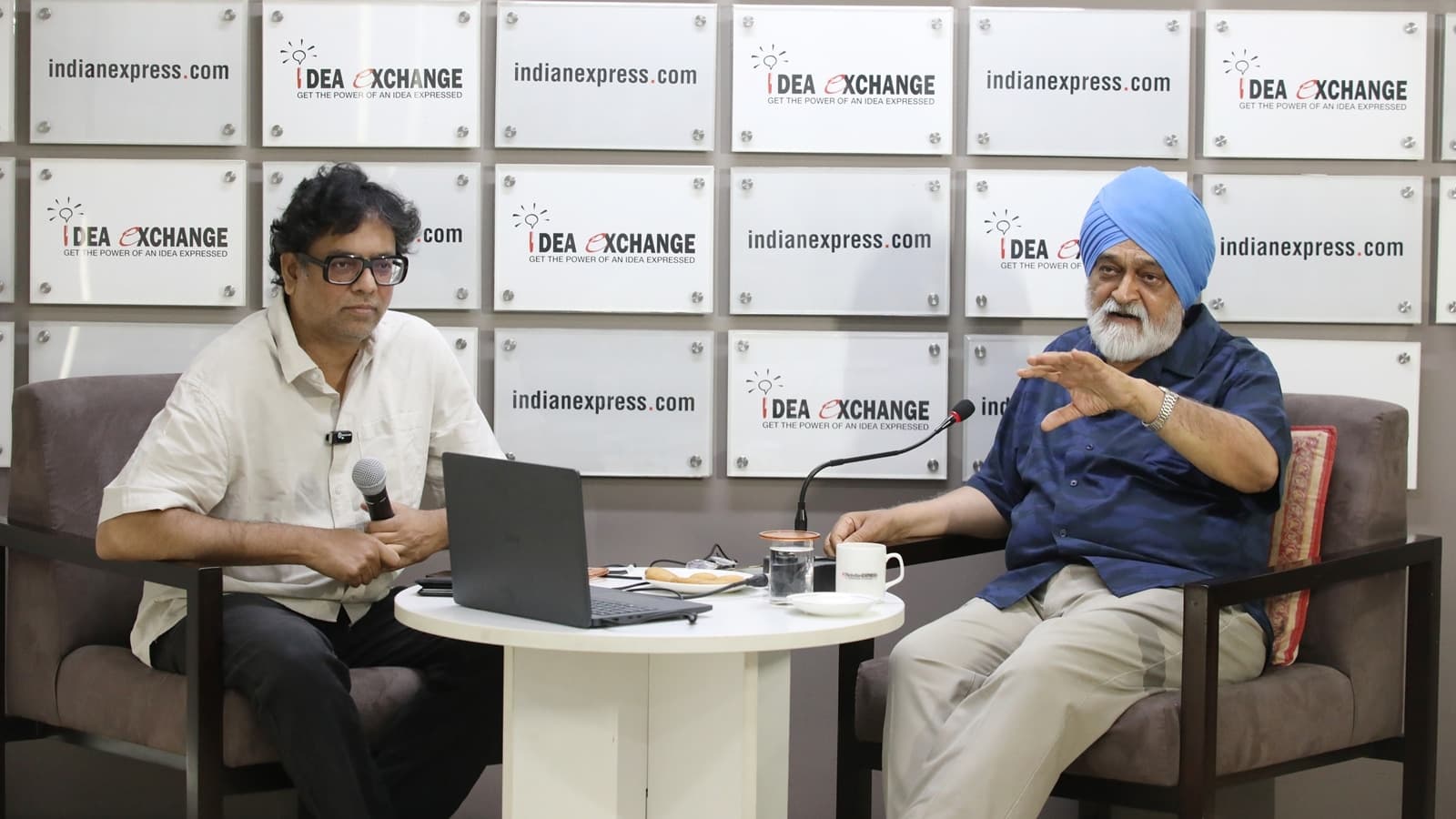
Montek Singh Ahluwalia highlights key economic challenges for India, emphasizing the need for a strategic approach to balance payments and investment.
Indian Express