
Image: BBC Science
Explore the critical debate on whether affordable energy should take precedence over clean energy in the UK's net-zero goals. What does this mean for consumers?
GlipzoIn recent years, the transition to renewable energy has taken center stage as countries aim for net-zero emissions. However, for many homeowners, this shift has come with unexpected challenges. One vivid example is Gavin Tait, a 69-year-old retiree from Glasgow, who is disillusioned with his investment in renewable technology. After purchasing solar panels, a home battery, and a heat pump, Gavin initially saw reduced energy bills. But as energy prices surged, he was forced to revert to his traditional gas boiler. "It seemed like a no-brainer," Gavin said about his decision to go green, but now he finds himself paying over 27p per kilowatt-hour for electricity compared to just 6p for gas.
This scenario is not isolated. A survey conducted by Censuswide for Ecotricity found that two-thirds of 1,000 heat pump owners reported increased heating costs. The implications of these findings raise critical questions about the UK's energy policies. As heating and transport contribute to more than 40% of the UK's emissions, critics argue that the government is fixated on cleaning up electricity generation, which accounts for a mere 10% of emissions.
As Gavin’s experience illustrates, the economic viability of heat pumps and electric vehicles is under scrutiny. With rising energy prices, many households are reconsidering their commitment to cleaner technology. The situation has intensified due to recent conflicts in the Middle East, which have driven up oil and gas prices, raising concerns of persistent high energy costs for consumers.
The UK government maintains that a commitment to renewables is essential for long-term energy security, aiming to reduce dependence on imported gas and lower emissions. However, the question remains: Is this approach the right one? Critics argue that focusing on renewable electricity while neglecting heating and transport is misaligned with the urgent need for comprehensive energy reform.
The transition to renewable energy is not just about generating electricity; it encompasses a complex system that requires constant availability. According to Sir Dieter Helm, an expert in economic policy at Oxford University, the cost of renewables cannot be viewed in isolation. While generating renewable electricity may appear cheap, the necessary infrastructure to support it is far more expensive.
For instance, the UK's peak electricity demand is around 45 gigawatts (GW), and historically, this was met with approximately 60GW of capacity from fossil fuels. With the increasing reliance on renewable sources, estimates suggest that the UK will need closer to 120GW of capacity to meet demand consistently. This transition necessitates not only more generation capability but also extensive grid expansions to transmit electricity from offshore wind farms to urban centers.
As the renewable sector expands, the associated costs are beginning to surface in utility bills. Network charges are rising due to the need for new pylons and power lines, and additional costs related to balancing the grid are also becoming apparent.
In summary, while renewable energy has the potential to dramatically reduce emissions, the economic implications cannot be overlooked. The complexities of the energy system, including the need for backup generation and enhanced infrastructure, mean that the transition may lead to higher costs for consumers in the short term.
The ongoing debate about renewable energy costs is crucial for understanding the future of energy policy in the UK and beyond. As more households like Gavin's face escalating energy bills, the need for a balanced approach between affordability and sustainability becomes increasingly evident. Policymakers will need to consider ways to make transitioning to cleaner technologies economically viable for consumers while ensuring that the overarching goal of reducing emissions is met.
Moving forward, it will be essential to keep a close watch on several key developments: - Government Policies: Will the government recalibrate its focus to include heating and transport alongside electricity generation? - Technological Innovations: Can advancements in energy storage and grid management help reduce costs? - Public Sentiment: How will rising energy prices influence public support for renewable initiatives? - Global Energy Markets: As geopolitical tensions impact energy prices, how will this affect the UK's energy strategy?
Ultimately, the balance between cheap and clean energy will play a pivotal role in the UK's journey towards a sustainable future, and the decisions made today will shape the landscape for generations to come.
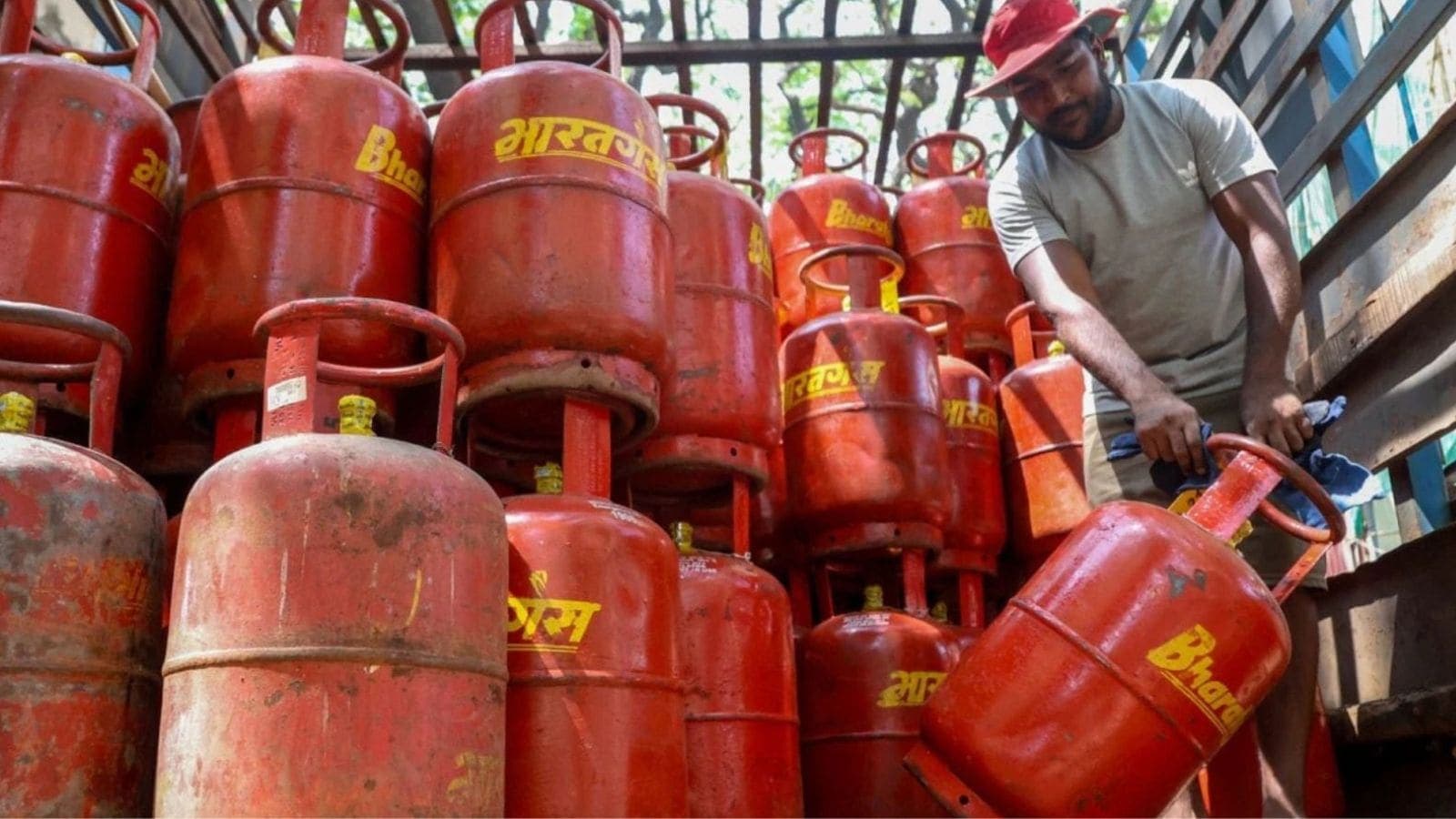
Commercial LPG prices have risen again, with increases of ₹42 in Delhi and ₹53.50 in Kolkata impacting businesses and consumers alike. Find out more.
Indian Express
Discover how a tragic coal mine explosion in Shanxi, China, reveals ongoing safety concerns in the industry amidst a push for green energy.
BBC Business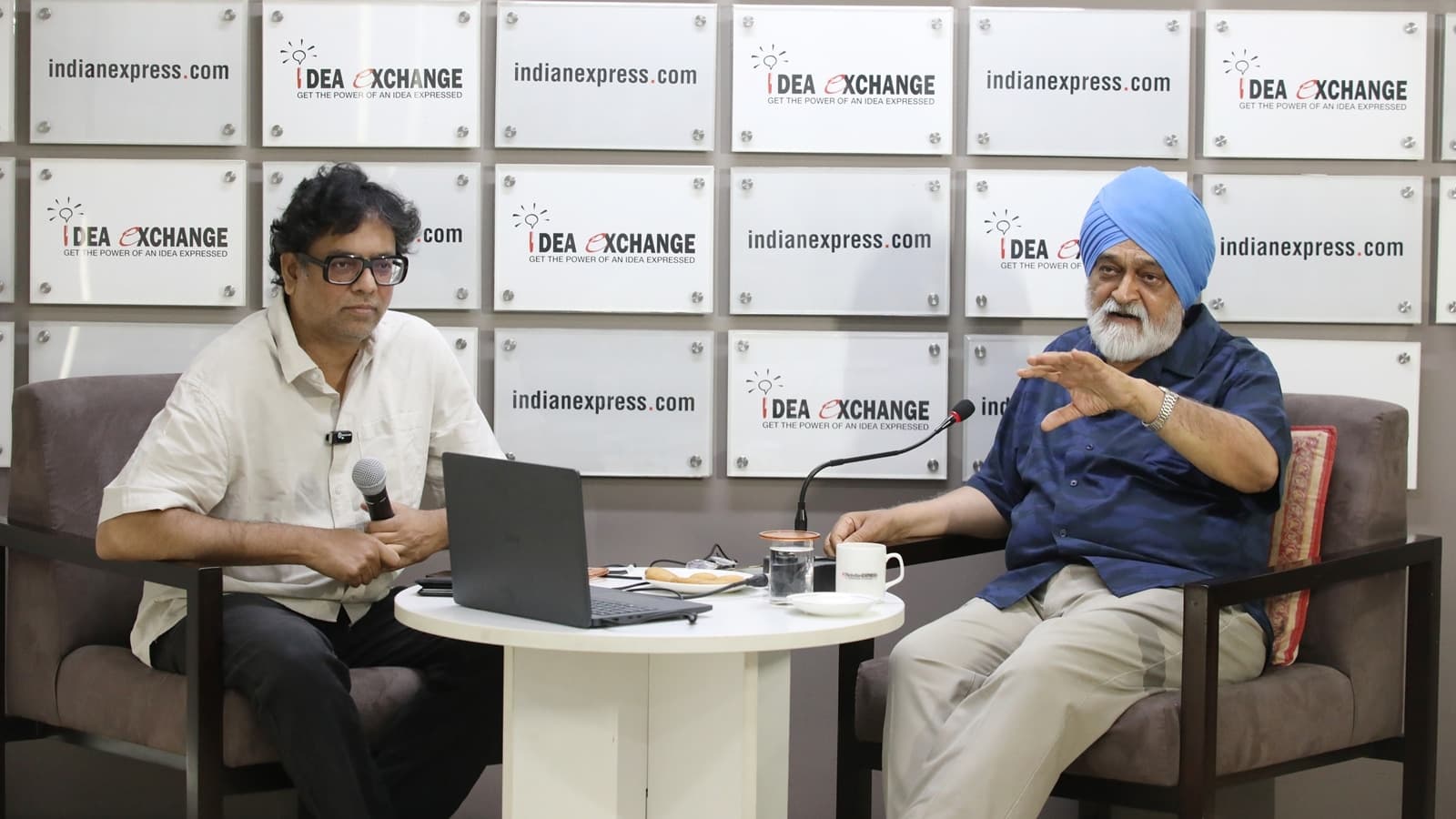
Montek Singh Ahluwalia highlights key economic challenges for India, emphasizing the need for a strategic approach to balance payments and investment.
Indian Express