

Image: BBC Business
UK economy unexpectedly grew by 0.5% in February, raising concerns about future stability amid escalating global tensions. What does this mean for growth?
GlipzoIn a surprising turn of events, the UK economy exhibited its most significant monthly growth in over two years, recording a 0.5% rise in February, according to the Office for National Statistics (ONS). This figure surpassed expectations, as many economists had anticipated a mere 0.1% increase. Additionally, the ONS revised its estimate for January, indicating a slight growth of 0.1%, when earlier reports suggested no growth at all.
This remarkable growth occurred prior to the escalation of the US-Israeli conflict with Iran on February 28, which has since triggered a substantial energy crisis. Experts caution that if this conflict continues, the ramifications could lead to a global recession. The International Monetary Fund (IMF) has since lowered its growth forecast for the UK, now projecting a 0.8% growth for the year, down from 1.3% predicted earlier, attributing this downgrade primarily to the war's impact on the economy.
The IMF's revised outlook reflects concerns over prolonged higher energy prices and the reduced likelihood of interest rate cuts, which were previously anticipated as a means to support economic stability. Sanjay Raja, an economist at Deutsche Bank, noted that while the February growth figures were impressive, they might not sustain momentum in the face of looming challenges.
The ONS reported that the services sector, which constitutes more than 75% of the UK economy, contributed significantly to the growth, also increasing by 0.5% in February. This sector encompasses a range of industries, including travel, retail, hospitality, finance, and entertainment. In addition, production output saw a similar growth rate of 0.5%, while construction activities performed even better, climbing by 1.0%.
For the more stable three-month period leading up to February, the GDP also recorded a 0.5% growth, an improvement from 0.3% in the preceding months. The National Institute of Economic and Social Research (NIESR) acknowledged this growth as significant but expressed caution regarding future performance. According to Fergus Jimenez-England, an associate economist at NIESR, the sharp rise in energy prices resulting from the conflict is likely to dampen this newfound momentum.
Since the outbreak of the war, UK drivers have experienced a rapid increase in fuel prices. Petrol and diesel costs have soared, putting additional financial strain on households. Those relying on heating oil are also facing steep price hikes. However, consumers may find some relief, as the Ofgem energy price cap will shield households from escalating energy costs until July.
The economic ramifications of the ongoing conflict may exacerbate inflation levels, which were previously expected to decrease to the Bank of England's target of 2% by spring. A resurgence in inflation could prompt shifts in interest rate policies. While rates were anticipated to decline prior to the war, speculation has now shifted towards maintaining or even increasing rates this year.
The uncertainty surrounding inflation and interest rates has already started affecting the mortgage market. Lenders have withdrawn numerous deals, resulting in average mortgage rates reaching heights not seen since last spring and summer. Dame DeAnne Julius, a former member of the Bank of England's Monetary Policy Committee, commented on the stagnant nature of the economy, indicating that while February's growth is a positive sign, it does not alter the broader economic picture. She emphasized the need for the committee to prioritize inflation control over short-term growth.
Ruth Gregory, an economist from Capital Economics, expressed that the impressive growth observed in February might already be negatively impacted by the ongoing conflict. Nevertheless, she noted that sectors particularly sensitive to rising energy costs, such as mining, transport, and retail, performed relatively well despite the challenges.
James Murray, the Chief Secretary to the Treasury, underscored the importance of maintaining a stable economic foundation, stating, "Growth only occurs when the economy is on solid ground." His remarks highlight the necessity of prudent economic management, especially in the wake of changing global dynamics.
Looking ahead, the UK's economic landscape remains precarious. With the ongoing conflict and rising energy prices, the prospects for sustained growth appear uncertain. Analysts will be closely monitoring inflation trends, interest rate decisions, and global market reactions to gauge how these factors will influence the UK's trajectory in the coming months. As the situation evolves, the focus will remain on policy responses and their potential to stabilize the economy amid external pressures.
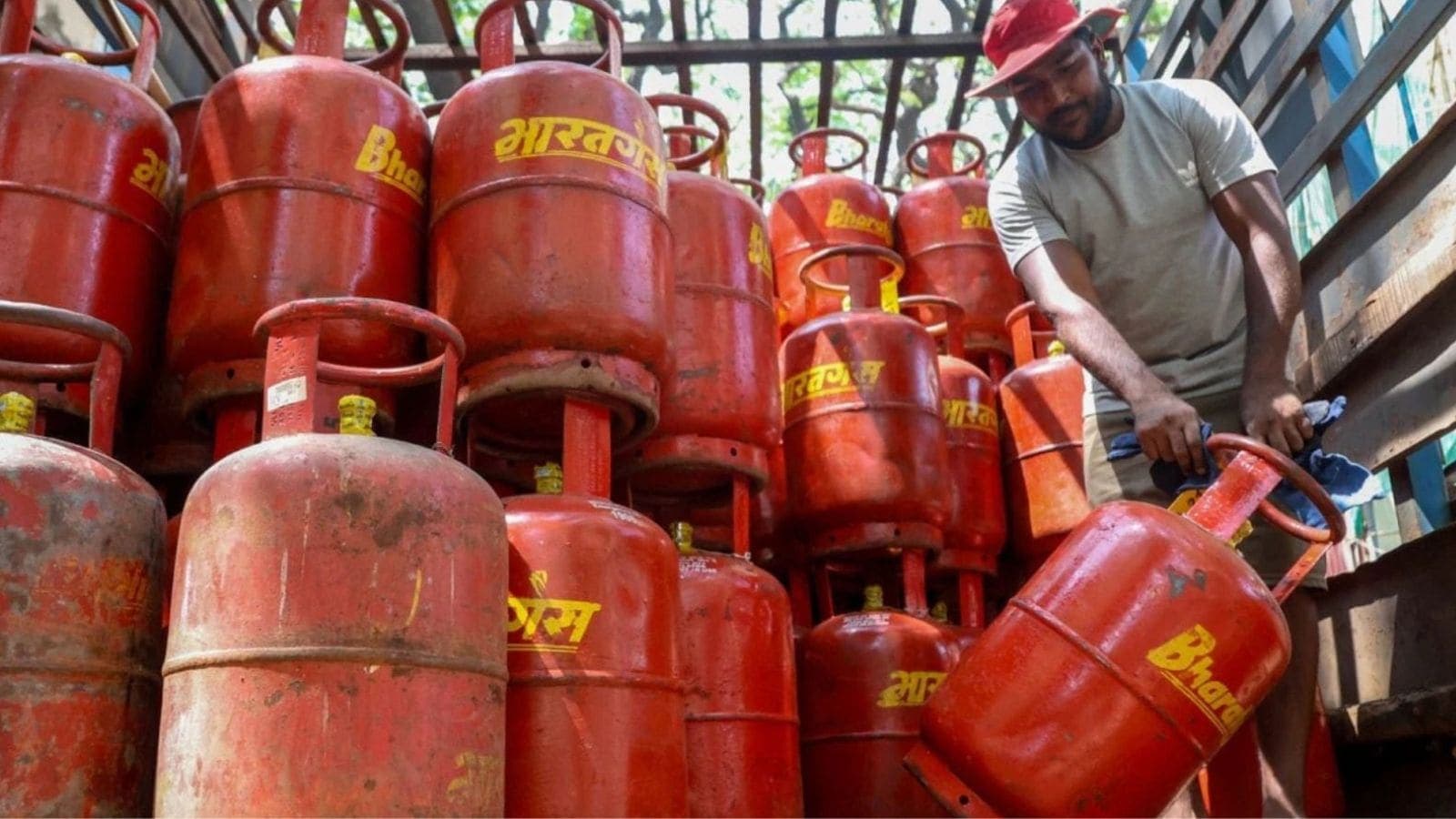
Commercial LPG prices have risen again, with increases of ₹42 in Delhi and ₹53.50 in Kolkata impacting businesses and consumers alike. Find out more.
Indian Express
Discover how a tragic coal mine explosion in Shanxi, China, reveals ongoing safety concerns in the industry amidst a push for green energy.
BBC Business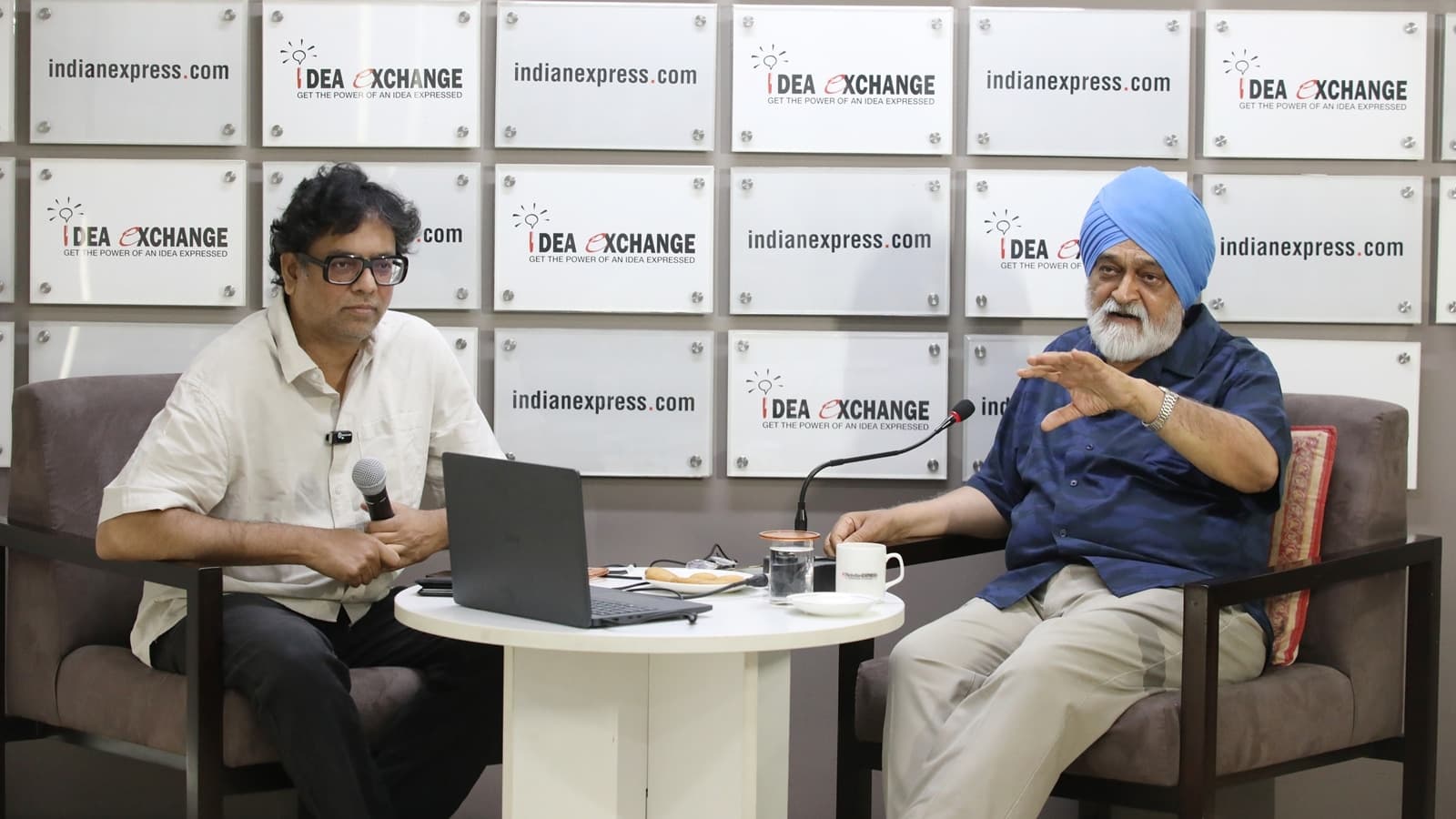
Montek Singh Ahluwalia highlights key economic challenges for India, emphasizing the need for a strategic approach to balance payments and investment.
Indian Express