
Image: BBC Technology
UK Biobank faces scrutiny after medical data of 500,000 volunteers was listed for sale online. Discover how this incident unfolded and its implications.
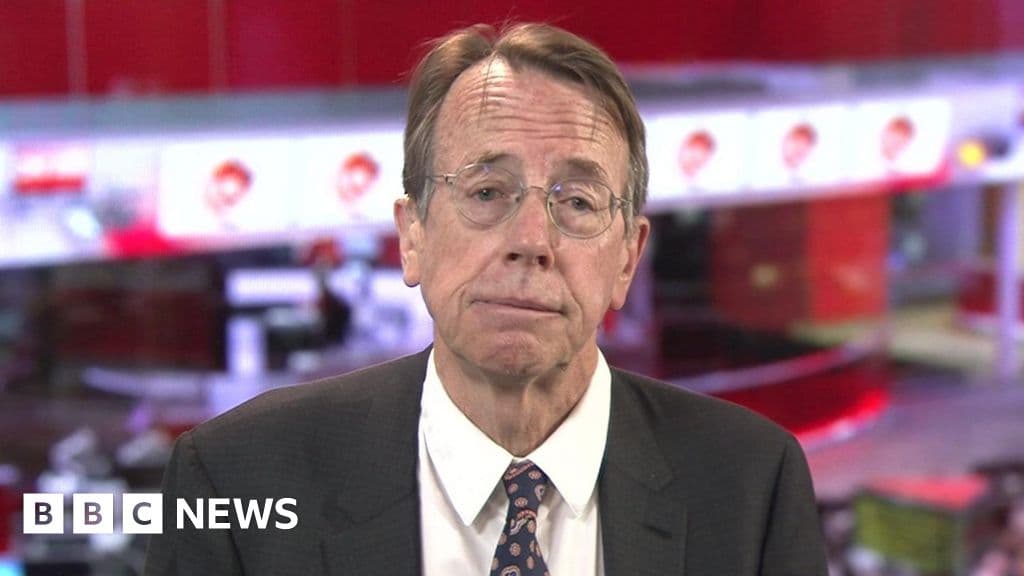
GlipzoProfessor Sir Rory Collins, the head of UK Biobank, expressed his frustration during an interview with the BBC, describing the situation as resulting from the actions of a “few bad apples.” This incident involved datasets that contained de-identified information, which were made accessible to researchers at three specific academic institutions.
The alarming listings were identified last week and swiftly taken down before any potential purchase could occur. However, the incident has prompted a broader investigation into the security measures in place to protect sensitive health data. Sir Rory stated, “I'm very angry and upset about it,” emphasizing that the institutions involved in the breach have now been banned from utilizing the platform.
The biobank, which has been a vital resource for medical research since its inception, has meticulously collected health data from volunteers aged 40 to 69 between 2006 and 2010. Its data has contributed to significant advancements in the detection and treatment of conditions such as dementia, certain cancers, and Parkinson's disease.
The organization’s online platform allows approved scientists from around the world to access these datasets, which include de-identified medical information. However, this incident has raised important questions about the potential for re-identification of participants through the misuse of de-identified data.
Despite the assurances, concerns linger about the possibility of participants being identifiable through a combination of de-identified data and other publicly available information. Sir Rory acknowledged this risk, noting that while it is “impossible” to completely eliminate the chance of re-identification, there is currently no evidence to suggest that it has occurred.
Legal experts, such as Jon Baines, a senior data protection specialist, noted that the ICO will likely assess whether the data in question was truly de-identified and does not fall under personal data protections in UK law.
“UK Biobank has allowed discoveries to be made that otherwise would never have emerged about how to prevent and treat diseases like dementia,” he asserted, reinforcing the importance of both safeguarding data and facilitating research.
The biobank’s ability to balance the need for scientific research with the imperative of protecting sensitive information will be crucial moving forward. As data breaches become more prevalent in our digital age, the UK Biobank incident serves as a stark reminder of the importance of robust data governance in the health sector.
Anticipation builds as the organization works to restore trust and ensure the integrity of its invaluable contributions to medical research. The next steps will involve enhancing safeguards and possibly redefining access protocols to prevent such breaches in the future.
By prioritizing both research and security, UK Biobank can aim to continue its vital role in advancing healthcare while ensuring the protection of its participants’ information.
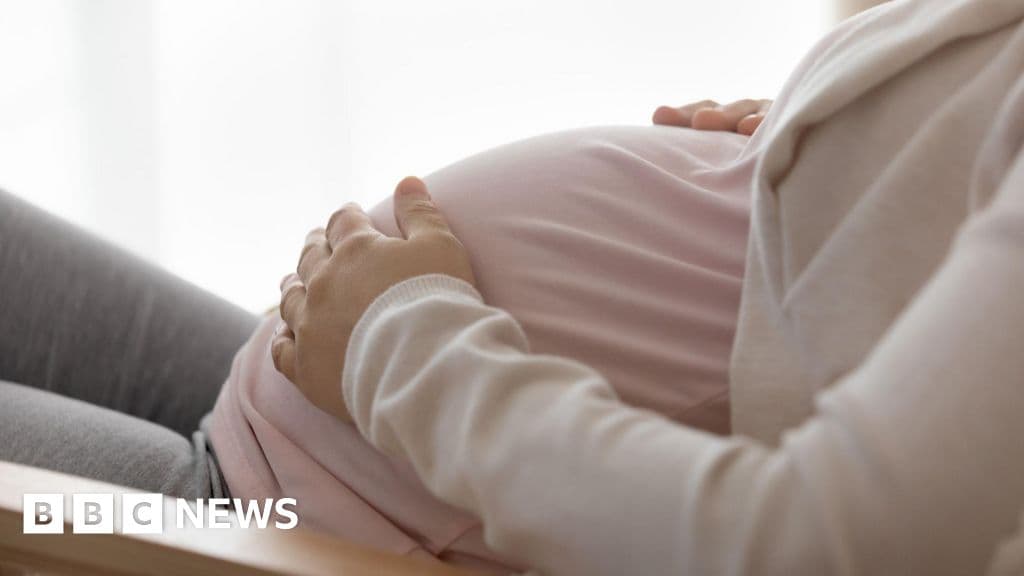
Shocking findings from Nottingham's maternity unit reveal a toxic culture and alarming neglect. What can be done to improve care? Discover the details.
BBC Health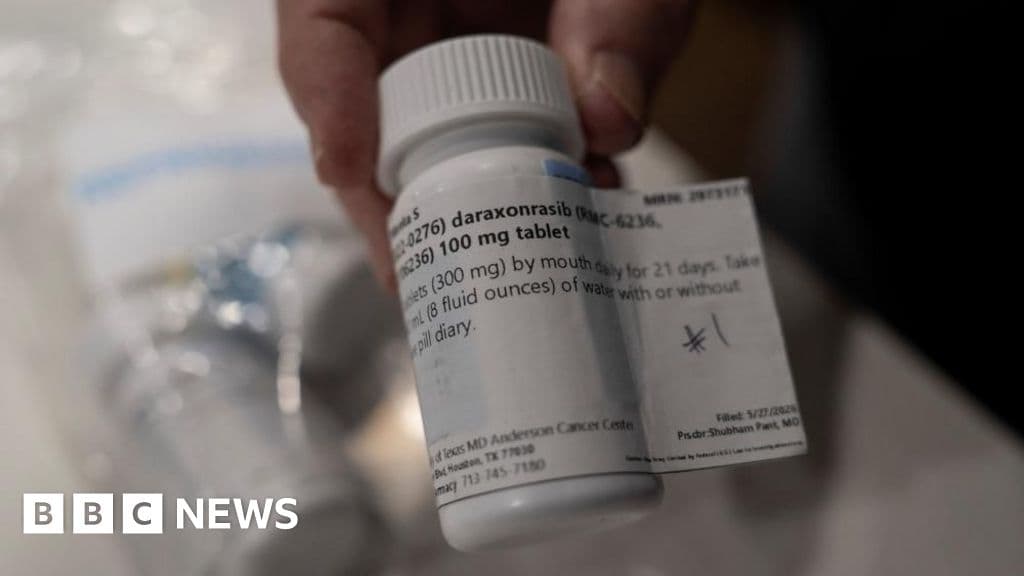
Discover how daraxonrasib, a new pill, is nearly doubling survival rates for pancreatic cancer patients, offering hope in a challenging battle against this deadly disease.
BBC Health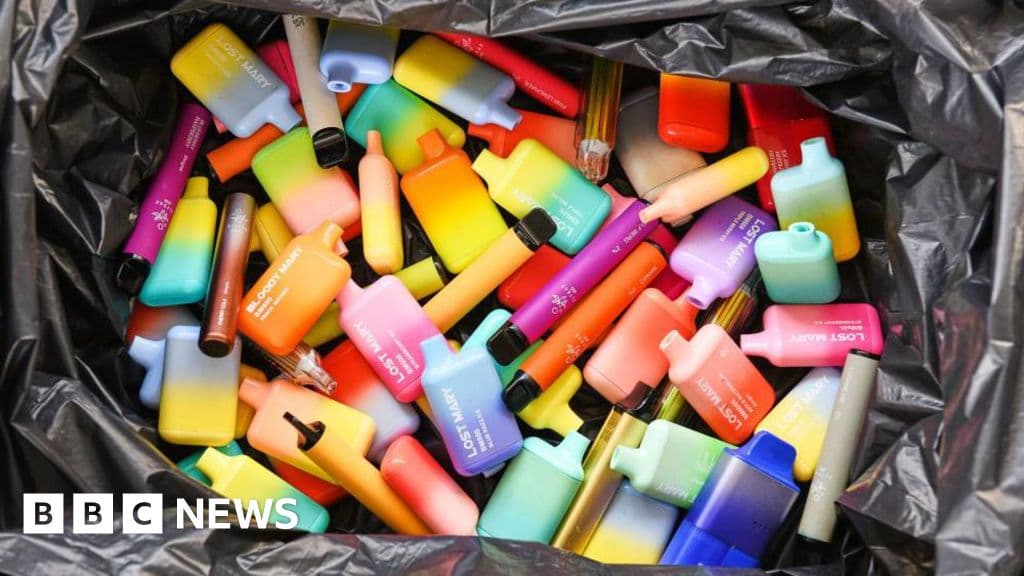
Waste companies propose a £5 deposit on vapes to encourage proper disposal and curb littering as the environmental impact of vapes increases.
BBC Business