

Image: BBC Health
UK alcohol-related deaths have decreased for the first time since the pandemic, but experts warn of ongoing challenges and the need for urgent action.
GlipzoIn a significant development regarding public health, alcohol-related deaths in the UK have decreased for the first time since the onset of the COVID-19 pandemic. Recent data published by the Office for National Statistics (ONS) reveals that 9,809 deaths attributed to alcohol-specific causes were recorded in 2024. This marks a modest reduction from previous years and highlights an important trend in the ongoing battle against alcohol-related health issues.
The numbers indicate a decline in the mortality rate from alcohol to 14.8 deaths per 100,000 people, the lowest since 2020. Experts and campaigners, however, caution that while this decrease is a step in the right direction, the figures still reflect a serious public health crisis that requires urgent attention.
Alcohol-specific deaths in the UK had been on an upward trajectory since 2018, peaking at 10,473 in 2023. The latest statistics reveal a shift, with England and Wales experiencing a decline in death rates, which fell to 13.8 and 16.8 deaths per 100,000 people, respectively.
In stark contrast, Scotland and Northern Ireland continue to report the highest rates in the UK, with 20.9 and 21.4 deaths per 100,000, respectively. This disparity underscores the regional health inequalities that persist across the country. According to Dr. Richard Piper, CEO of Alcohol Change UK, while the decline is welcome, it is essential to recognize that these figures remain significantly elevated compared to pre-pandemic years.
Dr. Piper attributes the increase in alcohol-related deaths in previous years to several factors, including: - Pandemic-related stress and anxiety. - Economic pressures, particularly the rising cost of living. - Easily accessible, low-cost alcohol, with over 70% of alcohol purchased for home consumption.
These elements have fostered an environment where excessive drinking has become more prevalent, especially in economically disadvantaged communities. Dr. Piper emphasized that while there has been a noted decline in alcohol consumption among younger individuals, this does not necessarily correlate with a decrease in alcohol-related deaths.
The ONS data reveals a significant variation in alcohol-specific death rates across different regions. The North East recorded the highest rate in England at 21.1 deaths per 100,000, while London had the lowest at 10.9 deaths per 100,000. Dr. Piper pointed out that areas with higher levels of deprivation tend to experience greater alcohol-related harm, as they often have: - Limited access to healthcare. - A higher concentration of low-cost alcohol outlets.
This creates a cycle where vulnerable populations face increased alcohol consumption and associated health risks.
The statistics further reveal that men in the UK faced a death rate of 20.2 per 100,000, nearly double that of women. For age-specific rates, a decline was noted among those aged 25 to 79, while rates for individuals aged 80 and above have risen. The increase among older adults may be attributed to the cumulative effects of alcohol consumption over their lifetimes.
In light of these figures, Alcohol Change UK is urging the government to consider implementing minimum unit pricing and stricter regulations on online alcohol marketing. Dr. Piper criticized the government's response to the alcohol crisis, stating that they are missing vital opportunities to address the issue effectively. His comments reflect a broader sentiment within the public health community that current strategies are insufficient.
Dr. Katherine Severi, Chief Executive of the Institute of Alcohol Studies, echoed these sentiments, emphasizing that the current rate of alcohol-related deaths is still alarmingly high. She stated, "A modest reduction is not cause for complacency—it is cause for redoubling efforts."
A spokesperson for the Department of Health and Social Care acknowledged the tragedy behind any alcohol-related death and expressed determination to drive down these numbers. They highlighted the 10 Year Health Plan, which includes commitments to better alcohol labeling and health information, as a crucial step toward encouraging healthier choices among the populace.
Over the next three years, the government will allocate £3.4 billion in ring-fenced funding through the Public Health Grant, aimed at addressing these health concerns.
As the UK grapples with the implications of these statistics, the focus remains on addressing the underlying factors contributing to alcohol harm. The decline in alcohol-related deaths is a promising sign, but it is vital for policymakers and health organizations to intensify their efforts to combat alcohol misuse. Future strategies must consider economic disparities, regional health inequalities, and the unique challenges facing vulnerable populations.
The coming months will be critical as stakeholders evaluate the effectiveness of current public health initiatives and look for innovative solutions to lower alcohol-related deaths further. It is essential to keep the conversation alive and ensure that the modest reduction does not lead to complacency in addressing this ongoing public health crisis.
Shocking findings from Nottingham's maternity unit reveal a toxic culture and alarming neglect. What can be done to improve care? Discover the details.
BBC Health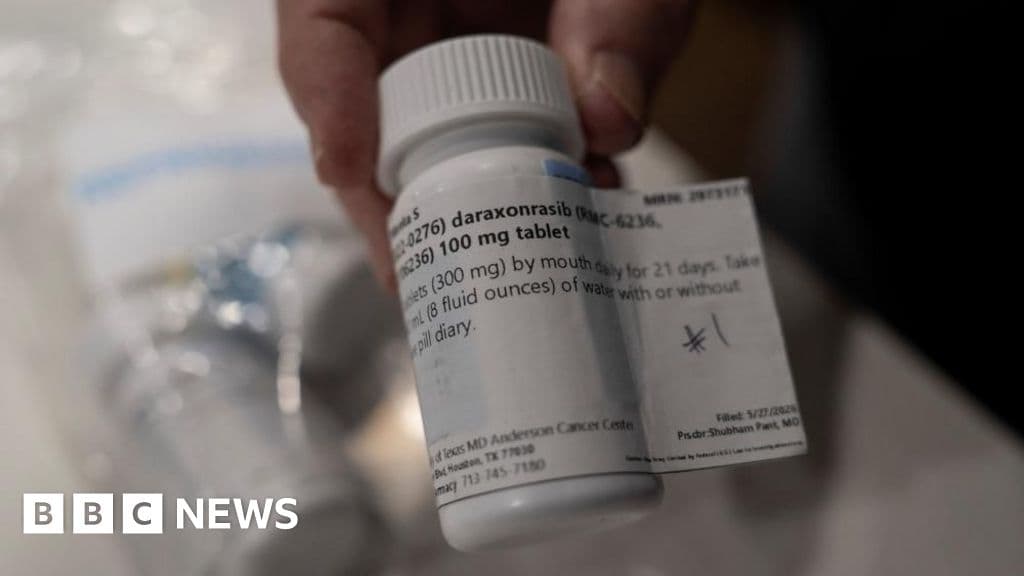
Discover how daraxonrasib, a new pill, is nearly doubling survival rates for pancreatic cancer patients, offering hope in a challenging battle against this deadly disease.
BBC Health
Waste companies propose a £5 deposit on vapes to encourage proper disposal and curb littering as the environmental impact of vapes increases.
BBC Business