
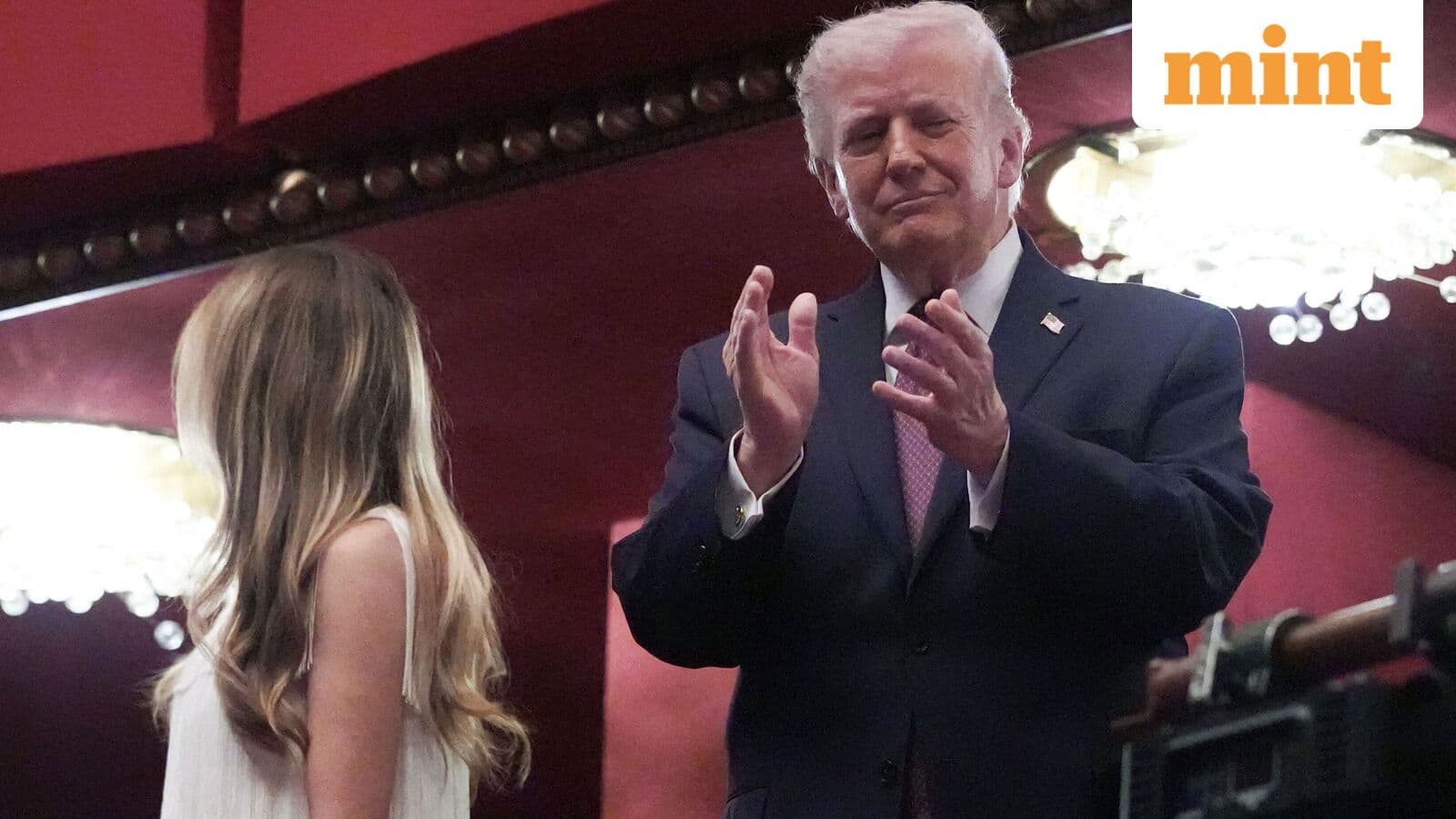
Image: Mint (Business)
Trump's planned Supreme Court appearance on birthright citizenship could redefine American citizenship laws. What will the implications be?
GlipzoIn a move that could reshape the landscape of birthright citizenship in America, President Donald Trump plans to attend a Supreme Court hearing on Wednesday, marking a historic moment as he would be the first sitting president to do so. The hearing revolves around Trump's appeal against a lower court ruling that struck down his executive order aimed at limiting automatic citizenship for children born in the U.S. to non-citizen parents.
Trump confidently stated, “I’m going,” when asked about the upcoming arguments, and further affirmed his intention to attend in person by saying, “I think so, I do believe.” This declaration not only underscores his commitment to the issue but also signals his desire to take a more active role in the judicial process.
The crux of the Supreme Court case hinges on Trump’s executive order, which was signed on the first day of his second term. This order proposed that children born to parents who are temporarily or illegally in the United States would not automatically acquire U.S. citizenship. This represents a significant shift from the traditional interpretation of the 14th Amendment, which has long been understood to provide citizenship to nearly all individuals born on American soil.
Despite the executive order’s intent, it has yet to be implemented nationwide, having been consistently blocked by various courts pending further legal review. The stakes are high, as a ruling from the Supreme Court could redefine citizenship for generations to come.
Ahead of the hearing, Trump took to Truth Social to amplify his stance, stating, “Birthright Citizenship has to do with the babies of slaves, not Chinese Billionaires who have 56 kids, all of whom ‘become’ American Citizens. One of the many Great Scams of our time!” This provocative remark highlights the contentious political landscape surrounding immigration, constitutional law, and national identity.
The Supreme Court currently includes three justices appointed by Trump during his presidency: Neil Gorsuch, Brett Kavanaugh, and Amy Coney Barrett. Their presence further intensifies the anticipation surrounding the upcoming hearing, as the ideological makeup of the Court could play a crucial role in the final ruling.
Historically, while past presidents have engaged with the Supreme Court, none have attended oral arguments while in office. Richard Nixon did present a case before his presidency, and William Howard Taft later became Chief Justice. Trump’s attendance at this hearing marks a significant escalation in presidential interaction with the judicial branch, traditionally seen as a separate entity from the executive.
Reflecting on the Court's composition, Trump remarked, “I love a few of them. I don’t like some others,” indicating his mixed feelings about the justices. His previous hesitation to attend a different Supreme Court hearing on tariff policies, citing potential distractions, further emphasizes the weight he places on this particular case.
The administration's push to redefine eligibility for citizenship has faced intense scrutiny from legal scholars and critics, who argue that such changes should come through constitutional amendments rather than executive actions. The birthright citizenship case resonates deeply with ongoing debates about immigration policy and national identity, making it a focal point of Trump’s broader immigration agenda.
As we approach the hearing, many are looking ahead to the implications of a Supreme Court ruling expected by early summer. A decision could not only impact current immigration policies but also set precedents that affect citizenship laws for future generations.
The outcome of this Supreme Court hearing is critical for several reasons: - Legal Precedent: A ruling could redefine how birthright citizenship is interpreted under the 14th Amendment. - Political Ramifications: The case is likely to fuel ongoing debates about immigration and national identity, especially in an election year. - Judicial Relations: Trump's presence at the hearing could alter the relationship dynamics between the executive and judicial branches, setting a new precedent for presidential engagement.
The anticipation surrounding this case is palpable, as it not only affects the lives of many individuals but also crucially shapes the future of American citizenship and immigration policy. As the hearing unfolds, all eyes will be on the Supreme Court to see how they navigate this contentious issue.

Tensions soar as the US and Iran engage in air strikes near the Strait of Hormuz, raising concerns over global oil supply and regional stability.
BBC World
Trump's international interventions face serious stalemates. What will this mean for U.S. foreign policy? Explore the critical challenges ahead.
Indian Express
Tehran denies resignation of President Masoud Pezeshkian amid claims of IRGC influence. What does this mean for Iran's political stability? Click to learn more!
Indian Express