
Image: BBC Business
Fuel theft has surged 62% amid rising petrol prices linked to the Iran conflict. What does this mean for retailers and consumers? Click to find out.
GlipzoPetrol theft has surged dramatically, with reports indicating a staggering 62% increase compared to last year. This alarming trend comes as fuel prices soar, driven in part by the ongoing Iran conflict and its ramifications on global oil markets. A petrol station owner from the South of England, who wished to remain anonymous, disclosed that his business has suffered losses of up to £2,000 a week due to drive-offs across five locations.
The data compiled for the BBC by Pay My Fuel, a company specializing in fuel theft recovery, highlights this disturbing shift, which is further compounded by the rise in abuse faced by station staff as they deal with frustrated customers grappling with escalating prices. With the cost to fill an average family car increasing by £14 and diesel surging by £27, the dynamics of fuel retailing have changed significantly since the onset of hostilities.
The ongoing US-Israel war with Iran has had a direct impact on fuel prices, causing financial strain for consumers and retailers alike. The government has responded to the crisis, stating that “fuel thieves must face the full force of the law.” Law enforcement agencies are also stepping up their efforts to combat this surge in theft, emphasizing a proactive approach to tackling the issue.
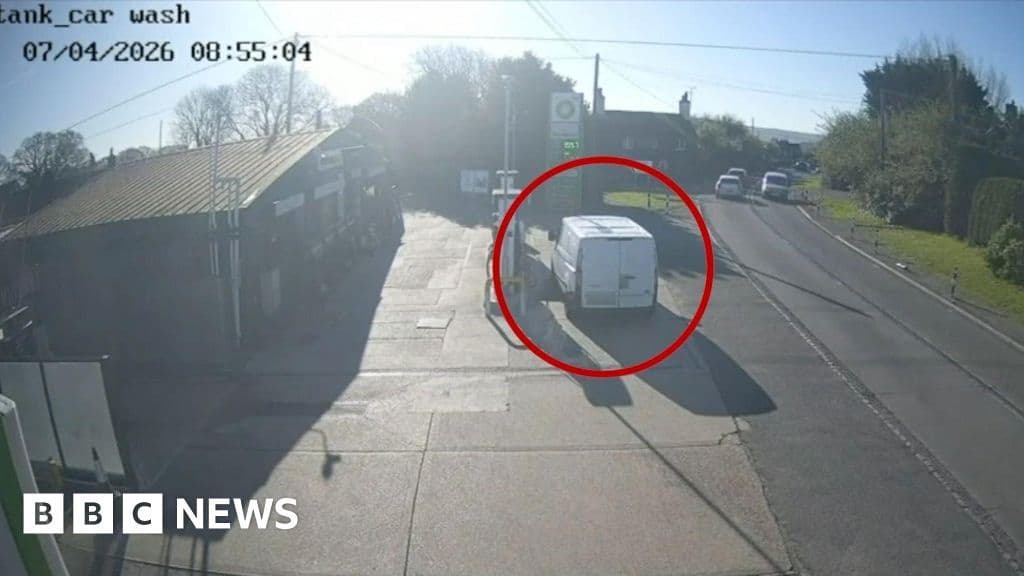
Josh, the petrol retailer, reported a troubling increase in drive-offs. Previously experiencing only one or two incidents per week, he now sees around five drive-offs at each of his garages. CCTV footage shared with the BBC illustrates the alarming frequency of these thefts occurring at all hours. Some notable incidents include:
While some individuals may steal out of sheer desperation, Josh believes that the majority of these thefts are premeditated. “There seems to be a public acceptance that theft is okay,” he stated, highlighting a concerning shift in societal attitudes toward crime. The data from Pay My Fuel supports this assertion, showing that the average number of drive-offs per forecourt has risen from 2.1 in March 2025 to 3.4 in March this year.
This significant increase translates to a more than 46% rise in the average value of stolen fuel, now estimated at £67 per incident. Ian Wolfenden, director of Pay My Fuel, emphasized that the situation is particularly dire in economically challenged areas such as East and South East London, Glasgow, Manchester, Leeds, and Birmingham.
The Petrol Retailers Association (PRA) has noted that the escalation in fuel prices since the war began has coincided with a noticeable uptick in fuel thefts. Gordon Balmer, the PRA’s executive director, acknowledged that while some crimes may stem from individuals claiming they forgot their payment methods, a substantial portion is clearly organized theft. He pointed to the broader context of the cost of living crisis as a contributing factor.
Superintendent Lisa Maslen, head of the National Business Crime Centre, remarked that fuel theft places an “unacceptable strain” on retailers and necessitates additional policing resources. To combat this issue, police forces are increasing collaboration with fuel retailers and recovery agencies to identify patterns and hold repeat offenders accountable.
In response to the crisis, a government spokesperson reiterated the need for stringent action against fuel thieves, stating, “Fuel theft undermines businesses and their workers.” They urged the public to report any theft they witness, reinforcing the importance of community involvement in combating crime.
Despite a slight decrease in fuel prices over the weekend, experts from the RAC indicate that petrol costs remain high. Consumers are advised to stay vigilant as the situation evolves, and fuel retailers continue to adapt to the challenges posed by rising theft rates and volatile pricing.
As fuel prices remain unpredictable and thefts continue to escalate, the focus will be on how law enforcement and government agencies tackle this growing problem. The collaboration between police and retailers may yield new strategies to reduce theft and recover losses.
In the coming months, it will be crucial to monitor both the economic impacts of rising fuel costs and the effectiveness of measures implemented to curb theft. Will retailers find relief from this crisis, or will the trend of fuel theft continue to rise? Only time will tell as the situation unfolds in the wake of ongoing geopolitical tensions.
Why It Matters: Understanding the implications of rising fuel theft is essential in addressing broader economic issues, particularly in the context of the ongoing conflict that affects oil prices globally. As consumers and businesses navigate this challenging landscape, the need for effective solutions becomes increasingly urgent.
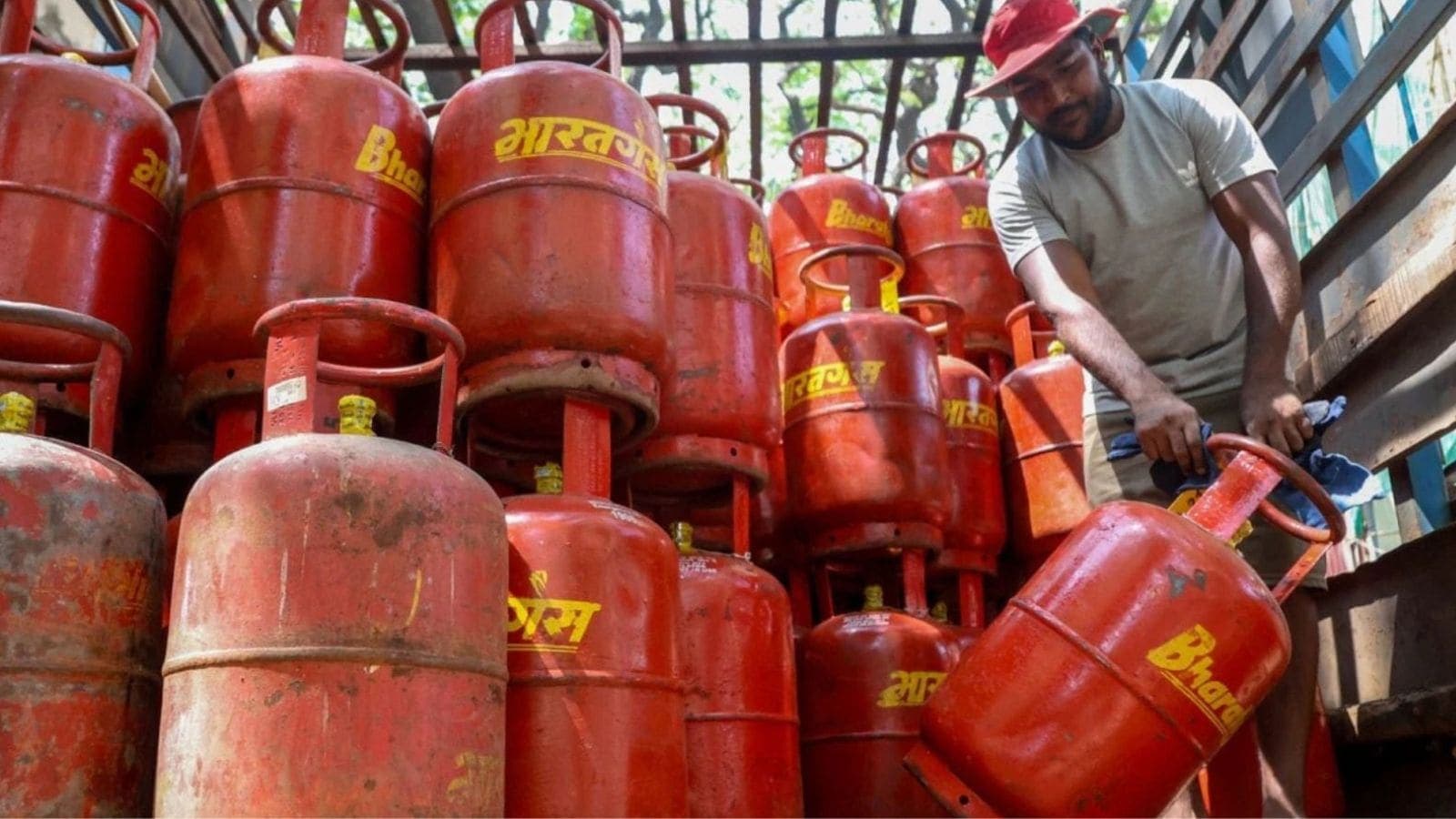
Commercial LPG prices have risen again, with increases of ₹42 in Delhi and ₹53.50 in Kolkata impacting businesses and consumers alike. Find out more.
Indian Express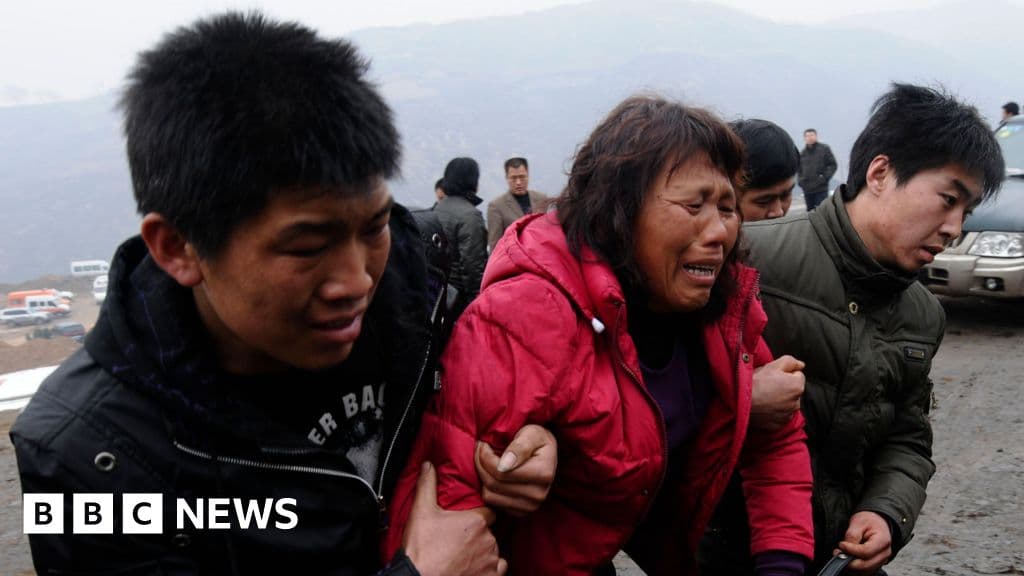
Discover how a tragic coal mine explosion in Shanxi, China, reveals ongoing safety concerns in the industry amidst a push for green energy.
BBC Business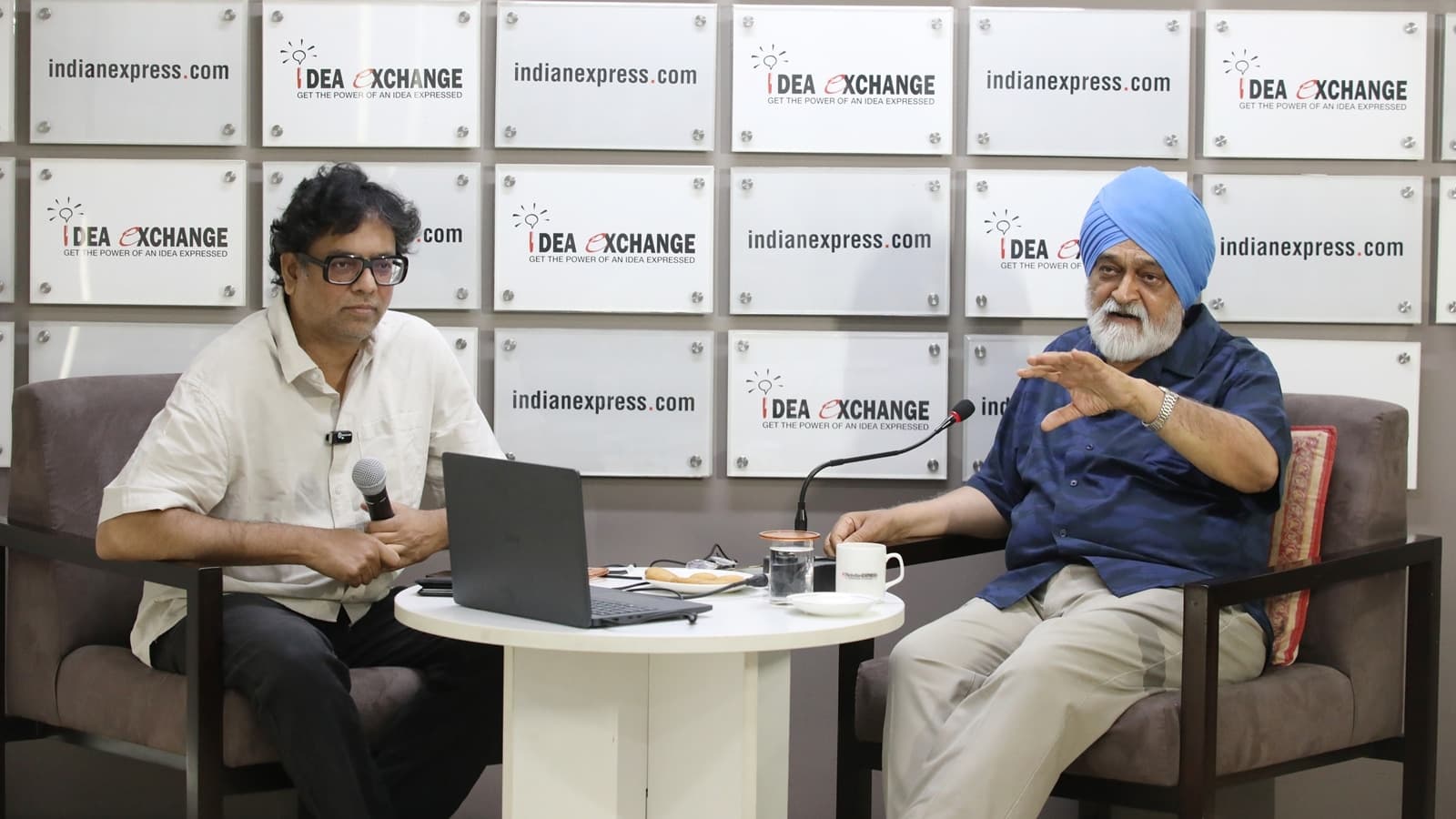
Montek Singh Ahluwalia highlights key economic challenges for India, emphasizing the need for a strategic approach to balance payments and investment.
Indian Express