
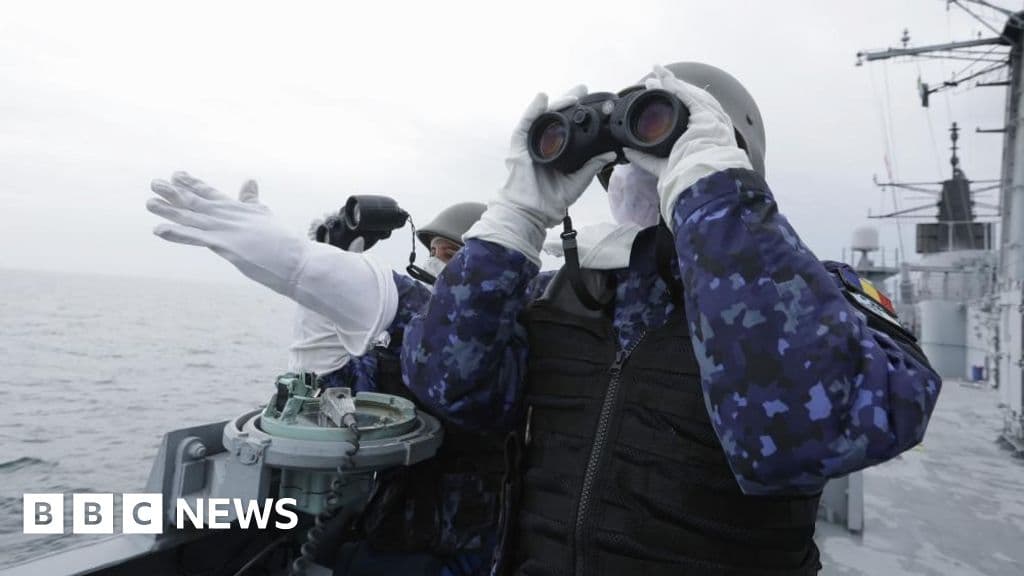
Image: BBC World
Trump's comments about NATO raise critical questions about the alliance's future and the U.S. commitment to global security. What does it mean for NATO?
GlipzoIn a recent interview with the Telegraph, former President Donald Trump reignited discussions about the United States' commitment to NATO, suggesting a potential reevaluation of its role in the military alliance. When asked whether he was reconsidering U.S. membership, Trump asserted, "Oh yes… I would say [it's] beyond reconsideration," expressing frustration that NATO allies were not participating in U.S. military operations against Iran. His comments have raised eyebrows and prompted discussions about their implications for global security.
Trump's rhetoric is not new; he has long criticized NATO, claiming that the alliance has become a burden for the U.S. and that member nations should automatically support American military endeavors. This perspective, however, reveals a fundamental misunderstanding of how NATO operates, particularly regarding Article 5, which mandates collective defense among member states. An attack on one member is seen as an attack on all, but invoking this principle requires consensus among allies, a nuance often overlooked in Trump's statements.
NATO, established in 1949, comprises 30 member nations dedicated to mutual defense. While Article 5 has only been invoked once—after the September 11, 2001 attacks—its significance remains central to the alliance's purpose. Many NATO allies have hesitated to engage in conflicts where they were not consulted, particularly as the Trump administration has delivered mixed messages on its foreign policy goals.
In his recent remarks, Trump also brought up the situation in Ukraine, stating, "We've been there automatically, including Ukraine." This assertion highlights the complexities of NATO's involvement in the ongoing conflict sparked by Russia's invasion in February 2022. While the alliance has provided support, it has stopped short of direct military engagement, reflecting a cautious approach as President Joe Biden navigates the geopolitical landscape.
Trump's criticism of NATO is not a recent phenomenon. Even before his presidency began in 2017, he referred to the alliance as a "paper tiger" and labeled it "obsolete. His ongoing critiques have not only called NATO's effectiveness into question but have also contributed to a shift in how member nations approach their military spending. During his administration, Trump pressured allies to meet the 2% GDP defense spending guideline, leading to increased military budgets across the alliance.
Former NATO Secretary General Jens Stoltenberg discussed in his memoir how Trump threatened to withdraw from NATO during his first term, stating, "We saw clear signs that Trump was preparing to act on his threat." Stoltenberg noted that while Trump was vocal about NATO’s shortcomings, he also received praise for pushing allies to increase their defense budgets.
The current geopolitical climate, particularly with the ongoing crisis in Ukraine, has prompted NATO member countries to reassess their defense strategies and capabilities. The U.S. military budget accounts for approximately 62% of NATO's total defense spending, underscoring the critical role that American military power plays within the alliance. This dependency raises questions about the future of NATO if the U.S. were to diminish its commitments.
As European nations and Canada ramp up their military spending in response to Russian aggression, a more self-reliant defense posture is emerging. However, the reality remains that U.S. military might is unparalleled, and NATO's collective security framework is significantly bolstered by American resources, intelligence, and capabilities.
In light of Trump’s recent statements, there are several key implications for NATO and global security:
As NATO navigates these challenges, the question remains: what will be the long-term impact of Trump's rhetoric on the alliance's cohesion and effectiveness? The world will be watching closely as these discussions unfold, particularly as geopolitical tensions continue to rise.
Moving forward, the focus for NATO will likely center around strengthening unity among member states while addressing the criticisms voiced by Trump and others. As the alliance confronts challenges posed by aggressive powers like Russia, it must also adapt to the evolving security landscape and ensure that all members are prepared to meet their defense obligations. The coming months will be crucial in determining whether NATO's collective defense principles remain robust or if they require significant rethinking in light of changing political dynamics.
In summary, Trump's comments about NATO have reignited critical debates about the alliance's future, prompting members to reconsider their roles and responsibilities in a rapidly changing world.

Tensions soar as the US and Iran engage in air strikes near the Strait of Hormuz, raising concerns over global oil supply and regional stability.
BBC World
Trump's international interventions face serious stalemates. What will this mean for U.S. foreign policy? Explore the critical challenges ahead.
Indian Express
Tehran denies resignation of President Masoud Pezeshkian amid claims of IRGC influence. What does this mean for Iran's political stability? Click to learn more!
Indian Express