
Image: Mint (Business)
Trump claims victory in Iran conflict as tensions rise. Explore his repeated assertions and their implications for US-Iran relations.
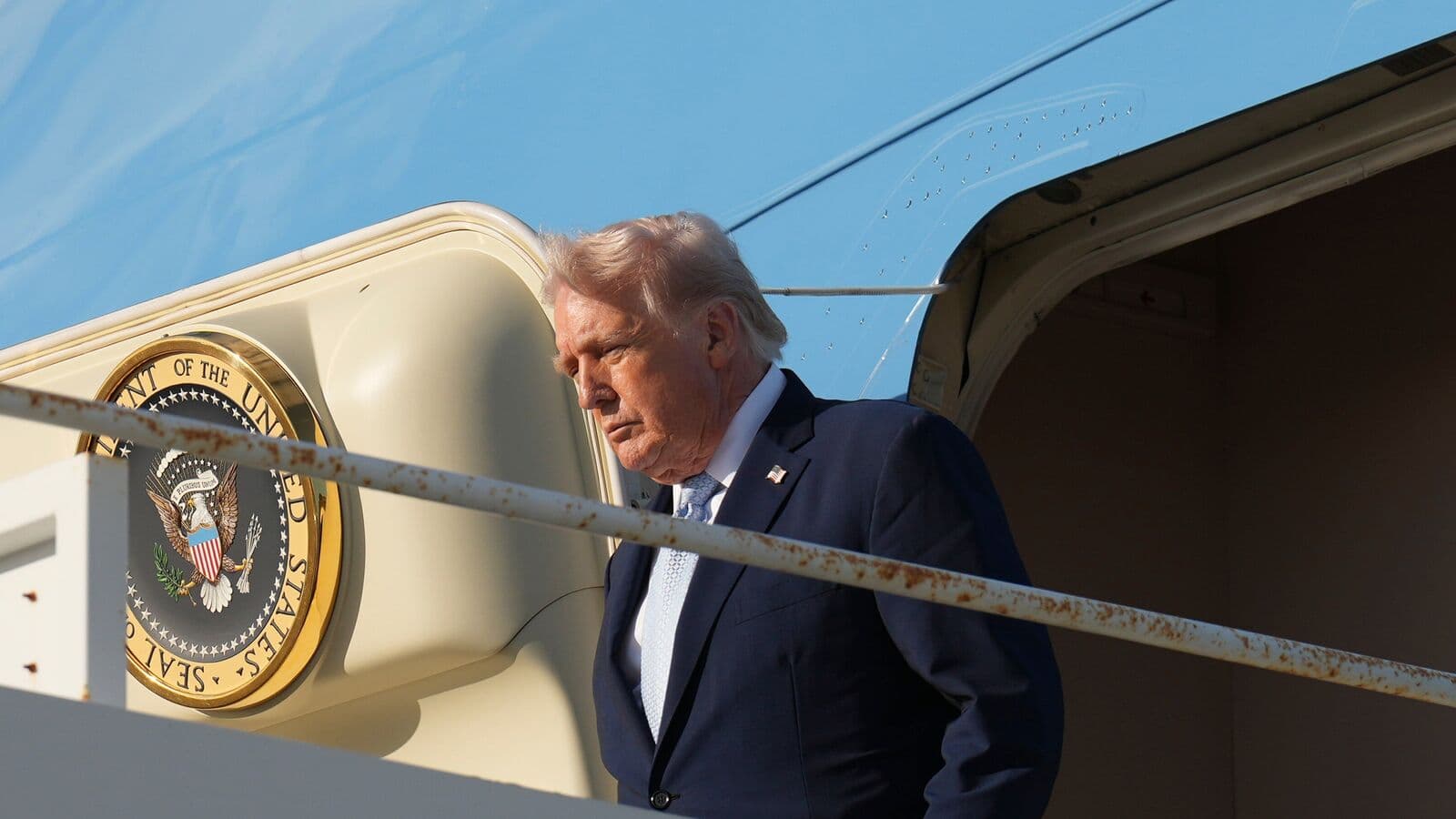
GlipzoUS President Donald Trump stirred the pot once again on Saturday, boasting that the United States had effectively "blown Iran off the map" as the conflict enters its fourth week. This declaration comes amid ongoing tensions and military actions that show no signs of abating, raising questions about the actual state of affairs in the region.
In his latest remarks, Trump specifically targeted The New York Times, accusing its analyst, David Sanger, of misrepresenting the situation. He declared, "The United States has blown Iran off of the map, and yet their lightweight analyst says that I haven’t met my own goals. Yes, I have, and weeks ahead of schedule!" With the conflict escalating since the launch of Operation Epic Fury on February 28, Trump has frequently proclaimed American triumphs over Iran, often sharing these assertions on Truth Social or during press interactions.
Here’s a closer look at Trump’s series of bold claims since the onset of the operation: - February 28: Shortly after the operation began, Trump announced the death of Supreme Leader Ayatollah Ali Khamenei, asserting that Iran was "very much destroyed and even, obliterated" within just one day. - He claimed that the US Navy had destroyed and sunk 9 Iranian naval ships and had significantly weakened Iran’s naval presence.
A week following the launch of Operation Epic Fury, Trump made yet another provocative statement on Truth Social, suggesting that Iran was under pressure and had "apologized and surrendered" to its Gulf neighbors. He stated, "Iran, which is being beat to HELL, has apologized and surrendered to its Middle East neighbors, and promised that it will not shoot at them anymore. This promise was only made because of the relentless U.S. and Israeli attack."
Trump's rhetoric framed this as a historic moment, emphasizing that it was the first time in thousands of years that Iran had experienced such defeat from surrounding countries. He even claimed that Gulf nations expressed gratitude for his approach and leadership.
As the situation escalated, Trump ruled out any negotiations with Iran during a press conference on March 8, stating, "At some point, I don't think there will be anybody left to say 'We surrender'." His statements reflected a stark shift in tone, indicating an unwillingness to engage diplomatically while asserting military supremacy.
The following day, in an interview with CBS News, Trump reiterated, "We have already won in so many ways, but we haven’t won enough." This assertion came as violence intensified, including an attack on the US embassy in Baghdad.
During a rally in Hebron, Kentucky, Trump maintained his confident stance, referencing the initial hours of Operation Epic Fury. He remarked, "You never like to say too early you won. In the first hour it was over… we’ve got to finish the job." His comments seemed to rally support from his base, emphasizing a narrative of American dominance.
On March 12, as Iran's new Ayatollah Mojtaba Khamenei vowed revenge for those killed in the conflict, Trump claimed that the war was "very complete, pretty much." The very next day, he criticized the media, particularly The New York Times, for what he perceived as a misrepresentation of the US military's successes.
Trump's claims of near-total victory over Iran continued through March 14, when he declared that Iran's ambitions were "DEAD!" He insisted that Iran had plans to dominate the entire Middle East and to obliterate Israel, but he stated, "JUST LIKE IRAN ITSELF, THOSE PLANS ARE NOW DEAD!" This declaration came just hours after the US military deployed an additional 2,500 Marines to the region.
He reiterated on Truth Social that the United States had entirely dismantled Iran's military capabilities, asserting, "We have already destroyed 100% of Iran’s Military capability." Such statements have contributed to a growing narrative around American military action in the region, but they raise questions about the accuracy and reliability of such claims.
Trump's continuous declarations of victory illustrate a broader strategy to frame the narrative around US military efforts in Iran as overwhelmingly successful. This is crucial not only for his political image but also for maintaining support from his base. However, these assertions have significant implications: - Public Perception: How these claims are received can shape public understanding of the conflict and the US's role in it. - International Relations: Trump's rhetoric may influence diplomatic relations with Iran and other nations in the region, potentially escalating tensions. - Military Actions: Prolonged assertions of victory could affect military strategy and decision-making in the ongoing conflict.
As the situation in Iran continues to unfold, it is essential to monitor both the military developments and the political rhetoric surrounding them. Observers should pay close attention to: - The actual military and strategic outcomes of Operation Epic Fury. - Any shifts in diplomatic negotiations or peace talks. - The reactions from both Iranian leadership and the international community regarding Trump's claims.
As the conflict progresses, the true impact of these bold declarations remains to be seen. Will Trump's assertions hold true in the long run, or will they be challenged by the realities on the ground? Only time will tell.

Tensions soar as the US and Iran engage in air strikes near the Strait of Hormuz, raising concerns over global oil supply and regional stability.
BBC World
Trump's international interventions face serious stalemates. What will this mean for U.S. foreign policy? Explore the critical challenges ahead.
Indian Express
Tehran denies resignation of President Masoud Pezeshkian amid claims of IRGC influence. What does this mean for Iran's political stability? Click to learn more!
Indian Express