
Image: BBC World
Ukrainian President Zelensky condemns the US for extending a Russian oil sanctions waiver, emphasizing it funds the war against Ukraine amid rising tensions.
GlipzoIn a bold statement, Ukrainian President Volodymyr Zelensky has openly criticized the United States for its recent decision to extend a waiver that permits Russia to continue selling oil despite stringent Western sanctions. This waiver allows nations to purchase Russian oil and petroleum products that are already loaded on vessels at sea, with the expiration date set for May 16. Zelensky argues that this move undermines efforts to support Ukraine in its ongoing struggle against Russian aggression.
The Biden administration has defended its decision, claiming that the waiver is necessary to alleviate the energy supply shortages exacerbated by the escalating conflict between the US and Israel against Iran. However, Zelensky's condemnation raises critical questions about the implications of this policy. "Every dollar paid for Russian oil is money for the war," he remarked, emphasizing that funds generated from these sales contribute directly to the conflict in Ukraine, which has been ongoing since February 2022.
The geopolitical landscape has become increasingly complex, particularly following recent escalations in the Middle East. In response to attacks by the US and Israel on Iranian targets, Iran has retaliated by targeting not only Israeli interests but also US military bases in the region. This has led to significant disruptions in energy supply, notably with Iran effectively closing the Strait of Hormuz, a vital passageway through which approximately 20% of the world's oil and liquefied natural gas is transported.
As a result, energy markets have experienced volatility, with economists warning of a potential global recession if access to this crucial route is not restored quickly. The US government's decision to ease Russian sanctions on March 13 was met with widespread backlash from Zelensky and several European allies, who argue that it sends the wrong message to Moscow.
In a statement made last week, the US reiterated its commitment to ensuring that oil remains available for those who need it, citing ongoing negotiations to end the war as a reason for the extension of the waiver. However, Zelensky's reaction indicates growing frustration among Ukrainian officials regarding the perceived leniency towards Russia.
Zelensky highlighted alarming statistics regarding Russia’s oil exports, noting that the country possesses more than 110 tankers from its so-called "shadow fleet"—ships that operate under obscured ownership to evade sanctions. He revealed that these vessels carry over 12 million tons of oil, which could generate an estimated $10 billion (£7.4 billion) for the Russian government. This influx of revenue, he warned, is being used to fund military operations against Ukraine.
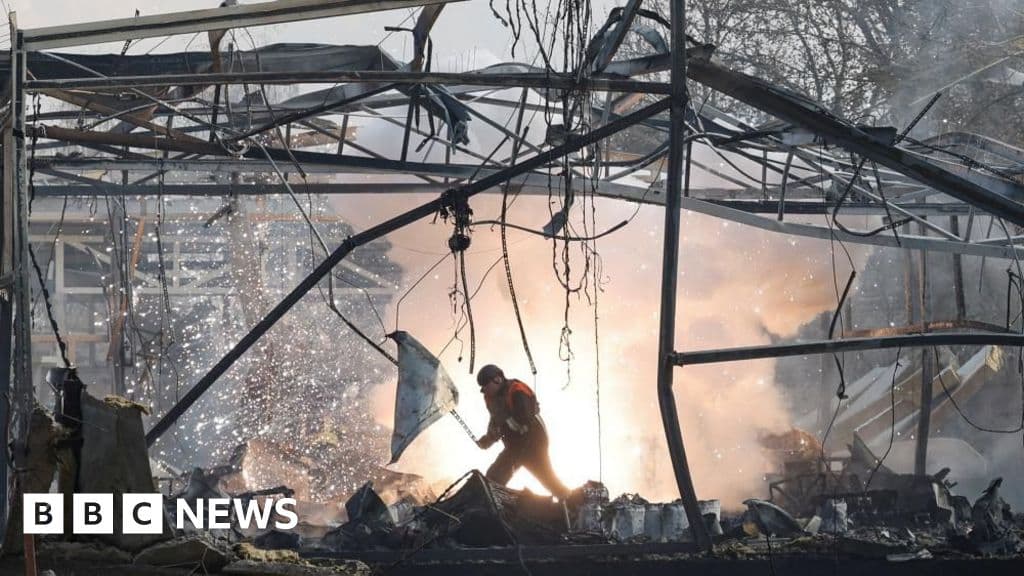
In the context of escalating hostilities, Zelensky pointed out that in just the past week, Russian forces launched over 2,360 attack drones, more than 1,320 guided aerial bombs, and nearly 60 different types of missiles targeting Ukrainian cities and civilian areas. One of the most devastating attacks occurred on April 15, where a coordinated strike using over 700 drones and missiles resulted in the loss of at least 18 lives.
Despite Ukraine's retaliatory attacks on Russian energy facilities, the conflict has reached a precarious stalemate, with Russian forces currently controlling around 20% of Ukrainian territory. Diplomatic efforts spearheaded by the US to negotiate an end to the war have been hampered by the escalating situation in Iran, showcasing the interconnected nature of these geopolitical conflicts.
As the war grinds on, the implications of US policies towards Russia's oil exports remain a critical topic of discussion among allies and international observers. Zelensky’s critique serves as a reminder of the urgency for unified action against Russia and the importance of maintaining sanctions that target its economic resources.
Looking ahead, the relationship between Ukraine and its Western allies may be tested as they navigate the complexities of energy needs and geopolitical tensions. The extension of the waiver raises significant concerns about the effectiveness of sanctions and the potential for Russia to leverage its oil exports to fund further aggression.
The international community will need to closely monitor developments in both Ukraine and Iran, as decisions made in one region can have far-reaching consequences in another. As Zelensky continues to advocate for stronger support against Russian aggression, the call for a reassessment of sanctions and energy policies may become a focal point in discussions among Western leaders.
In conclusion, the situation remains fluid and warrants careful observation. The next steps taken by the US and its allies in response to these unfolding events will be crucial in determining the future of Ukraine and the stability of global energy markets.

Tensions soar as the US and Iran engage in air strikes near the Strait of Hormuz, raising concerns over global oil supply and regional stability.
BBC World
Trump's international interventions face serious stalemates. What will this mean for U.S. foreign policy? Explore the critical challenges ahead.
Indian Express
Tehran denies resignation of President Masoud Pezeshkian amid claims of IRGC influence. What does this mean for Iran's political stability? Click to learn more!
Indian Express