
Image: BBC World
President Trump hints at renewed Iran talks this week amid U.S. port blockade. What does this mean for global stability and oil markets? Find out now!
GlipzoIn a surprising turn of events, President Donald Trump has indicated that discussions aimed at resolving the conflict in Iran may recommence this week. This announcement follows a breakdown in negotiations over the weekend, which has led to the United States enforcing a blockade on Iranian ports. Trump's comments were made during an interview with the New York Post, where he mentioned, "You should stay there [Islamabad], really, because something could be happening over the next two days, and we're more inclined to go there."
The ongoing situation has created a tense atmosphere, particularly as the U.S. military reported that no vessels had crossed the blockade on Iranian ports within the first 24 hours of its implementation. This blockade raises questions about the impending expiration of a two-week ceasefire, which is set to end next week and has been crucial for maintaining some semblance of stability in the region.
While the Iranian government has yet to formally respond to Trump's remarks, United Nations Secretary-General António Guterres has suggested it is "highly probable" that diplomatic talks will resume soon. Additionally, officials from the Gulf, Pakistan, and Iran have indicated that negotiating teams from both Washington and Tehran might reconvene in Pakistan later this week, although no specific date has been established.
The prospect of renewed diplomatic efforts has provided a temporary boost to oil markets, helping to bring benchmark prices down to below $100 on Tuesday. This is significant, as Iran has effectively shut off the Strait of Hormuz, a vital passage for global oil and gas transport, since the onset of U.S. and Israeli airstrikes on February 28.
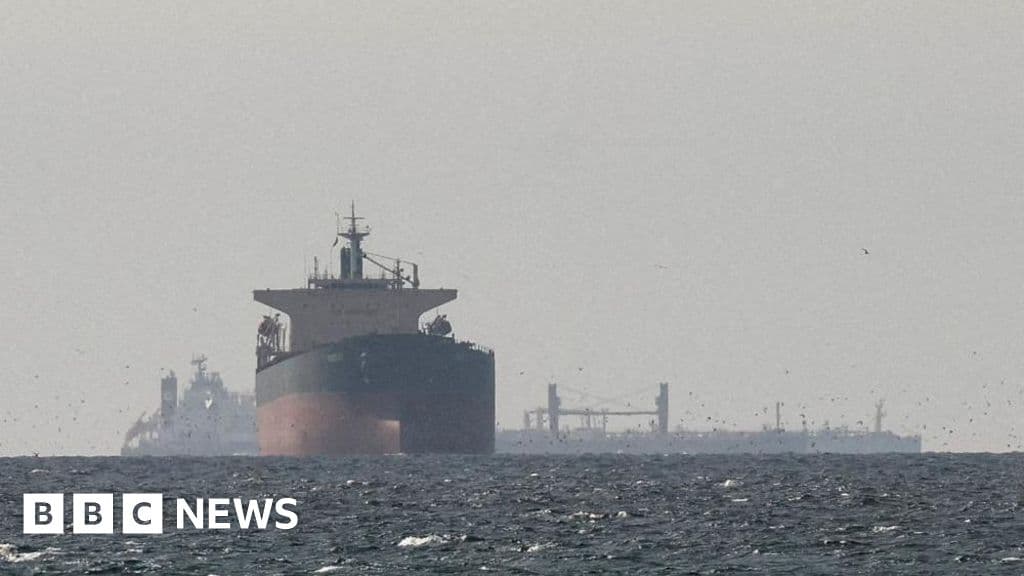
The blockade, enforced by over a dozen U.S. warships and approximately 10,000 military personnel, is designed to obstruct any vessels entering or leaving Iranian ports. This strategy aims to cripple Iran's economy by targeting two primary sources of revenue: oil profits and tolls collected from ships navigating through the crucial strait.
According to U.S. Central Command (Centcom), six merchant ships complied with orders to turn back to Iranian ports during the first day of the blockade. However, ship-tracking data analyzed by BBC Verify revealed that at least four Iran-linked vessels managed to cross the Strait of Hormuz despite the blockade, with some reportedly returning from Iranian ports.
Initial high-stakes negotiations in Islamabad over the weekend fell short of producing an agreement, primarily due to disagreements surrounding Iran's nuclear ambitions. The U.S. proposed a 20-year suspension of all uranium enrichment activities, while Tehran countered with a five-year halt, according to sources familiar with the discussions.
Vice-President JD Vance, who played a key role in the negotiations in Pakistan, expressed optimism that Iran is still interested in reaching a deal. He remarked, "There is a lot of, of course, mistrust between Iran and the United States of America. You are not going to solve that problem overnight," during a recent event in Georgia.
As the International Monetary Fund (IMF) cautions that the ongoing conflict could lead to a global economic downturn, U.S. Treasury Secretary Scott Bessent noted that enduring some economic pain is a necessary trade-off for achieving long-term international security. This perspective highlights the delicate balance between immediate economic impacts and broader geopolitical stability.
In stark contrast, China has condemned the U.S. blockade as "dangerous and irresponsible," arguing that it will only escalate tensions and jeopardize the fragile ceasefire agreement currently in place. Such international reactions underscore the complexity of the situation and the potential for further conflict.
In a related development, Israel and Lebanon have agreed to enter direct negotiations following discussions in Washington on Tuesday. This marks the first time officials from the two countries have engaged in direct talks since 1993, highlighting a significant diplomatic move amidst ongoing regional tensions linked to Israeli airstrikes targeting the Iran-backed militant group Hezbollah.
A U.S. official clarified that there is no direct connection between the talks with Lebanon and the blockade of Iranian ports, but the concurrent diplomatic efforts illustrate the intricate web of relationships and tensions in the Middle East.
As the week progresses, all eyes will be on the potential resumption of U.S.-Iran negotiations and how both sides navigate their complex relationship. The outcome of these talks could have profound implications for not only the region but also the global economy, particularly in energy markets. Observers will be keenly watching for any signs of progress or further escalation as both nations grapple with the challenges of mistrust and differing priorities.
In summary, while the possibility of renewed talks offers a glimmer of hope, the situation remains precarious, with significant stakes both regionally and globally. The next few days could prove pivotal in shaping the future of U.S.-Iran relations, and the wider impact on international diplomacy and security.

Tensions soar as the US and Iran engage in air strikes near the Strait of Hormuz, raising concerns over global oil supply and regional stability.
BBC World
Trump's international interventions face serious stalemates. What will this mean for U.S. foreign policy? Explore the critical challenges ahead.
Indian Express
Tehran denies resignation of President Masoud Pezeshkian amid claims of IRGC influence. What does this mean for Iran's political stability? Click to learn more!
Indian Express