
Image: BBC World
China condemns the US blockade of Iranian ports as irresponsible, heightening tensions in a fragile ceasefire. What does this mean for global oil and trade?
GlipzoIn a bold response to recent developments in the Middle East, China has denounced the US naval blockade of Iranian ports as "irresponsible and dangerous." This statement from Beijing's foreign ministry comes in light of escalating tensions following the breakdown of peace talks between the US and Iran in Pakistan just a day prior to the blockade's implementation on Monday.
The blockade is seen as an attempt by the US to pressure Iran into abandoning its nuclear ambitions. However, analysts suggest it also serves to influence China—the largest buyer of Iranian oil—to push Tehran to reopen the Strait of Hormuz, a crucial maritime route that Iran has effectively shut down in retaliation against US-Israeli strikes.
The foreign ministry spokesperson, Guo Jiakun, stated that the blockade threatens to destabilize the already fragile ceasefire that has been in place since April 8. He warned that such actions could jeopardize the safety of vessels navigating through the Strait of Hormuz, which is vital for global oil transport.
China's position emphasizes the importance of maintaining peace and dialogue in the region. Guo urged all involved parties to respect the ceasefire agreements and work towards restoring normal traffic in the strait. "Only by achieving a comprehensive ceasefire and ending the war can we fundamentally create conditions for easing the situation in the strait," he expressed.
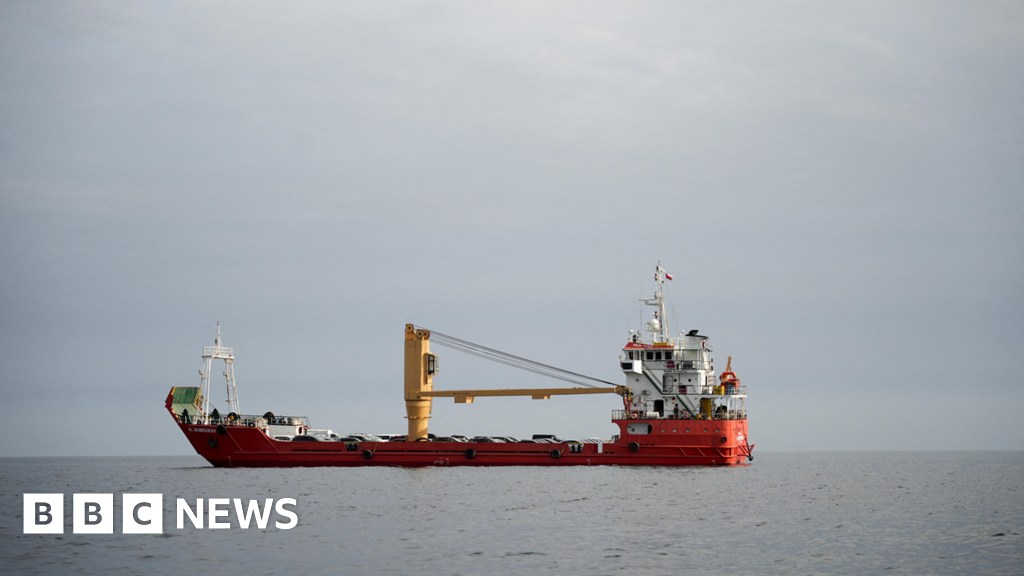
The US strategy aims to blockade Iran's Gulf ports while ensuring that non-Iranian vessels can continue to operate in the strait. This approach minimizes risks to US naval vessels while exerting pressure on Iran. However, despite these intentions, shipping data has indicated that at least four Iran-linked ships successfully navigated the strait on Tuesday, raising questions about the effectiveness of the blockade.
Vice-President JD Vance has accused Iran of economic terrorism, particularly in light of Tehran's recent attacks on vessels in the strait. He stated, "If the Iranians are going to try to engage in economic terrorism, we're going to abide by the simple principle that no Iranian ships are getting out, either." This rhetoric underscores the tense back-and-forth between the two nations, as both sides appear to be entrenched in their positions.
As the US and Iran engage in a high-stakes game of geopolitical chess, all eyes will be on the Strait of Hormuz and the responses from both nations. The implications of the blockade could ripple through global markets, especially concerning oil prices and economic stability in both China and Iran.
In summary, the situation remains fluid, and the actions taken by all parties involved could have significant repercussions for not only the Middle East but also the global economy as we move forward.

Tensions soar as the US and Iran engage in air strikes near the Strait of Hormuz, raising concerns over global oil supply and regional stability.
BBC World
Trump's international interventions face serious stalemates. What will this mean for U.S. foreign policy? Explore the critical challenges ahead.
Indian Express
Tehran denies resignation of President Masoud Pezeshkian amid claims of IRGC influence. What does this mean for Iran's political stability? Click to learn more!
Indian Express