
Image: BBC World
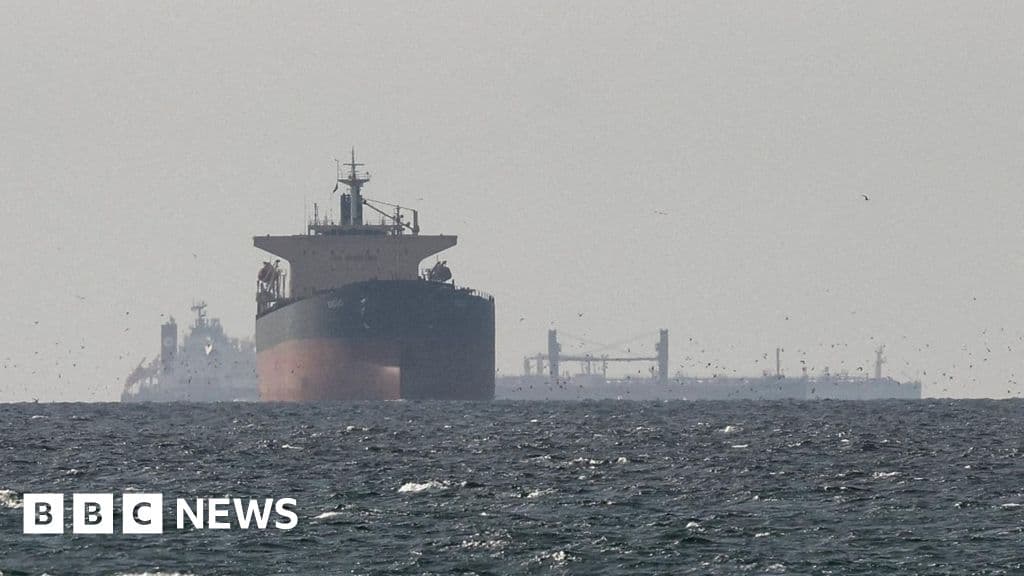
Trump urges nations to send warships to the Strait of Hormuz amid rising tensions and attacks on shipping. What’s next for global maritime security?
GlipzoIn a significant move, Donald Trump has urged the United Kingdom and several nations to deploy warships to the Strait of Hormuz in a bid to safeguard this crucial maritime corridor. As tensions escalate following recent attacks on tankers in the region, Trump’s call comes amidst an ongoing conflict involving the US and Israel against Iran that has intensified over the past fortnight.
The Strait of Hormuz, recognized as the world’s busiest oil shipping route, is vital for global energy supplies, with approximately 20% of the world’s oil passing through it. Trump's appeal is directed not only at the UK but also at countries including China, France, Japan, and South Korea. The urgency of his message highlights the precarious situation as Tehran continues to threaten the strait's navigation.
In response to Trump's statements, the UK Ministry of Defence acknowledged that discussions are underway regarding potential strategies to ensure the safety of shipping lanes in the region. The ministry is considering a variety of options in collaboration with allied nations to address the escalating crisis. The recent military activities by Iran have led to a sharp increase in global oil prices, raising concerns among world leaders about the economic implications of a disrupted Strait of Hormuz.
On his social media platform, Truth Social, Trump expressed confidence that “many countries” would join the US in this maritime mission, aiming to maintain the strait’s openness and safety. He claimed that 100% of Iran's military capability had been neutralized, yet acknowledged the potential for Iranian forces to still launch drone strikes or mine the waterway.
Trump's rhetoric intensified as he stated, “Hopefully China, France, Japan, South Korea, the UK, and others... will send ships to the area so that the Hormuz Strait will no longer be a threat.” He emphasized the US commitment to aggressive military action, promising to “bomb the hell out of the shoreline” and “continuously shoot Iranian boats and ships out of the water.” This declaration underscores the volatile nature of the situation and the potential for severe military confrontations.
In a subsequent post, Trump expanded his appeal to all “Countries of the World that receive Oil through the Hormuz Strait,” assuring that the US would provide substantial support to those nations willing to participate in this maritime security operation. He also threatened to target critical Iranian oil infrastructure, specifically on Kharg Island, if Iranian forces interfered with shipping.
Iran’s military has responded defiantly to Trump’s threats, stating that it would retaliate by destroying oil and energy infrastructure belonging to firms collaborating with the US if their assets were targeted. This tit-for-tat escalation has raised alarm bells regarding the safety of commercial shipping in the Gulf region, transforming the area into a potential battlefield between opposing forces.
The UK Maritime Trade Operations (UKMTO) released a report on March 12, indicating that 16 ships have been attacked in and around the Strait of Hormuz since the onset of the conflict on February 28. As of now, even the US Navy is refraining from escorting tankers through this narrow and perilous shipping lane, further heightening the risks for maritime operations.
Despite Trump’s calls for increased military presence, the UK’s Type 45 destroyer HMS Dragon is currently the only British warship in the region, having recently set sail for Cyprus. This limited deployment raises questions about the UK’s commitment to maritime security in light of increasing Iranian aggression and ongoing military actions by the US and its allies.
In a separate interview with CBS, Trump expressed his views on the UK's military involvement, stating that it was “a little bit late to be sending ships.” This comment reflects Trump's frustration with the UK’s delayed response to the unfolding crisis and its initial hesitance to allow US forces to utilize its bases for military operations. Trump has previously critiqued UK Prime Minister Sir Keir Starmer, likening him unfavorably to historical leaders like Winston Churchill for his perceived lack of decisiveness.
As the situation in the Strait of Hormuz continues to evolve, the implications for global energy markets and international relations cannot be overstated. The potential for military confrontation remains high, with Trump’s aggressive posture suggesting a willingness to escalate the conflict further if necessary.
Going forward, all eyes will be on the responses from the UK and other allied nations as they navigate the delicate balance between ensuring maritime security and avoiding deeper military entanglements. The ongoing threats from Iran and their implications for oil supplies make this a critical moment for global shipping and international diplomacy. What happens next will depend on the collective actions of world powers in addressing the challenges posed by Iran and securing the vital Strait of Hormuz.
Why It Matters: The Strait of Hormuz is crucial for global oil supplies, and any military action in the region could have far-reaching economic consequences, affecting oil prices and international relations.

Tensions soar as the US and Iran engage in air strikes near the Strait of Hormuz, raising concerns over global oil supply and regional stability.
BBC World
Trump's international interventions face serious stalemates. What will this mean for U.S. foreign policy? Explore the critical challenges ahead.
Indian Express
Tehran denies resignation of President Masoud Pezeshkian amid claims of IRGC influence. What does this mean for Iran's political stability? Click to learn more!
Indian Express