
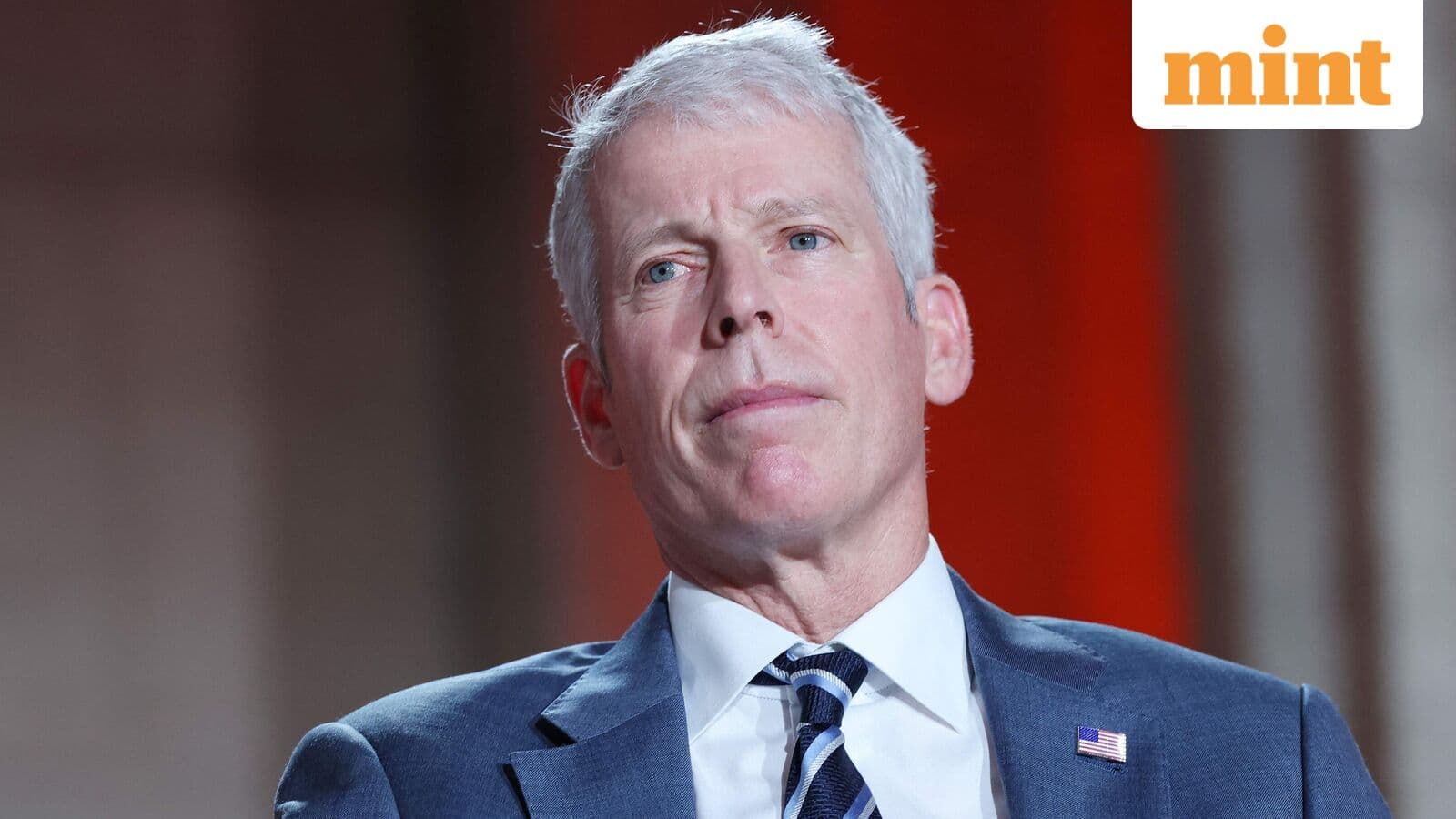
Image: Mint (Business)
Trump revives California oil operations to boost energy security amid rising prices. What are the implications for state and national interests?
GlipzoThe Trump administration has taken a significant step to bolster the United States' energy security by ordering the revival of offshore oil operations in California. This decision comes in the wake of rising fuel prices, exacerbated by geopolitical tensions following the Iran conflict.
President Donald Trump signed an executive order that empowers the Secretary of Energy to utilize the Defense Production Act to mitigate potential supply interruptions. This act allows the government to prioritize the production of essential goods, including oil, during times of national concern.
Following this directive, U.S. Secretary of Energy Chris Wright announced plans to resume operations at the Santa Ynez Unit and the Santa Ynez Pipeline System, both crucial for offshore oil production off the coast of California. In his statement, Wright emphasized that this initiative is vital for maintaining energy security and ensuring a steady fuel supply for military installations along the West Coast.
> “The Trump Administration remains committed to putting all Americans and their energy security first,” Wright stated, highlighting the administration's focus on domestic energy production amidst rising global tensions. He expressed concern over state leaders who may not prioritize energy security in their policies, suggesting detrimental impacts not only for residents but for national security as well.
The Santa Ynez facility, operated by Sable Offshore Corp., has the potential to produce approximately 50,000 barrels of oil per day. This increase is projected to enhance California’s in-state oil production by around 15 percent, significantly reducing the state’s reliance on foreign imports. Currently, California imports over 60 percent of the oil it refines, much of which comes from international sources, including shipments that traverse the Strait of Hormuz, a critical global oil transit point.
The administration argues that this heavy dependence on imported oil not only jeopardizes California’s energy stability but also poses risks to U.S. military operations that depend on reliable fuel supplies. As military readiness is crucial for national defense, the revival of these offshore operations is positioned as a necessary step in securing that readiness.
In addition to increasing production, the federal order emphasizes the importance of enhancing pipeline transportation capacity. The crude oil extracted from offshore California will be transported through the Las Flores Pipeline System to Pentland Station, where it will then enter interstate pipeline networks. This strategy aims to facilitate a more efficient transport of domestically produced oil to refineries, thereby diminishing the state's reliance on maritime imports.
California's refining infrastructure is somewhat unique compared to other states, as it is relatively isolated from the interstate crude pipeline systems that are widespread across the United States. This isolation has made California more vulnerable to fluctuations in global oil prices and supply chain disruptions.
In stark contrast to the federal administration's actions, California Governor Gavin Newsom has voiced strong opposition to this decision. He accused the Trump administration of placing oil production above environmental concerns, which could have long-lasting consequences for the state’s ecological health. Newsom took to X (formerly Twitter) to express his discontent, stating,
> “Trump knew his war with Iran would raise gas prices. Now he wants to illegally resurrect a pipeline shut down by courts and facing criminal charges. And it won't even cut prices.”
He further emphasized his commitment to protecting California’s environment and economic interests, which he claims are threatened by the administration's push for increased oil drilling.
The decision to restart oil operations could have far-reaching implications for both California and the broader U.S. energy landscape. Here are a few key takeaways:
As the federal government pushes to increase domestic oil production, all eyes will be on the outcomes of this initiative. Will it indeed lead to lower fuel prices, or will state and environmental challenges stymie progress? Furthermore, how will the public respond to the renewed focus on fossil fuel extraction in an era increasingly defined by climate change awareness?
Future developments will be critical as they unfold, especially regarding the legal challenges anticipated from state officials and environmental groups. The economic and ecological impacts of this decision will shape the discussion on energy policy in the United States for years to come.

Tensions soar as the US and Iran engage in air strikes near the Strait of Hormuz, raising concerns over global oil supply and regional stability.
BBC World
Trump's international interventions face serious stalemates. What will this mean for U.S. foreign policy? Explore the critical challenges ahead.
Indian Express
Tehran denies resignation of President Masoud Pezeshkian amid claims of IRGC influence. What does this mean for Iran's political stability? Click to learn more!
Indian Express