
Image: The Hindu
Tripura faces backlash as opposition claims government is backing bogus private universities, risking students' futures. Learn more about the controversy.
GlipzoIn a shocking turn of events, the Tripura Government is under fire for allegedly accommodating dubious private universities that could jeopardize the educational futures of students in the state. On March 20, 2026, the opposition parties, including the Congress and CPI(M), expressed outrage over the passing of bills to establish three new institutions: the Science Technology and Allied Skill University, the Atal Behari Vajpayee Skill University, and the International University. The debate culminated in a walkout by opposition members, who contend that these universities lack legitimacy and vital accreditation.
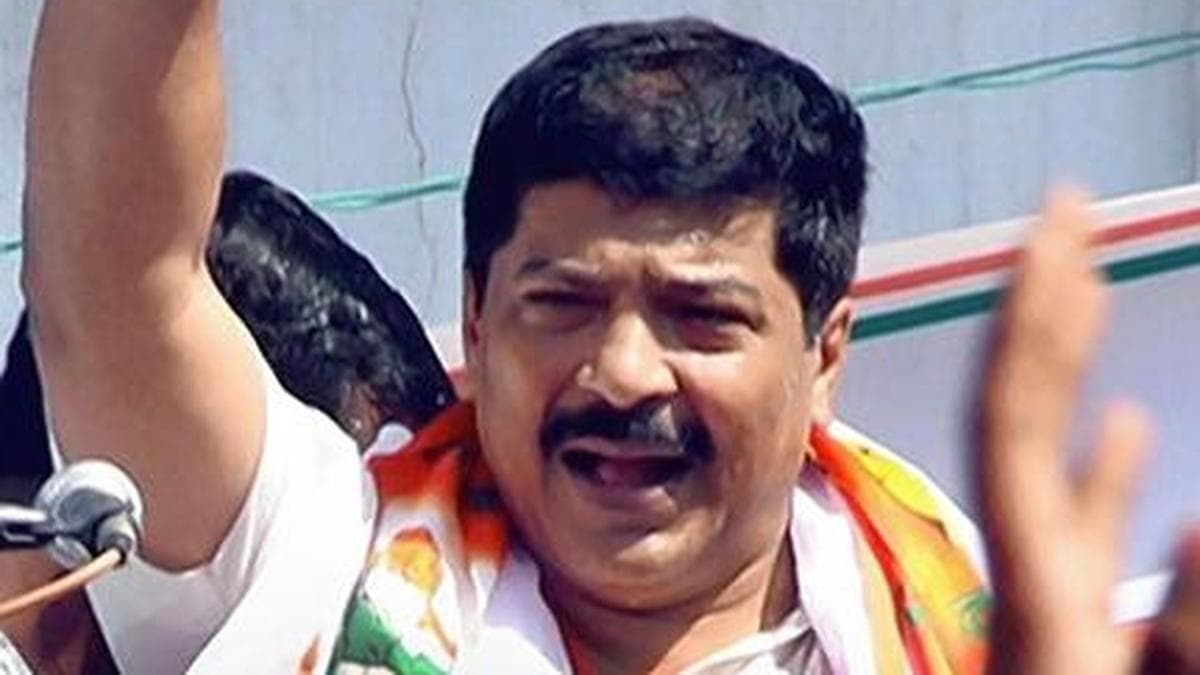
Sudip Roy Barman, a prominent Congress MLA, has called the government's actions “suspicious,” hinting at potential financial corruption lurking behind the scenes. Barman stated, “If these were reputable institutions, we would have no reason to oppose their establishment.” His concerns reflect a growing unease among citizens regarding the integrity of educational institutions in Tripura.
Adding to the controversy, Jitendra Chowdhury, the leader of the opposition, has provided alarming details about the universities' legitimacy. He revealed that the contact information for one institution pointed to a plywood factory, raising serious questions about the credibility of the applicants. Chowdhury emphasized that the government must prioritize the welfare of students and ensure that educational institutions are genuine and well-regulated.
The three universities introduced by the treasury bench have drawn skepticism for several reasons: - Science Technology and Allied Skill University: Originating from a small educational consultancy in rural Uttar Pradesh. - Atal Behari Vajpayee Skill University: Linked to a lesser-known institution located in Sikkim. - International University: Allegedly located in Churachandpur, Manipur, which has been banned by the Manipur government due to its dubious nature.
Critics argue that none of these institutions are recognized by the University Grants Commission (UGC), which raises significant concerns about their ability to provide quality education.
In light of these revelations, Chowdhury and Barman have demanded that the newly proposed bills be reviewed by a select committee to ensure public accountability. Chowdhury stated, “We are not against expanding educational opportunities in Tripura, but this must be done transparently and with proper oversight.” He also hinted at the introduction of another bill for a “Dhanvantari University” in the upcoming session on March 23, 2026, urging the government to prioritize integrity in its educational expansion plans.
The implications of this controversy extend beyond the immediate political fallout. The establishment of potentially fraudulent universities could undermine public trust in the educational system and harm students who invest their time and resources in seeking legitimate qualifications. As these institutions may offer subpar education, students could find themselves unprepared for the job market, facing a future that is even more uncertain.
This situation highlights the critical need for transparency in educational governance, especially regarding private institutions. The Tripura Government's actions could set a precedent for similar policies in other states, further complicating the national educational landscape. The opposition's insistence on rigorous checks and balances reflects a broader concern about the quality of education available to young people in India.
As the situation develops, all eyes will be on how the Tripura Government responds to the mounting pressure from opposition parties and public outcry. Will they heed calls for transparency and accountability, or will they persist in their current trajectory? The forthcoming legislative session on March 23 will be pivotal in determining the fate of these proposed universities and the future of higher education in Tripura.
The education sector is at a crucial juncture, and the decisions made in the coming weeks will not only affect current students but also shape the educational landscape for generations to come. Stakeholders, including parents, students, and educators, must remain vigilant and advocate for their rights to quality education.
In conclusion, the controversy surrounding the establishment of these private universities in Tripura serves as a wake-up call for all states to ensure that educational integrity is upheld, thereby protecting the future of their students.

Tensions soar as the US and Iran engage in air strikes near the Strait of Hormuz, raising concerns over global oil supply and regional stability.
BBC World
Trump's international interventions face serious stalemates. What will this mean for U.S. foreign policy? Explore the critical challenges ahead.
Indian Express
Tehran denies resignation of President Masoud Pezeshkian amid claims of IRGC influence. What does this mean for Iran's political stability? Click to learn more!
Indian Express