
Image: BBC World
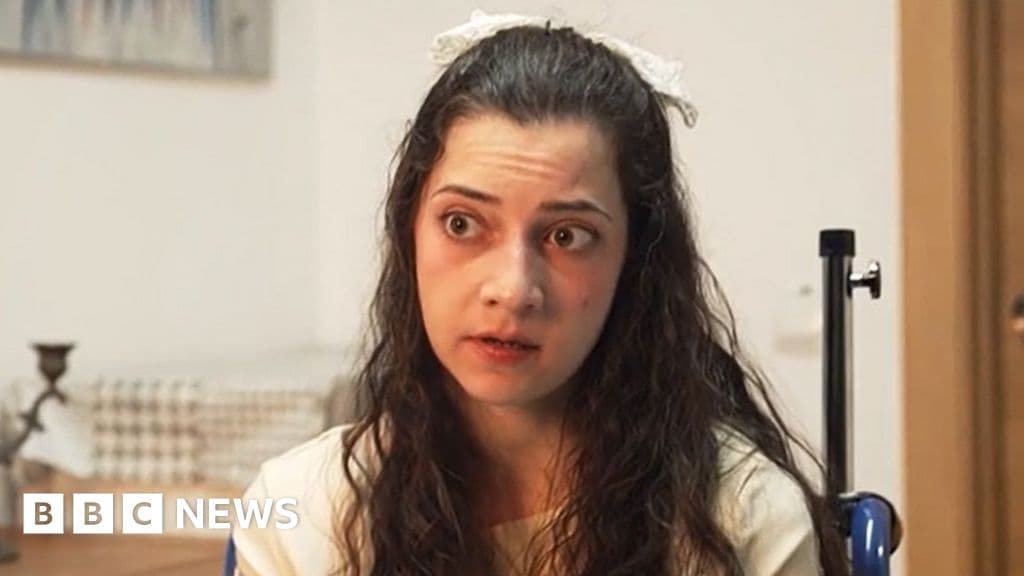
The death of Noelia Castillo has ignited a national debate on euthanasia laws and state responsibilities in Spain. What will happen next?
GlipzoThe tragic story of Noelia Castillo, a 25-year-old Spanish woman who chose euthanasia, has ignited a fierce debate over the responsibilities of the state regarding care for individuals in distress. Noelia died on Thursday evening in a hospital in Barcelona after a prolonged struggle for the right to end her suffering. This case has raised significant questions about the adequacy of mental health support and the legal processes surrounding euthanasia in Spain.
Noelia's journey to this heartbreaking decision began with a series of traumatic experiences, including a life-altering accident in 2022 that left her paraplegic. In the aftermath of her injury, she faced not only physical challenges but also emotional turmoil stemming from her past, including sexual assault and familial issues, particularly with her father. Despite achieving legal permission for assisted dying from the Catalan government in 2024, her father’s objections, supported by the controversial group Christian Lawyers, delayed the process significantly.
The legal wrangling surrounding Noelia’s case lasted 18 months, culminating in a ruling from the European Court of Human Rights (ECHR) just days before her death. Critics of the legal system have voiced concerns about how such a lengthy process could exacerbate the suffering of individuals in desperate situations. The case has not only captured the public’s attention but has also become a focal point for discussions on euthanasia laws in Spain.
In her own words, Noelia expressed a profound desire for peace, stating in a recent interview, "I want to go in peace now and stop suffering." This poignant statement underscores the emotional and psychological toll that her situation had taken on her. Despite her mother’s presence in the final days, Noelia felt isolated in her decision, revealing that her family did not support her choice for euthanasia.
Following Noelia's passing, various groups have highlighted the failures of the Spanish healthcare system and the legal obstacles she faced. José María Fernández, representing Christian Lawyers, lamented that the only option offered to her was death, criticizing the system for not providing adequate care. Meanwhile, Alberto Núñez Feijóo, leader of the opposition People's Party (PP), expressed outrage, stating that institutions meant to protect citizens failed Noelia at a critical time.
The Catholic Church echoed similar sentiments, reflecting on the broader issues of personal suffering and institutional shortcomings that contributed to Noelia's tragic end. Comments from political figures and activists have pointed out that her right to choose was obstructed by her father's legal challenges, emphasizing the need for systemic reform in the way such sensitive issues are handled.
Spain's euthanasia law, enacted in 2021, allows adults over 18 to request assisted dying under specific conditions, including suffering from an incurable illness or a serious, chronic condition. The law mandates that requests must be made freely, without external pressure, and verified by multiple healthcare professionals. Noelia's case has drawn attention to the complexities and potential loopholes within this legislation, raising questions about the efficiency of its implementation.
Alberto Ibáñez, a member of Congress for the leftist Sumar party, remarked that 19 doctors supported Noelia's decision, advocating for respect towards her choice despite the contentious nature of euthanasia. Supporters argue that the emotional distress associated with her prolonged suffering should have been sufficient grounds for expedited assistance in her case.
The controversy surrounding Noelia Castillo's euthanasia raises essential questions about the moral and ethical responsibilities of the state in providing care for vulnerable individuals. Critics argue that the failure to offer adequate mental health support and timely access to euthanasia reflects a broader systemic issue in Spain's healthcare system. This case may prompt calls for reforms, not just in euthanasia laws but also in mental health resources and protective measures for individuals facing similar traumatic experiences.
As public discourse continues to evolve, Noelia's tragic story may serve as a catalyst for legislative change, compelling lawmakers to reconsider how they support individuals facing profound distress. The focus will likely shift towards ensuring that the rights of patients are not only recognized but also effectively facilitated within the existing legal framework.
In the wake of this tragic case, all eyes will be on the Spanish government and healthcare authorities as they respond to growing public demands for accountability and reform. Advocates for mental health and patient rights may rally to push for legislative changes aimed at streamlining the euthanasia process and enhancing support systems for individuals struggling with severe emotional pain.
The dialogue surrounding euthanasia is bound to intensify, reflecting broader societal values and the ongoing quest for compassionate care. As Spain navigates this complex issue, the legacy of Noelia Castillo could very well shape the future of euthanasia laws and patient rights within the country.
Shocking findings from Nottingham's maternity unit reveal a toxic culture and alarming neglect. What can be done to improve care? Discover the details.
BBC Health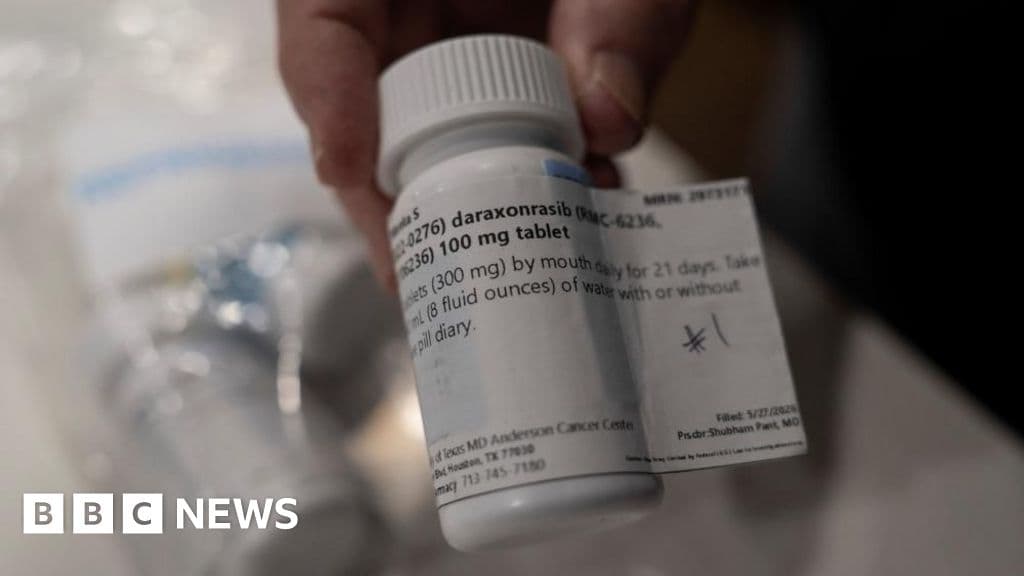
Discover how daraxonrasib, a new pill, is nearly doubling survival rates for pancreatic cancer patients, offering hope in a challenging battle against this deadly disease.
BBC Health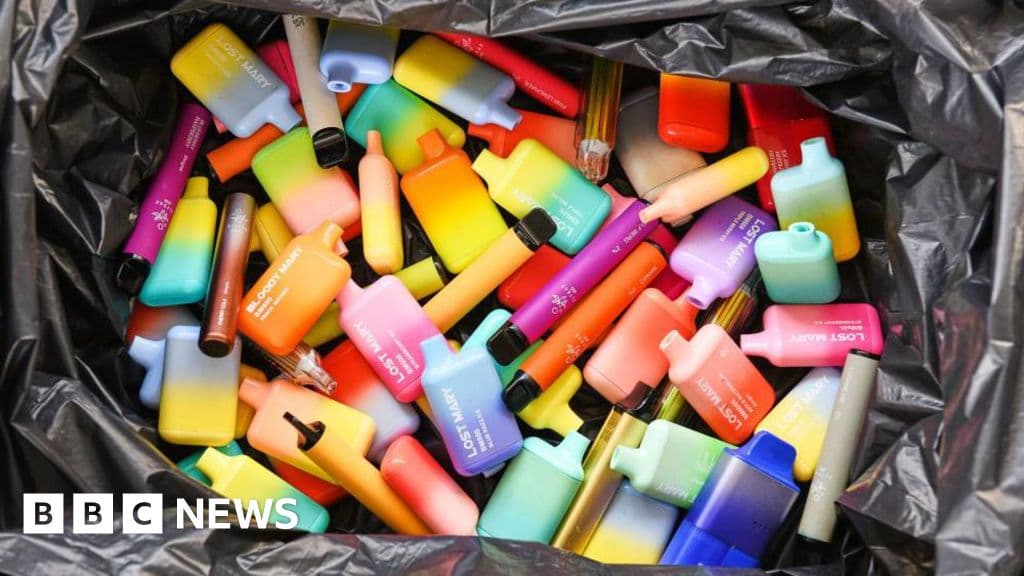
Waste companies propose a £5 deposit on vapes to encourage proper disposal and curb littering as the environmental impact of vapes increases.
BBC Business