
Image: BBC World
A Spanish woman's fight for euthanasia amidst family objections highlights critical issues of autonomy and mental health in the ongoing debate about assisted dying.
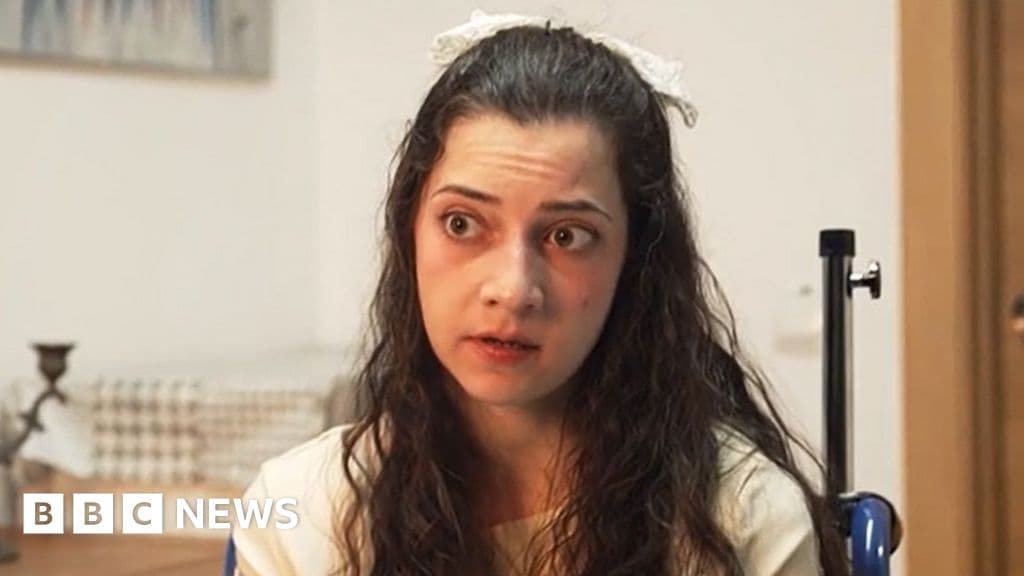
GlipzoIn a deeply poignant case that has captured international attention, Noelia Castillo, a 25-year-old woman from Barcelona, chose to end her life through euthanasia on Thursday. After a prolonged legal battle against her father's objections, Castillo's decision to opt for assisted dying follows years of suffering and trauma that ultimately left her paraplegic after a suicide attempt in 2022. This heartbreaking situation raises crucial questions about personal autonomy, mental health, and the legal landscape surrounding euthanasia in Spain.
Castillo’s story began in earnest when she sought the right to die with dignity, a request that was granted by the Catalan government in the summer of 2024. However, her father, supported by the conservative group Abogados Cristianos (Christian Lawyers), contested her decision, arguing that her mental health issues made her incapable of making such a choice. He expressed concerns about the state's responsibility to protect vulnerable individuals, particularly those facing mental health challenges. His appeal resulted in an 18-month legal struggle, culminating in a ruling from the European Court of Human Rights (ECHR) that ultimately sided with Castillo.
The legal proceedings surrounding Castillo's case have spotlighted the complexities of euthanasia laws in Spain. In 2021, the country enacted legislation allowing assisted dying under specific conditions. According to official data, 426 requests for assisted dying were approved in 2024 alone, indicating a rising trend in the acceptance of such measures. However, Castillo's case was particularly notable as it marked the first time a court was asked to adjudicate on an individual's right to die amidst significant familial opposition.
As the court battles progressed, Castillo openly discussed her struggles with mental health and the trauma of her past. In an interview with Spanish television just days before her passing, she recounted her feelings of isolation and despair, stating, "Nobody in my family is in favour. I am leaving and you are staying here with all the pain, but what about all the suffering I have endured over the years?" Her remarks shed light on the emotional turmoil she experienced, offering a glimpse into the mind of someone desperately seeking relief from prolonged suffering.
On the day of her euthanasia, Castillo expressed a desire for solitude during the procedure, wishing to be alone with her doctor when the lethal injection was administered. While her mother, Yolanda, publicly stated her disagreement with Noelia's choice, she also emphasized her respect for her daughter’s wishes. This nuanced family dynamic illustrates the often-painful intersection of personal autonomy and familial relationships in cases of assisted dying.
As news of Castillo's death spread, Abogados Cristianos released a statement on social media, asserting that her case underscores the significant flaws within Spain's euthanasia law. The organization has consistently opposed assisted dying, arguing that vulnerable individuals deserve protection rather than the option to end their own lives. This perspective adds another layer to the ongoing debate about the ethics of euthanasia and the rights of individuals to make decisions about their own existence.
The implications of Castillo's story extend beyond her personal tragedy; they touch on broader societal issues regarding mental health, autonomy, and the role of the state in safeguarding life. As Spain grapples with the complexities of euthanasia, Castillo's case poses critical questions about how society perceives suffering and the responsibilities that come with mental health challenges.
As Spain continues to navigate the complexities surrounding euthanasia, the fallout from Castillo's tragic decision will likely resonate within legal, medical, and social circles. Observers will be keen to see how her case influences legislation and public opinion on assisted dying, particularly in relation to the rights of individuals facing mental health challenges.
Moving forward, it is vital for stakeholders—be it lawmakers, healthcare professionals, or mental health advocates—to engage in meaningful dialogue about the implications of euthanasia laws. The ultimate goal should be to find a balance between respecting individual autonomy and ensuring adequate protection for those who are vulnerable.
In a world where personal suffering often intersects with legal and ethical dilemmas, Castillo’s story serves as a poignant reminder of the complexities of life, death, and the choices we make.
If you or someone you know is affected by issues surrounding mental health or suicidal thoughts, support is available through numerous organizations dedicated to providing help and guidance.
Shocking findings from Nottingham's maternity unit reveal a toxic culture and alarming neglect. What can be done to improve care? Discover the details.
BBC Health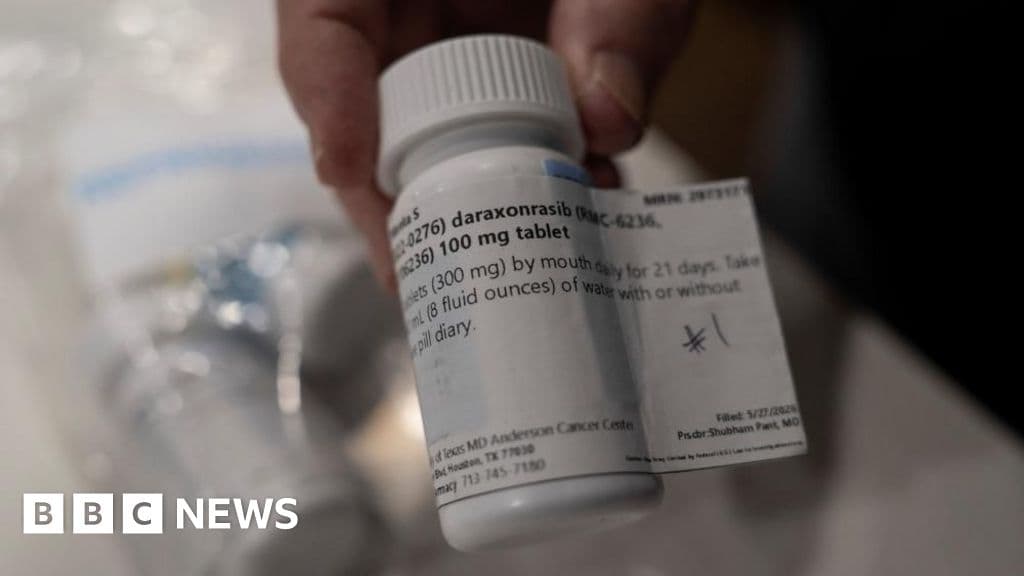
Discover how daraxonrasib, a new pill, is nearly doubling survival rates for pancreatic cancer patients, offering hope in a challenging battle against this deadly disease.
BBC Health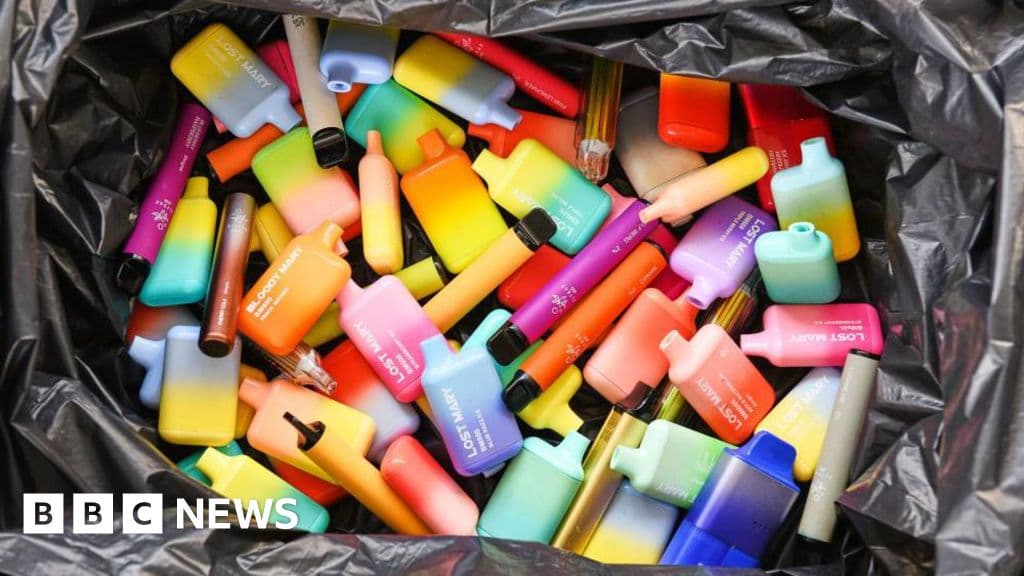
Waste companies propose a £5 deposit on vapes to encourage proper disposal and curb littering as the environmental impact of vapes increases.
BBC Business