
Image: BBC Health
Two young footballers' tragic deaths highlight urgent need for cardiac screening in the UK. Discover how families are advocating for change.
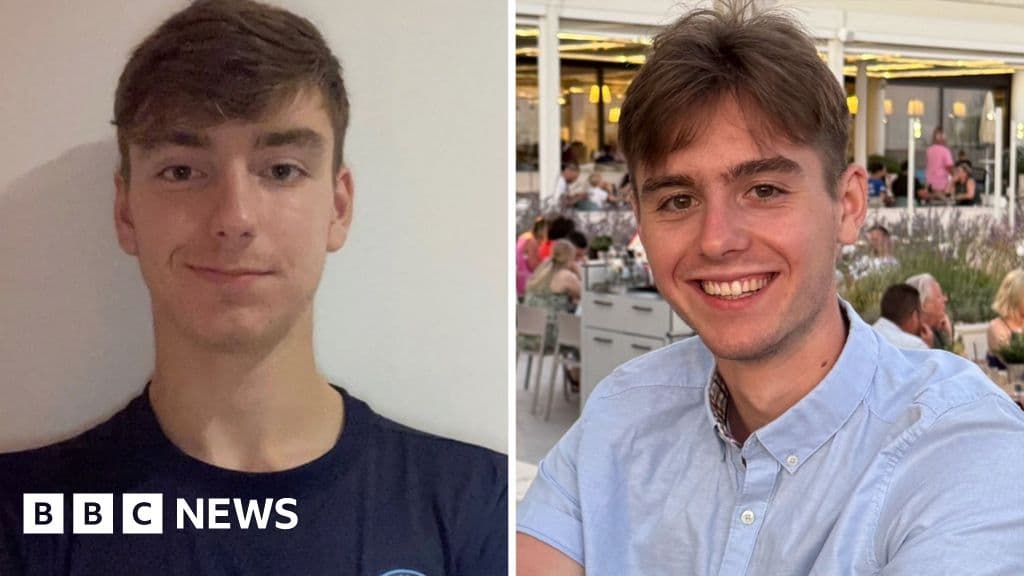
GlipzoIn a shocking reality, 600 young individuals under 35 succumb to sudden cardiac arrest each year in the UK, equating to about two lives lost every day. Among these tragic cases are 17-year-old Adam Ankers and 20-year-old Matthew Dunning, both vibrant football enthusiasts whose lives were cut short due to undiagnosed heart conditions. Their stories have ignited a crucial conversation around the need for enhanced cardiac screening and awareness programs aimed at preventing further tragedies.
Adam Ankers, an aspiring athlete, had a promising future in football. He played for Risborough Rangers before advancing to the Wycombe Wanderers under-19s team, all while pursuing a BTEC diploma in sport at Henley College. On January 31, 2024, during a match, Adam collapsed, reporting chest pains. Tragically, by the time paramedics arrived, he was already in critical condition. His father, Alastair Ankers, recounted that although a defibrillator was nearby, it was not used due to confusion and miscommunication among those present.
Adam's inquest revealed several missed opportunities that could have potentially saved his life. According to Alastair, paramedics found Adam “cold and blue,” with the defibrillator available but unconnected. The coroner's findings indicated that the failure to recognize Adam’s symptoms and the improper handling of the emergency response significantly contributed to his death.
Alastair expressed his deep frustration, stating, “He shouldn’t be dead. He was failed by the system.” This sentiment resonates with many as the NHS has reportedly known for a decade that their call handling system only picks up 75% of cardiac arrest cases. The coroner’s recommendations included mandatory training for all football coaches and referees at every level to ensure that such a tragedy does not recur.
In a parallel story, Matthew Dunning tragically passed away in September 2025, leaving his parents Marie and Simon Dunning grappling with grief and confusion. Their loss underscores the urgent need for a national cardiac screening program aimed at detecting potential heart issues in young athletes. The Dunning family has joined forces with the charity Cardiac Risk in the Young (CRY), advocating for increased funding and research into cardiac conditions that often go undiagnosed until it's too late.
Matthew's case, like Adam's, highlights a critical gap in medical awareness and communication. The Dunning family had no prior knowledge of any genetic heart conditions that might have affected Matthew, a situation that could have changed had there been better information sharing within families.
The loss of young lives to sudden cardiac arrest is a pressing public health issue. With rates of such incidents on the rise, it is essential to implement comprehensive solutions that can save lives. It is estimated that 12 to 13 young people die each week in the UK from similar conditions, which calls for immediate action from the community and health organizations.
Naomi Wakefield, Adam's mother, emphasizes the need for a coordinated approach, stating, “The more we train, the more people are aware of the situation happening up and down the country then we can all work together.” This call for unity is echoed by advocates across the UK as they push for changes that would equip more individuals with the knowledge and skills necessary to respond effectively in emergencies.
The South Central Ambulance Service has announced that protocols have been updated to ensure that individuals who collapse during sports activities are triaged as potential cardiac arrest cases. Basic life support instructions will now be provided, including the use of defibrillators when available. However, the real change must extend beyond mere policy adjustments.
It’s crucial for sports organizations, schools, and community groups to invest in training programs that educate coaches, referees, and the general public on recognizing the signs of cardiac distress and effectively using defibrillators. Such measures can empower communities to act swiftly and potentially save lives.
As we move forward, the focus must remain on advocacy, education, and systemic changes that ensure every young athlete has access to the necessary screenings and support. The tragic stories of Adam Ankers and Matthew Dunning serve as stark reminders of the urgent need for action and awareness in combating the silent threat of undiagnosed heart conditions among youth.
In conclusion, while the heartache of losing a child to sudden cardiac arrest is unbearable, the push for increased education, awareness, and a national cardiac screening program can pave the way for a future where fewer families experience such devastating losses. The time to act is now—every young life matters, and together, we can strive to prevent these tragedies from happening again.

Shocking findings from Nottingham's maternity unit reveal a toxic culture and alarming neglect. What can be done to improve care? Discover the details.
BBC Health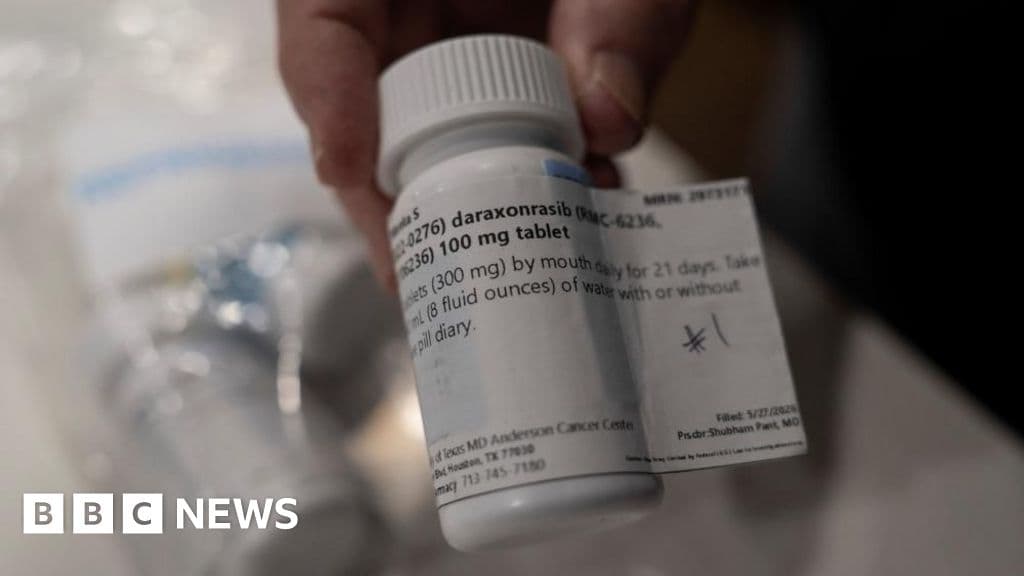
Discover how daraxonrasib, a new pill, is nearly doubling survival rates for pancreatic cancer patients, offering hope in a challenging battle against this deadly disease.
BBC Health
Waste companies propose a £5 deposit on vapes to encourage proper disposal and curb littering as the environmental impact of vapes increases.
BBC Business