

Image: Indian Express
Prateek Yadav's shocking death from pulmonary embolism highlights the urgent need to understand this often-overlooked medical condition. Discover what you need to know.
GlipzoThe recent passing of Prateek Yadav, a fit 38-year-old and son of the Samajwadi Party founder Mulayam Singh Yadav, has drawn attention to a serious medical condition known as pulmonary embolism. His untimely death highlights the urgency of understanding this often-overlooked health risk.
Pulmonary embolism occurs when a blood clot blocks one of the arteries in the lungs. This condition can lead to severe complications, including sudden death. According to Dr. Nishith Chandra, principal director of cardiology at Fortis Escorts Heart Institute in New Delhi, this situation is akin to a traffic jam on a crucial highway in the body. “Because the lungs are essential for oxygenating blood, even a single significant clot can precipitate a collapse of bodily functions,” he explains.
Understanding the mechanics of the circulatory system is vital for grasping how rapidly pulmonary embolism can develop. The heart beats approximately 60 to 70 times per minute, circulating around five to six liters of blood through the body. When blood returns from the body, it enters the right side of the heart, which then pumps it through the pulmonary arteries to the lungs. Here, carbon dioxide is expelled, and oxygen is absorbed before this oxygen-rich blood returns to the left side of the heart and is circulated throughout the body.
When a clot obstructs a pulmonary artery, this oxygenation process is interrupted. Blood cannot reach parts of the lung, oxygen levels plummet, and the heart faces overwhelming resistance. A large enough clot can lead to right heart failure within minutes, making prompt recognition vital.
Most pulmonary embolisms originate from deep vein thrombosis (DVT), where clots develop in the deep veins of the legs, pelvis, or sometimes the arms. These clots can break loose and travel through the venous system, eventually lodging in the pulmonary arteries. The risk factors for DVT include: - Prolonged immobility due to illness, surgery, or long flights. - Dehydration, which can thicken blood and encourage clot formation. - Conditions that slow blood flow in the legs.
Despite being fitness-conscious, Prateek Yadav's case illustrates that physical activity alone does not guarantee protection against blood clots. Several lifestyle factors can increase the risk: - Dehydration from intense workouts, excessive sweating, or inadequate fluid intake can lead to thicker blood. - The misuse of anabolic steroids or other performance-enhancing substances can alter clotting mechanisms and increase blood viscosity. - High-protein diets combined with stimulant-heavy pre-workout supplements can also raise the risk of clot formation.
While regular exercise typically lowers the chances of developing clots, it is essential to approach fitness safely and mindfully.
Pulmonary embolism can manifest abruptly, with symptoms that may include: - Sudden shortness of breath - Chest pain - Rapid heartbeat - Sweating - Dizziness - Bluish lips or skin
In cases of massive embolisms, death can occur almost instantaneously. Conversely, smaller clots may present warning signs in the days leading up to a serious event, such as: - Unexplained shortness of breath - Calf pain or swelling - Unusual fatigue - Mild chest discomfort
These initial symptoms are often misinterpreted or overlooked, leading to delayed medical intervention.
Understanding pulmonary embolism is crucial for recognizing the signs and symptoms that could save lives. Prateek Yadav's tragic death serves as a stark reminder of the hidden dangers that can lurk even in the most health-conscious individuals. With increasing awareness about this condition, it is essential to advocate for preventive measures and timely medical attention.
Moving forward, it is imperative for healthcare professionals to educate patients about the risks of pulmonary embolism, especially concerning lifestyle choices and physical activity. Awareness campaigns and regular health screenings can play a vital role in early detection and prevention. Furthermore, individuals should be encouraged to maintain adequate hydration, avoid prolonged immobility, and consult healthcare providers before using performance-enhancing substances.
As we reflect on the circumstances surrounding Prateek Yadav's passing, it becomes clear that understanding and addressing the risk factors associated with pulmonary embolism can be life-saving. By fostering a culture of awareness and proactive health management, we can help prevent such tragedies in the future.

Shocking findings from Nottingham's maternity unit reveal a toxic culture and alarming neglect. What can be done to improve care? Discover the details.
BBC Health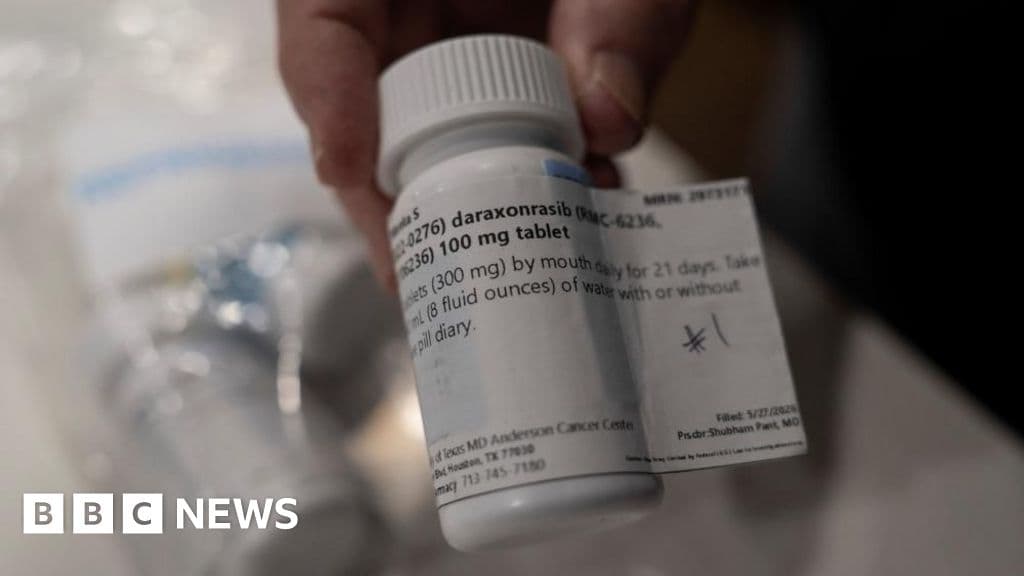
Discover how daraxonrasib, a new pill, is nearly doubling survival rates for pancreatic cancer patients, offering hope in a challenging battle against this deadly disease.
BBC Health
Waste companies propose a £5 deposit on vapes to encourage proper disposal and curb littering as the environmental impact of vapes increases.
BBC Business