
Image: Indian Express
TISS's new Vice Chancellor defends its reputation amid government oversight, emphasizing academic freedom and collaboration in the face of stereotypes.
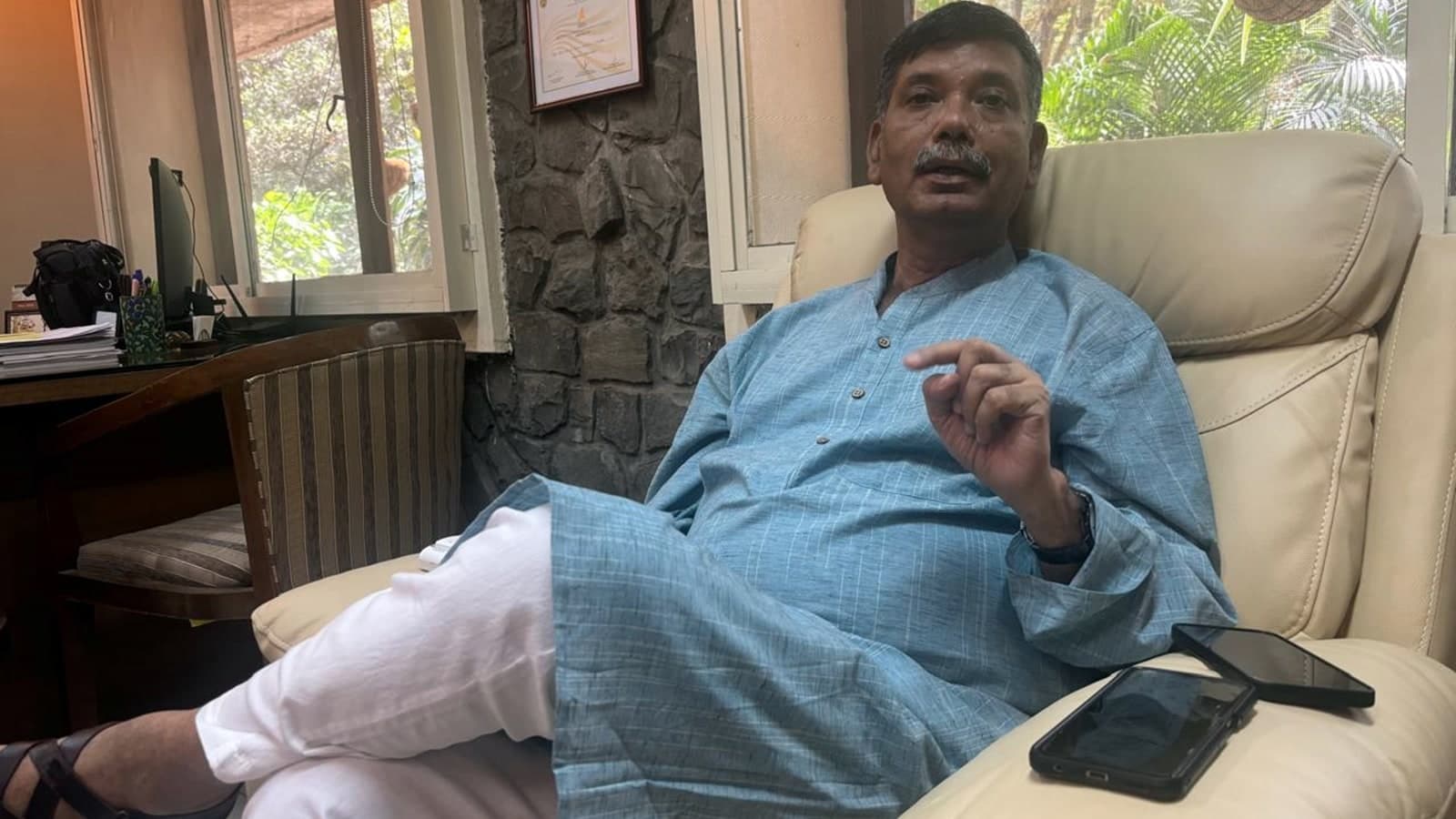
GlipzoThe Tata Institute of Social Sciences (TISS) is embarking on a transformative journey as it adapts to new governance structures imposed by the Indian government. Professor Badri Narayan Tiwari, in his inaugural interview since assuming the role of Vice Chancellor in 2025, emphasized the need for TISS to transition from a traditional “Tata mode” to a more accountable framework that aligns with government expectations. Despite this shift, Tiwari reassured that academic freedom and open debate would continue to thrive at the campus.
In his conversation with The Indian Express, Tiwari addressed the persistent label of TISS as an “anti-government” institution—a stereotype he firmly disputes. He highlighted the institute’s extensive history of collaboration with various governments across the political spectrum, contributing to research, policy-making, and social development initiatives. Tiwari’s arrival marks a significant change, as he is the first full-time Vice Chancellor appointed under the revised governance framework established in 2023, which expanded governmental influence over TISS.
The restructuring of TISS governance came about when the Centre revised regulations regarding deemed universities that receive over 50% of their funding from the government. This revision allows the government to appoint Vice Chancellors and senior officials, which has led to a notable shift in how TISS operates. Tiwari articulated that the institute must embrace this new accountability while maintaining its foundational principles of research and academic engagement.
TISS was founded in 1936 by the Sir Dorabji Tata Trust and has garnered a reputation for its focus on social sciences and field research. However, over the past decade, it has often found itself at the nexus of ideological and political debates, leading to a perception of unrest and dissent on campus. Tiwari acknowledged the challenges he faced upon stepping into the role, particularly concerning leadership gaps and campus discontent.
During the interview, Tiwari addressed common misconceptions surrounding TISS, particularly the idea that it is a breeding ground for dissent and anti-government sentiment. He stated, “There are a lot of stereotypes about TISS, starting from how this is home to a particular ideology... But this is all untrue.” He emphasized that TISS has a long-standing commitment to facilitating the nation's development through unbiased research and policy input, regardless of the political party in power.
Key points from Tiwari's insights include: - Engagement over Opposition: Tiwari believes that constructive criticism should come with actionable suggestions. He stresses that universities should focus on academic engagement rather than mere political rhetoric. - Unique Educational Model: TISS stands out for its model that integrates teaching, research, and fieldwork, fostering a collaborative environment among faculty and students. - Diversity of Thought: Tiwari noted that the institute's student body is diverse and reflects various national interests, which enriches the academic experience.
As TISS navigates this significant change under enhanced government oversight, the focus will be on maintaining its core mission while adapting to new governance structures. Tiwari's leadership will be vital in ensuring that the institute continues to engage meaningfully with the government while upholding its commitment to academic freedom.
In the coming months, stakeholders will be observing how TISS implements this balance. Key developments to watch include: - New Research Initiatives: With the government's support, TISS may expand its research initiatives to further address pressing social issues. - Strengthening Partnerships: The institute could strengthen collaborations with various government bodies to enhance its role in policy-making and social development. - Enhancing Academic Programs: Tiwari’s vision may lead to innovative academic programs that align with contemporary social challenges, ensuring TISS remains a leader in social science education.
The adjustments at TISS are not just administrative; they reflect the broader landscape of higher education in India and the increasing governmental influence over academic institutions. As TISS evolves, it serves as a critical example of how educational institutions can adapt to political changes while striving to maintain their core values. The outcomes of these changes will have significant implications for the future of academic freedom, research integrity, and the role of universities in societal development.
In summary, TISS's journey under Tiwari's leadership will be pivotal in shaping its identity as a respected institution of higher learning in India, navigating the challenges of modern governance while remaining committed to its foundational mission of social development and academic excellence.
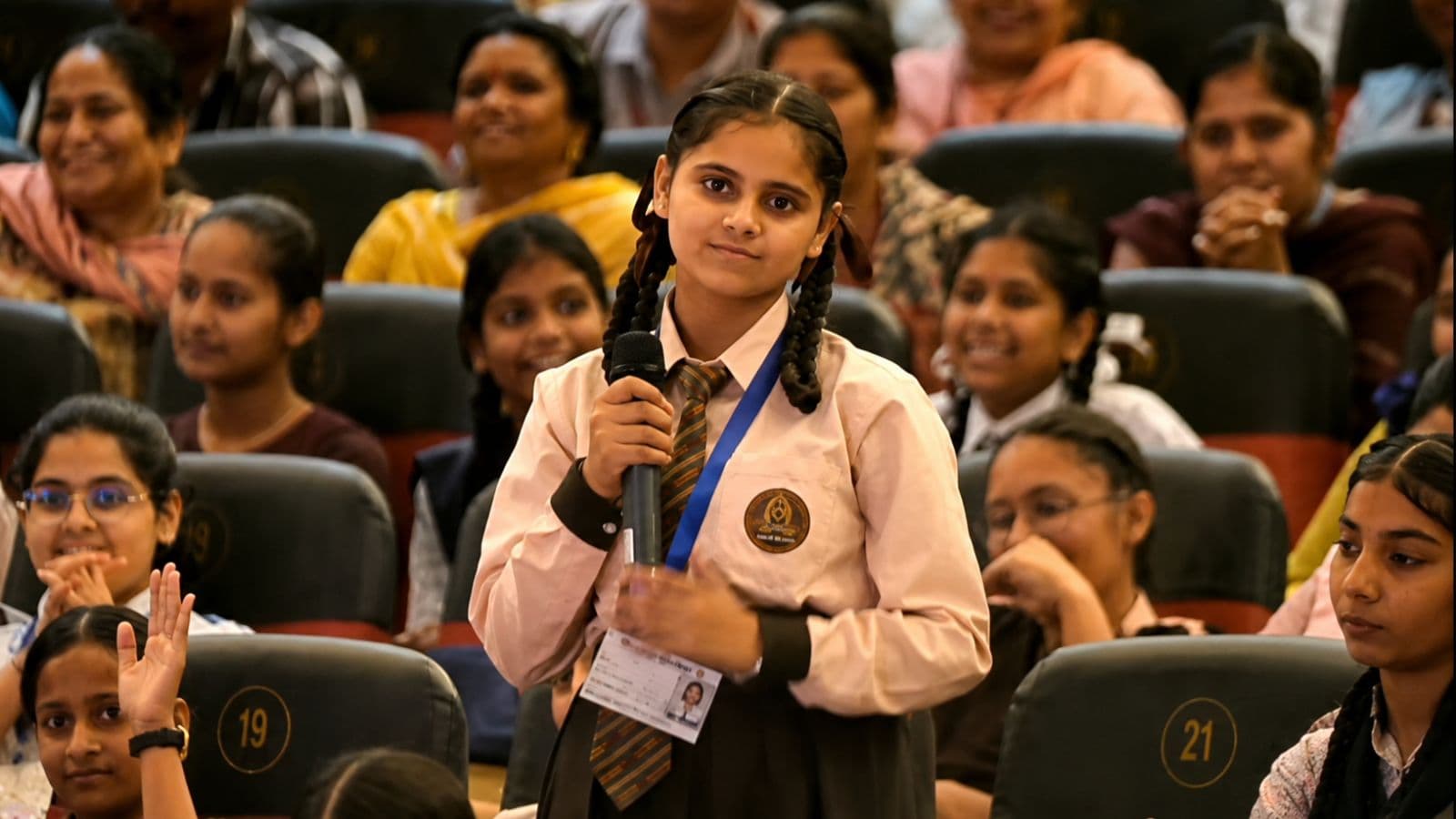
Amritsar student questions age-based ranking, prompting Punjab CM to reform PSEB policies. A significant change towards merit-based recognition is underway.
Indian Express
AP EAMCET 2026 results are out! Discover how to check your scorecard and navigate the upcoming counselling process for college admissions.
Indian Express
CBSE's new OSM system faces backlash as students struggle with re-evaluation. Will their futures be jeopardized by technical flaws?
Indian Express