
Image: Indian Express
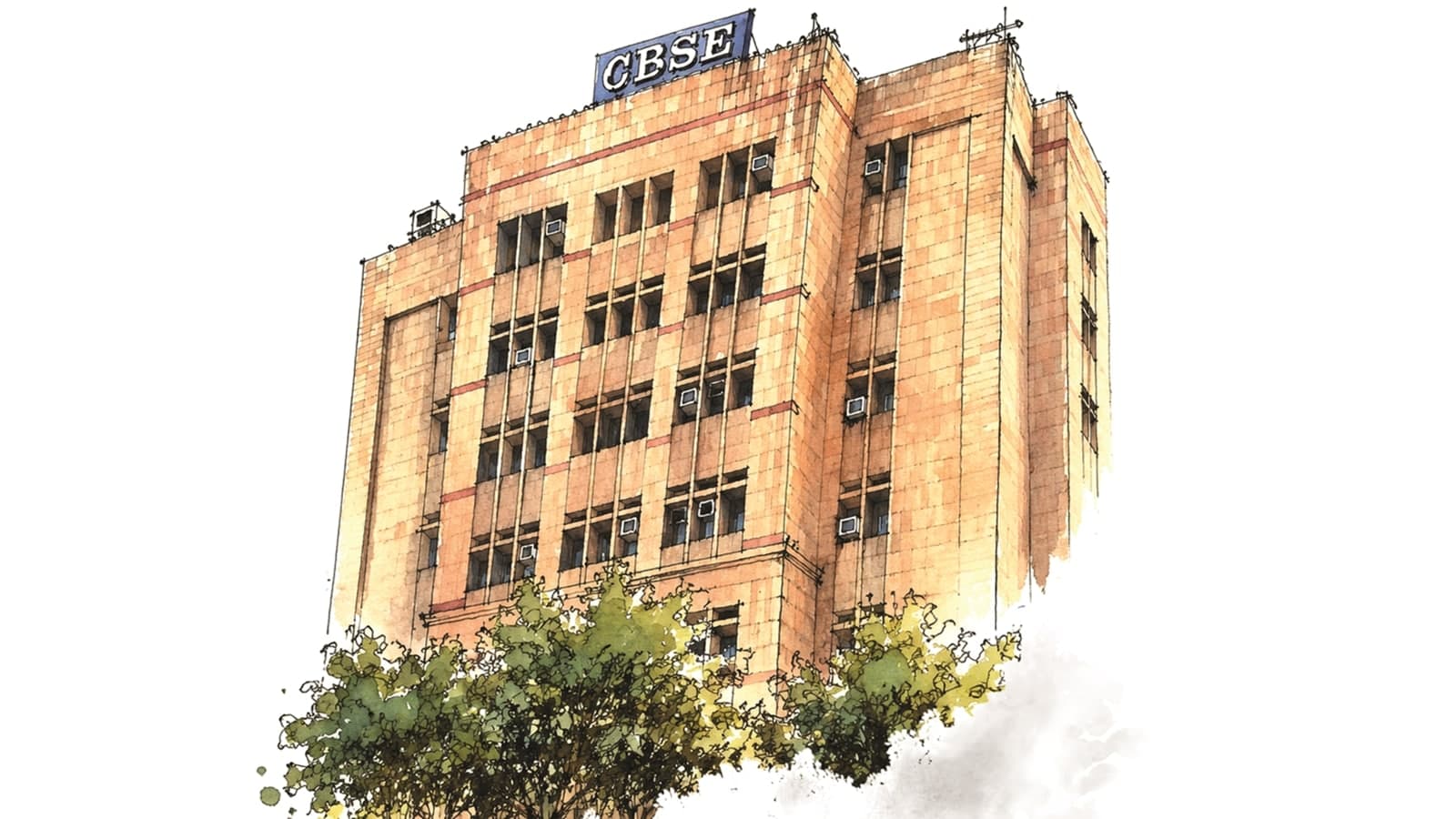
CBSE's new OSM system faces backlash as students struggle with re-evaluation. Will their futures be jeopardized by technical flaws?
GlipzoIn a surprising turn of events, 17-year-old Sachi, a diligent student from Delhi, found herself awake before dawn, desperately trying to access the Central Board of Secondary Education (CBSE) re-evaluation portal. This scenario unfolded earlier this month, as students nationwide faced significant challenges in accessing their scanned answer sheets following the Class 12 board examination results released on May 13. The website's consistent crashes only added to the frustration, forcing Sachi to hope that logging in at such an early hour would give her a better shot at success.
After several attempts, her strategy finally paid off. “It finally worked,” she recounted, having successfully accessed her scanned answer sheets. However, for many students like Sachi, the introduction of On-Screen Marking (OSM)—a digital evaluation system utilized for the first time this year—has raised considerable doubts about the accuracy of their results. With the new system still in its infancy, many students are questioning whether the scanned papers they received even belonged to them.
Kushal Jain, another 17-year-old student, faced his own ordeal while trying to obtain his Chemistry answer book. Despite scoring impressively in Physics and Mathematics with scores of 97 each, he was shocked to see a mere 79 in Chemistry. “I had expected a score above 95. When the results were declared, I assumed there had been a mistake,” he shared. However, his attempts to leverage the re-evaluation portal were met with repeated technical failures, further delaying the process as CBSE extended the re-evaluation deadlines.
On May 29, CBSE announced that the Post-Result Activities portal—designed for verification and re-evaluation—would officially open on June 1. They justified the delay as necessary for ensuring a “transparent and glitch-free process,” emphasizing their commitment to maintaining high evaluation standards. Meanwhile, students like Kushal are left in a precarious situation as the registration for the Joint Admission Counselling (JAC) in Delhi is set to close on June 9, just days after the counselling begins on June 2. The uncertainty leaves many in a state of limbo, pondering how their final scores might impact their college choices.
For aspiring engineers like Moksh Yadav, the stakes are incredibly high. A slight increase in marks can significantly alter eligibility for various programs, as many engineering colleges require a minimum of 75% in Class 12, alongside performance in entrance tests like the Joint Entrance Examination (JEE). Moksh experienced an unexpected shock when he reviewed his scanned English answer sheet, scoring only 33 out of 80.
“I remember using a supplementary sheet during the examination,” he said, bewildered by the unfamiliar handwriting and missing pages in the scanned document. Having anticipated a score in the 78-80% range, the shocking English mark drastically reduced his overall percentage. “I wasn’t expecting perfection. I just expected fairness,” he lamented.
Moksh aims to pursue a Bachelor of Management Studies at Delhi University and has also taken the Common University Entrance Test (CUET). “I did not get the marks for which I studied and wrote the examination… this could alter my chances to even qualify for JEE,” he expressed, highlighting the cascading impact of the evaluation errors on his future prospects.
After receiving a response from CBSE stating that no discrepancies were found in his re-evaluation complaint, Moksh turned to social media to express his discontent. This led to his family considering sending a legal notice to CBSE, with the potential action of approaching the Supreme Court if the matter remains unresolved.
The quick rollout of the OSM system has drawn criticism from various quarters, including educators and evaluators. Several principals and senior teachers have voiced concerns that the evaluation process was rushed, compromising the integrity of the results.
The situation surrounding CBSE's OSM rollout raises significant questions about the reliability of digital evaluation systems in academic settings. As students' futures hang in the balance, the flaws in this new approach could lead to broader implications for how educational institutions manage assessments and results in the digital age.
With college admission deadlines looming, students are feeling the pressure to ensure their scores are accurate and reflective of their hard work. This situation not only affects students' immediate academic futures but also sets a precedent for how educational evaluations might be handled in the future.
As we approach the official opening of the re-evaluation portal on June 1, all eyes will be on CBSE’s ability to resolve these technical issues swiftly and transparently. Students and parents alike are hoping for a fair process that rectifies any errors in a timely manner, allowing students to make informed decisions about their futures.
In a rapidly changing educational landscape, the effectiveness of CBSE's OSM system will be closely scrutinized, potentially influencing future implementations of technology in academic assessments. The outcomes of these re-evaluations will likely set significant precedents for the board's approach moving forward.
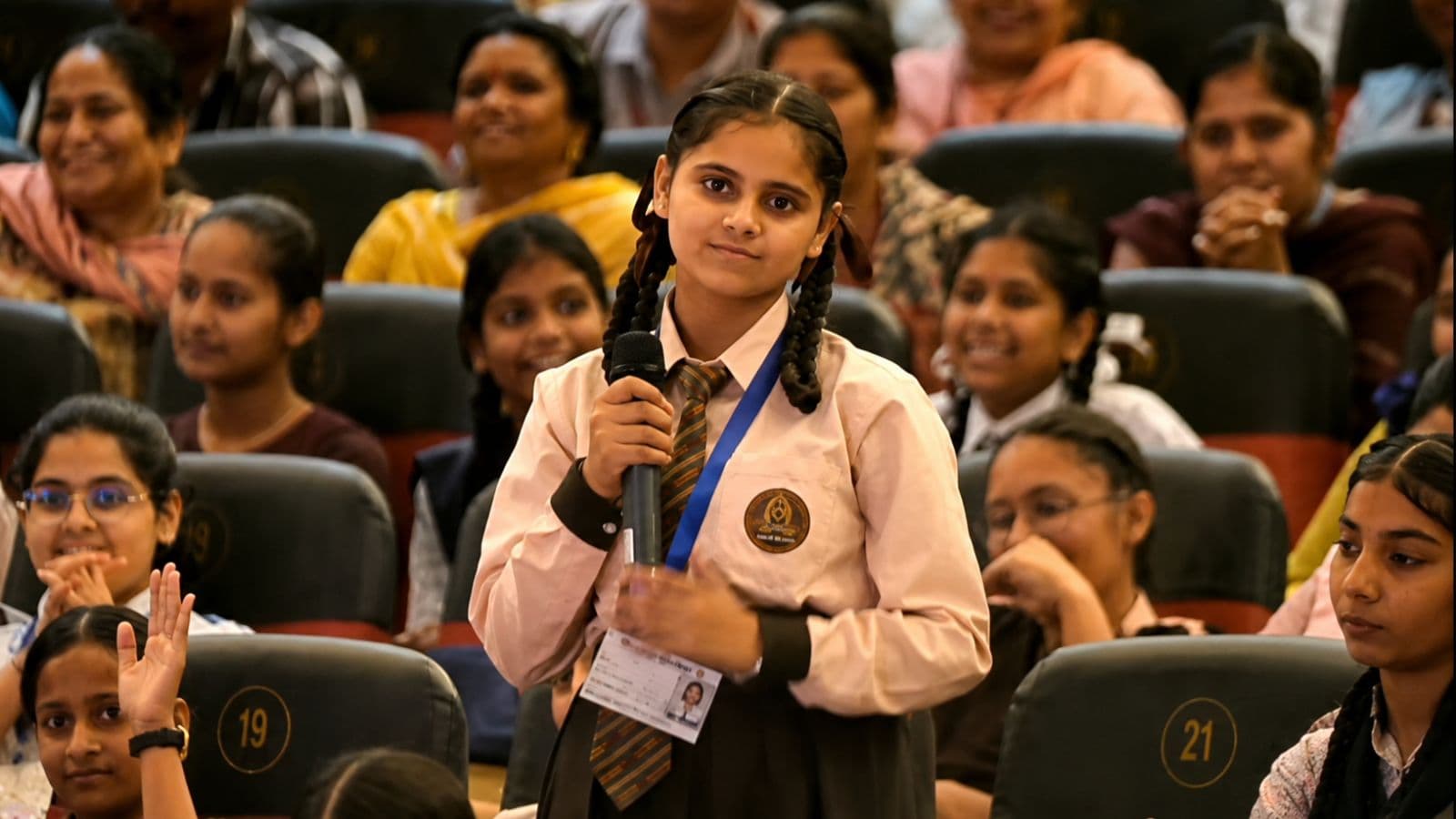
Amritsar student questions age-based ranking, prompting Punjab CM to reform PSEB policies. A significant change towards merit-based recognition is underway.
Indian Express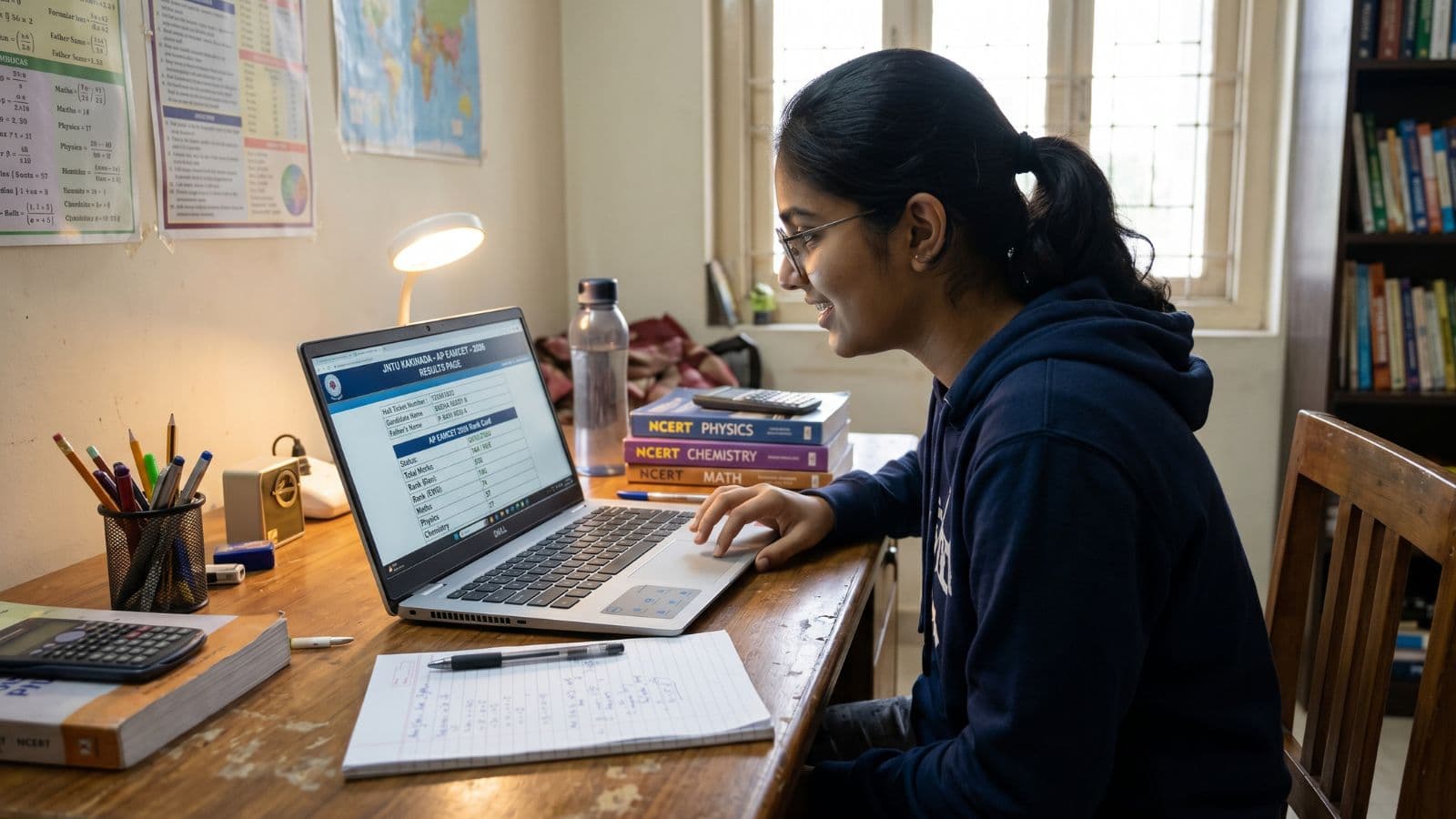
AP EAMCET 2026 results are out! Discover how to check your scorecard and navigate the upcoming counselling process for college admissions.
Indian Express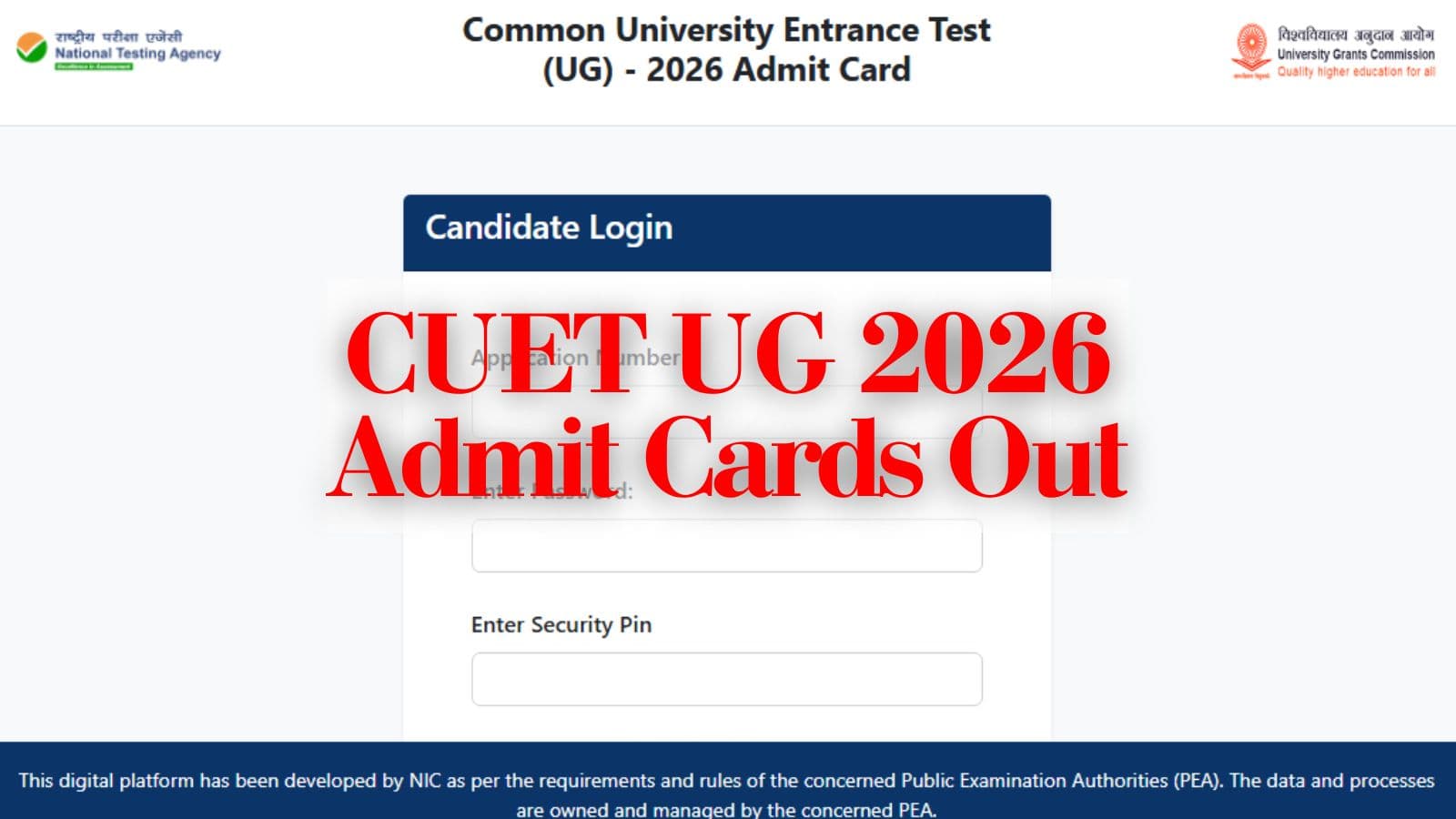
NTA has released admit cards for CUET UG 2026 rescheduled exam on May 31. Candidates can download them now at cuet.nta.nic.in.
Indian Express