
Image: Indian Express
Amritsar student questions age-based ranking, prompting Punjab CM to reform PSEB policies. A significant change towards merit-based recognition is underway.
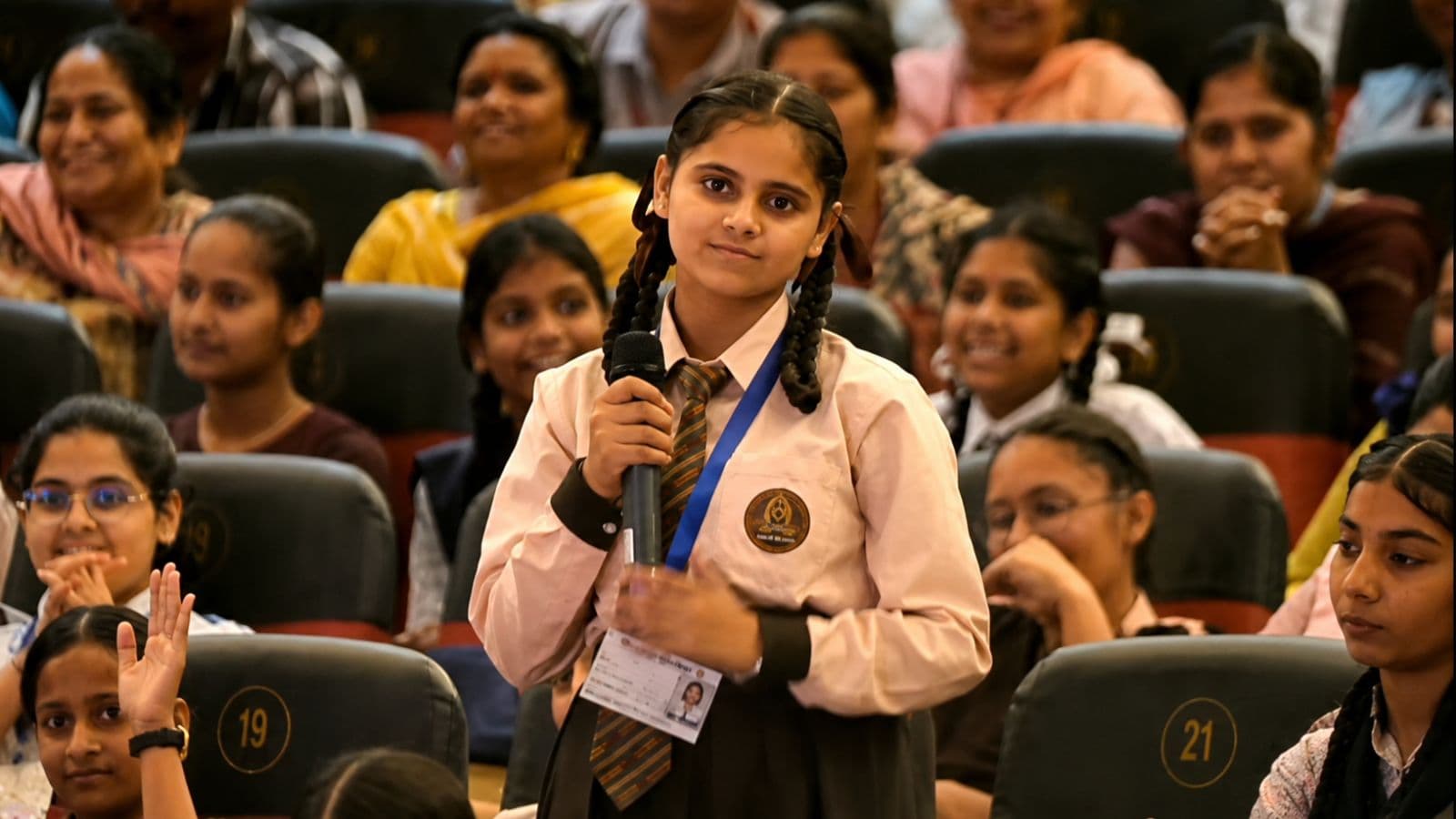
GlipzoIn a remarkable turn of events, Gagandeep Kaur, a class X topper from Amritsar, posed a thought-provoking question that prompted Punjab Chief Minister Bhagwant Mann to announce a significant policy shift regarding the ranking of students by the Punjab School Education Board (PSEB). This moment unfolded during an event called “Sitaare Zameen Par,” held in Chandigarh on Sunday, where PSEB toppers from classes 8, 10, and 12 were recognized.
The event, attended by Delhi's former education minister Manish Sisodia and Punjab education minister Harjot Singh Bains, provided a platform for students to voice their opinions on improving the education system. Gagandeep, along with her classmates Tanvir Kaur and Rajpreet Kaur, had all secured an impressive 98 percent in their Class 10 board exams. However, according to the current PSEB policy, the youngest among them was declared the district topper, raising questions about fairness and equality in the ranking system.
Gagandeep expressed her frustration candidly during the event, asking, "What’s the logic behind ranks based on age and not marks?" This poignant question struck a chord, especially since all three students had identical scores. Under the existing PSEB regulations, when students achieve the same marks, their ranks are determined by their age—favoring the youngest candidate. This policy left Gagandeep feeling overlooked, as only one of the students was honored on stage for a photograph with the Chief Minister.
Speaking to The Indian Express, she shared her sentiments: “I was hurt when only first rank holders were called on stage for a photograph with the CM. There has to be equality in ranks if marks are the same.” Her remarks not only highlighted a systemic flaw but also reflected a growing desire among students for a more equitable education system.
Upon hearing Gagandeep’s concerns, Chief Minister Mann responded affirmatively, indicating a willingness to reconsider the age-based ranking policy. He addressed the students, assuring them that the PSEB would no longer determine ranks based on age.
Mann instructed education department officials, including secretary Sonali Giri, to implement a new approach: students achieving equal marks should receive a joint first position, eliminating the age bias that previously dictated rankings.
In his words, “Now onwards, ranks will be decided on the basis of marks only, not age.” This statement marked a pivotal moment in Punjab’s educational policies, signaling a shift towards meritocracy.
The dialogue between Gagandeep and the chief minister encapsulates a vital moment in student advocacy. Gagandeep's assertion that she wants to “end the age difference” reinforces the need for educational reforms that prioritize student achievement over arbitrary metrics like age.
Sisodia, who was also present, praised Gagandeep's confidence in addressing the issues directly to the chief minister, emphasizing the importance of student voices in shaping educational policies. “I am so happy to see that our students are so confident enough that they have the guts to tell the chief minister on his face that ‘your system is wrong,’” he remarked, underlining the significance of such interactions.
The changes announced by CM Mann are a step towards ensuring fairness in the education system, reflecting a broader trend of prioritizing student performance over outdated traditions. Sukhwinder Singh, director of Gagandeep's school, expressed pride in her initiative, stating, “We are proud of our student who raised a valid point in front of the CM.”
The decision to eliminate age-based rankings is likely to resonate well with students and parents alike, fostering an environment where hard work and academic excellence are rewarded fairly.
As this policy change unfolds, it will be crucial to monitor how the PSEB implements these new guidelines. Will there be additional reforms aimed at creating an equitable educational landscape? How will schools adapt to this new ranking system, and what feedback will students provide as they experience these changes?
This development highlights the crucial role of student advocacy in shaping policies that directly affect their futures. The push for fairness in the education system is more than just a response to Gagandeep's question; it signifies a generational demand for equity and recognition based on merit. As we look ahead, it will be essential to remain engaged with these changes and continue to support students in voicing their concerns and advocating for a better education system.
Stay tuned for more updates on this evolving story as Punjab’s education system embraces a new chapter focused on fairness and meritocracy.
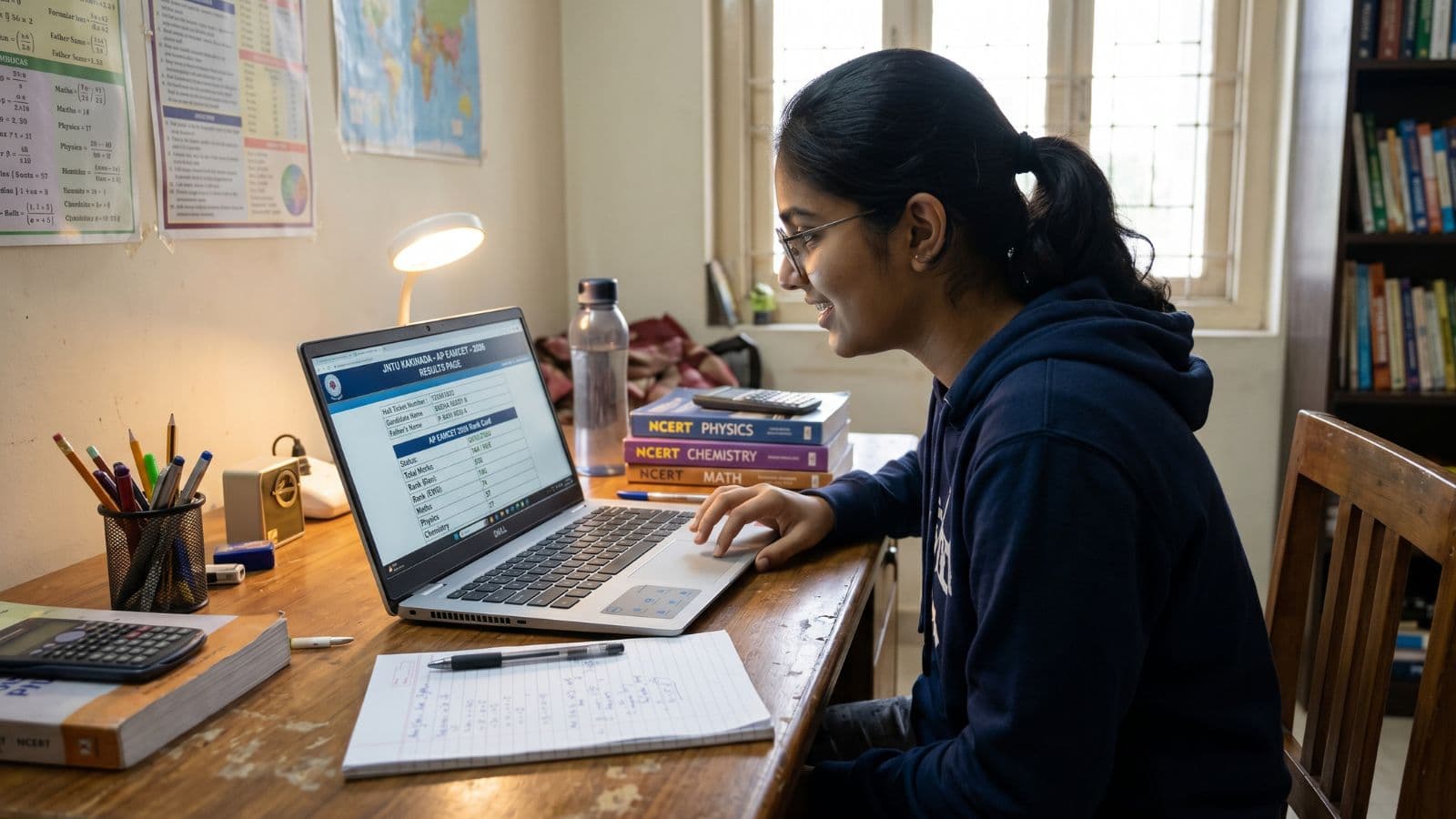
AP EAMCET 2026 results are out! Discover how to check your scorecard and navigate the upcoming counselling process for college admissions.
Indian Express
CBSE's new OSM system faces backlash as students struggle with re-evaluation. Will their futures be jeopardized by technical flaws?
Indian Express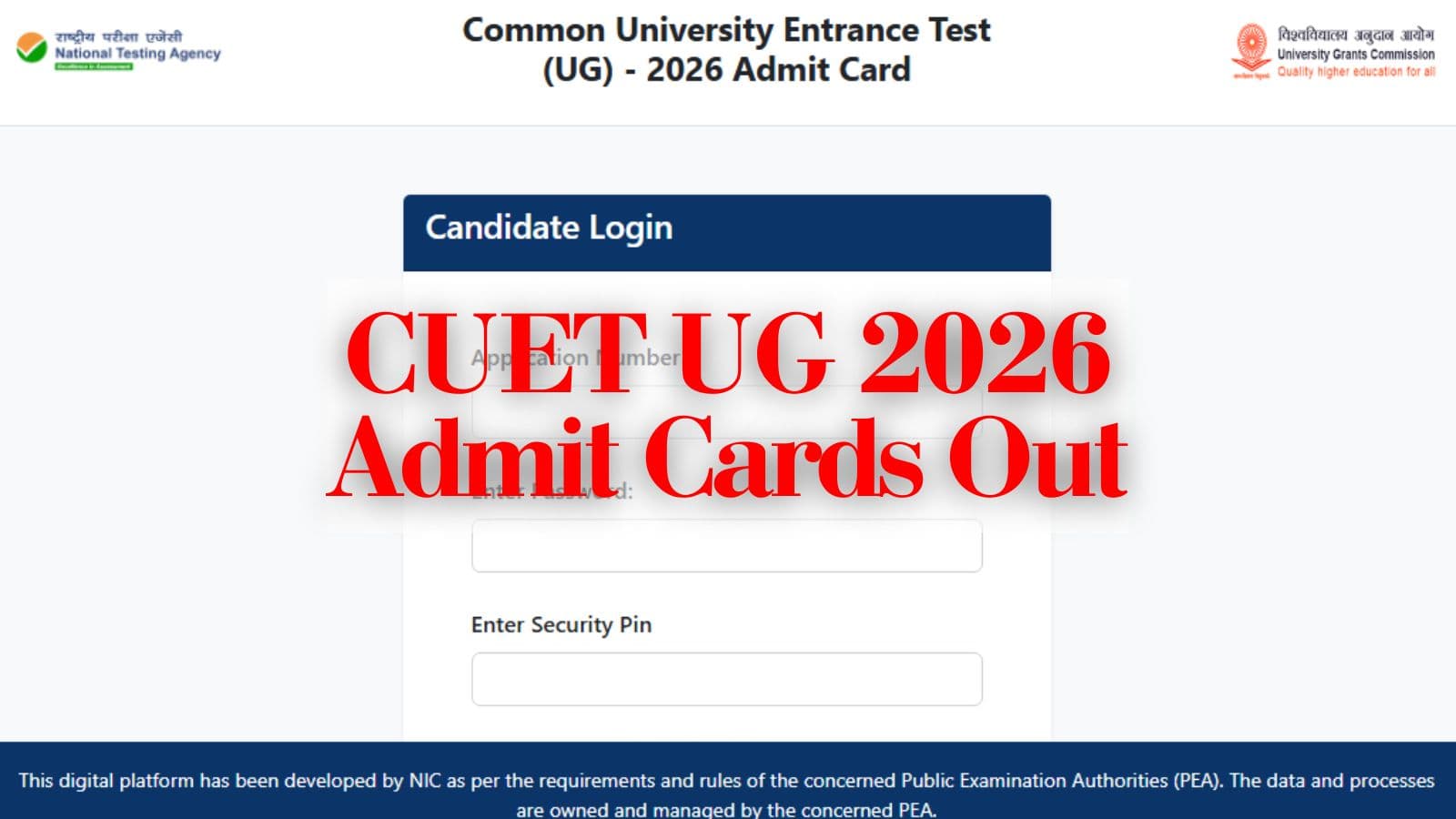
NTA has released admit cards for CUET UG 2026 rescheduled exam on May 31. Candidates can download them now at cuet.nta.nic.in.
Indian Express