
Image: Mint (Business)
Theodore Roosevelt's 1918 speech urges Americans to hold leaders accountable, emphasizing that blind loyalty is unpatriotic. Discover why this matters today.
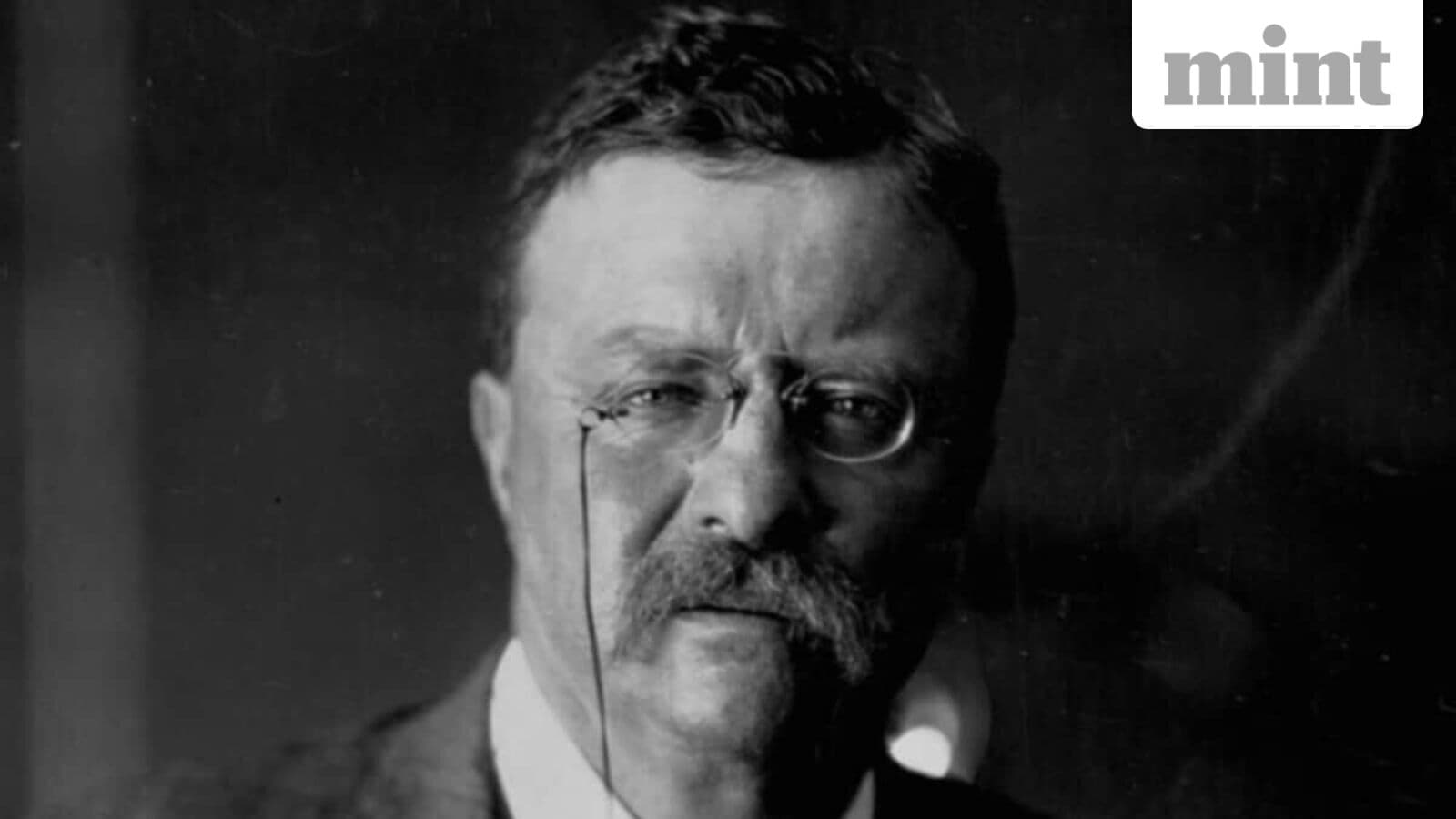
GlipzoThe words of Theodore Roosevelt, the 26th President of the United States, resonate with striking relevance today. During a speech on May 7, 1918, in Kansas City, Roosevelt emphasized the importance of holding leaders accountable, arguing that blind allegiance to a president—no matter their actions—is detrimental to democracy. His assertion that unwavering support for a leader is unpatriotic challenges citizens to engage in critical discourse about their government.
Roosevelt believed that honesty and accountability are cornerstones of a functioning democracy. Rather than fostering a culture of silence or unquestioning loyalty, he advocated for an environment where citizens feel empowered to express their concerns about presidential conduct. According to him, this is especially crucial given the immense power held by the office of the president, which directly influences the lives of millions.
Roosevelt's speech was not only a defense of democratic principles but also a pointed critique of then-President Woodrow Wilson. At that time, Wilson was facing scrutiny for his lack of decisive action regarding the United States' entry into World War I. Roosevelt accused him of failing to prepare the nation adequately for war, criticizing his rhetoric as impressive yet lacking in substance. This context highlights Roosevelt's belief that leaders must be held accountable to inspire genuine trust and progress.
His remarks underscore a larger theme in American politics—the necessity of dissent. Roosevelt articulated that citizens have a responsibility to speak out against governmental shortcomings, particularly when those in power exhibit moral failings or indecision. In his view, a healthy democracy is one in which the public actively engages with and critiques its leaders rather than remaining passive or overly submissive.
The significance of Roosevelt's message extends beyond his era. As a prominent figure in American history, he championed various progressive reforms, including the regulation of corporate monopolies and the establishment of national parks. His vigorous approach to governance illustrated the profound impact of strong leadership combined with moral accountability.
Key quotes from Roosevelt encapsulate his philosophy: - “The credit belongs to the man who is actually in the arena.” This famous assertion emphasizes the value of action over criticism. - “Speak softly and carry a big stick; you will go far.” Here, he underscores the importance of diplomacy backed by strength. - “In any moment of decision, the best thing you can do is the right thing.” This reinforces the necessity of decisive action in leadership.
Roosevelt's legacy as a war hero and reformer continues to influence political thought today. His life exemplifies the balance between authority and accountability, urging future leaders to prioritize the welfare of the nation over personal or political gains.
In an age where political polarization is rampant, Roosevelt's call for accountability is more relevant than ever. Citizens are encouraged to engage in dialogue, voice their concerns, and demand transparency from their leaders. The essence of democracy lies in the active participation of its citizens, and Roosevelt's thoughts serve as a reminder of this responsibility.
As we reflect on Roosevelt's insights, it is essential to foster a political environment where accountability is prioritized. Citizens should remain vigilant and proactive in critiquing their leaders, ensuring that democracy does not falter under the weight of complacency.
The path forward requires a commitment to the principles that Roosevelt championed over a century ago. As political debates continue to evolve, the call for accountability must remain at the forefront of public consciousness. The ongoing challenges facing democracies worldwide underscore the urgency of Roosevelt's warning against uncritical loyalty.
In conclusion, as we navigate the complexities of contemporary governance, let us heed Theodore Roosevelt's timeless advice: to engage thoughtfully, to question boldly, and to uphold the democratic ideals that define our nation. Only through active participation can we hope to create a future where accountability is not just expected, but celebrated.
Stay tuned for more insights into political accountability and its implications for our society. As citizens, we must remain vigilant and engaged, ensuring that our democracy thrives through open discourse and mutual responsibility.

Tensions soar as the US and Iran engage in air strikes near the Strait of Hormuz, raising concerns over global oil supply and regional stability.
BBC World
Trump's international interventions face serious stalemates. What will this mean for U.S. foreign policy? Explore the critical challenges ahead.
Indian Express
Tehran denies resignation of President Masoud Pezeshkian amid claims of IRGC influence. What does this mean for Iran's political stability? Click to learn more!
Indian Express