
Image: BBC Health
Doctors' strikes in England reveal surprising benefits for the NHS, leading to faster care but raising questions about sustainability and future workforce training.
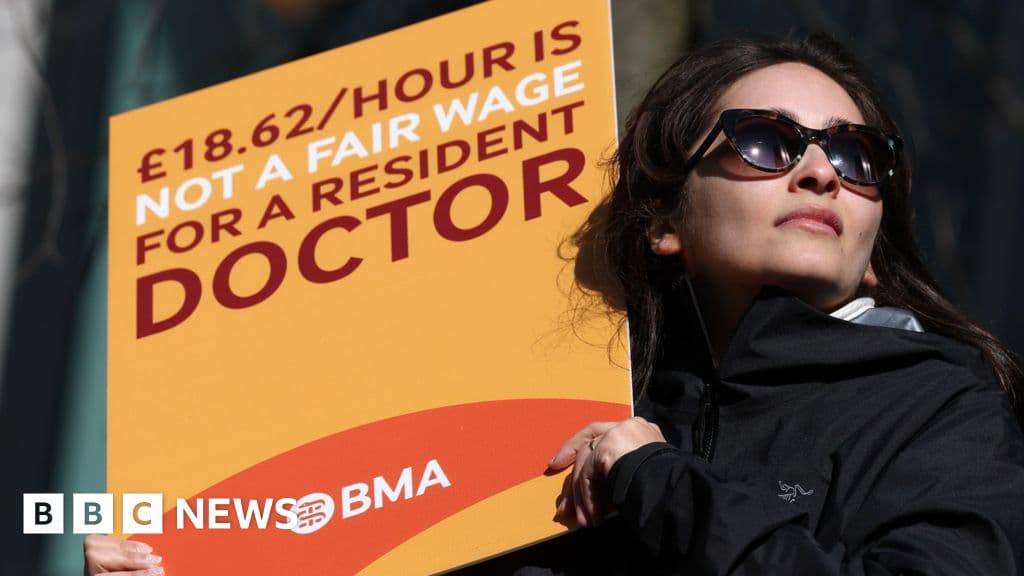
GlipzoIn a surprising turn of events, recent strikes by resident doctors in England have revealed potential benefits for the National Health Service (NHS). As health professionals walked out in December 2023, the anticipated chaos gave way to a more efficient system, prompting hospital leaders to reflect on the outcomes. A hospital chief executive noted, "We sighed with relief - strikes act like a firebreak," highlighting the unexpected advantages that arose during this period of unrest.
The five-day strike, involving around 25,000 doctors, coincided with the holiday season, raising concerns among ministers who labeled the action as "irresponsible and dangerous." However, hospitals experienced smoother operations, debunking fears of disorder and long waits. With evidence suggesting shorter patient waits and expedited decision-making, the question arises: can these outcomes be sustained, or are they merely a temporary fix?
During the strikes, many hospitals deployed senior doctors, including consultants, in frontline roles, particularly in Accident and Emergency (A&E) departments. This strategic move led to quicker assessments and reduced bed occupancy, which hospital leaders described as a "gift" before Christmas. For instance, at King's College Hospital, a study found that even with fewer staff on duty, patients were seen, treated, and discharged faster on strike days. Notably, there was no increase in mortality or readmission rates during this period.
The data revealed that the four-hour A&E target was met in 82% of cases during the strike at Royal Berkshire Hospital, a significant improvement from 73% the week prior. This trend suggests that the presence of experienced consultants may enhance patient outcomes, as they tend to make quicker, less risk-averse decisions.
Despite the positive outcomes, experts warn that the improvements observed during the strikes are not sustainable in the long term. Dr. Layla McCay, the director of policy at the NHS Alliance, pointed out that while the enhanced presence of consultants in A&E may lead to better patient experiences, it comes with considerable risks. On regular days, emergency departments are primarily staffed by early-career doctors who often require additional tests and consultations, which can elongate the patient care process.
Dr. Damian Roland from the University of Leicester highlights that the involvement of multiple doctors can slow down patient pathways. He noted, "The more doctors involved in a patient pathway, the longer everything takes," emphasizing the critical balance between immediate patient care and the ongoing need for training future healthcare professionals.
The British Medical Association (BMA) has raised concerns about the future of the healthcare workforce, noting that many trainee doctors are leaving the profession due to inadequate pay and challenging working conditions. Dr. Jack Fletcher from the BMA stated, "When the consultants of today retire, we have no one to replace them as [trainee doctors] have left due to a combination of inadequate pay and conditions, and a lack of jobs." This underscores the importance of sustaining a robust training program for future consultants to ensure the continuity of quality care.
Patients have reported varied experiences during the strike. Some expressed gratitude for the expedited care they received. One patient described her strike-day visit as "a blessing," while a mother noted that her son received the quickest treatment he had ever experienced due to the involvement of an experienced consultant. This feedback highlights the potential for improved patient experiences during periods of strike, but it also raises questions about what happens when the regular staff returns.
NHS England reported that thousands of patients were safely discharged before Christmas despite the strike. This was a testament to the successful management of patient flow, a crucial metric in hospital operations. Flow, in hospital terminology, refers to the efficient movement of patients from one area to another, ensuring timely treatment and improving overall patient experience.
As the dust settles from the recent strikes, the NHS must grapple with the implications of the findings. While the strike period yielded unexpected benefits, it is clear that these outcomes cannot be relied upon as a permanent solution. The ongoing challenge remains: how to balance immediate patient care with the training and retention of future medical professionals.
Healthcare leaders and policymakers must focus on addressing the root causes of dissatisfaction among trainee doctors, ensuring that the NHS can maintain a skilled workforce capable of delivering high-quality care in the long term. As discussions around healthcare reform continue, it is vital to monitor the impact of any changes to working conditions and training programs.
In conclusion, the recent doctors' strikes have opened a crucial dialogue about the efficiency of the NHS and the importance of sustainable practices. Moving forward, stakeholders must prioritize both immediate improvements in patient care and long-term strategies to cultivate a resilient healthcare workforce. The future of the NHS depends on it.

Shocking findings from Nottingham's maternity unit reveal a toxic culture and alarming neglect. What can be done to improve care? Discover the details.
BBC Health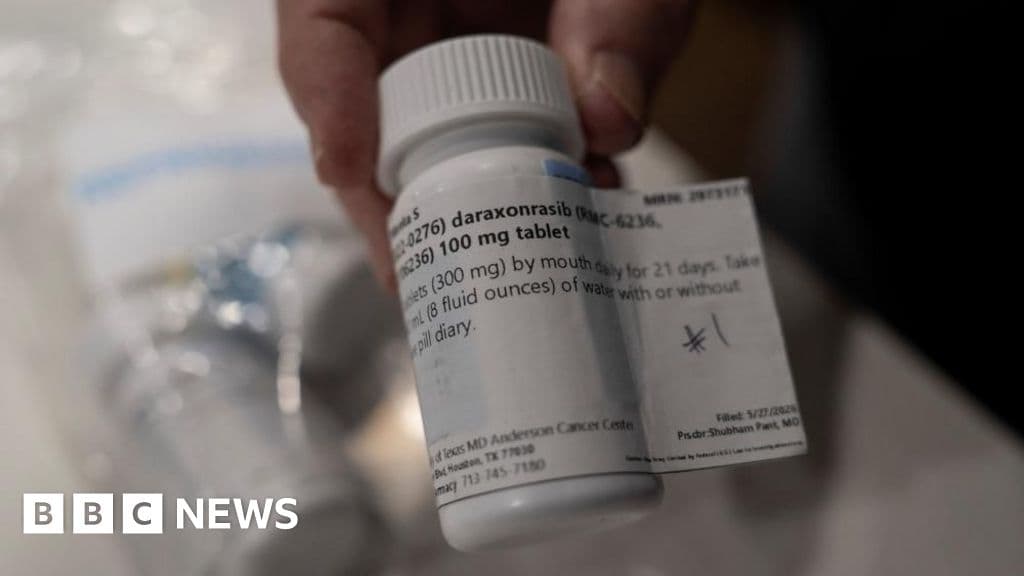
Discover how daraxonrasib, a new pill, is nearly doubling survival rates for pancreatic cancer patients, offering hope in a challenging battle against this deadly disease.
BBC Health
Waste companies propose a £5 deposit on vapes to encourage proper disposal and curb littering as the environmental impact of vapes increases.
BBC Business