
Image: The Hindu
Supreme Court upholds NIA probe into Beldanga violence, raising questions about UAPA's application. Key developments to watch on March 24.
GlipzoIn a significant legal development, the Supreme Court of India upheld the Calcutta High Court’s decision to not stay a National Investigating Agency (NIA) investigation into the violence that erupted in Beldanga, Murshidabad district of West Bengal earlier this year. This ruling was delivered on March 16, 2026, and underscores the ongoing tensions surrounding the investigations into the incident.
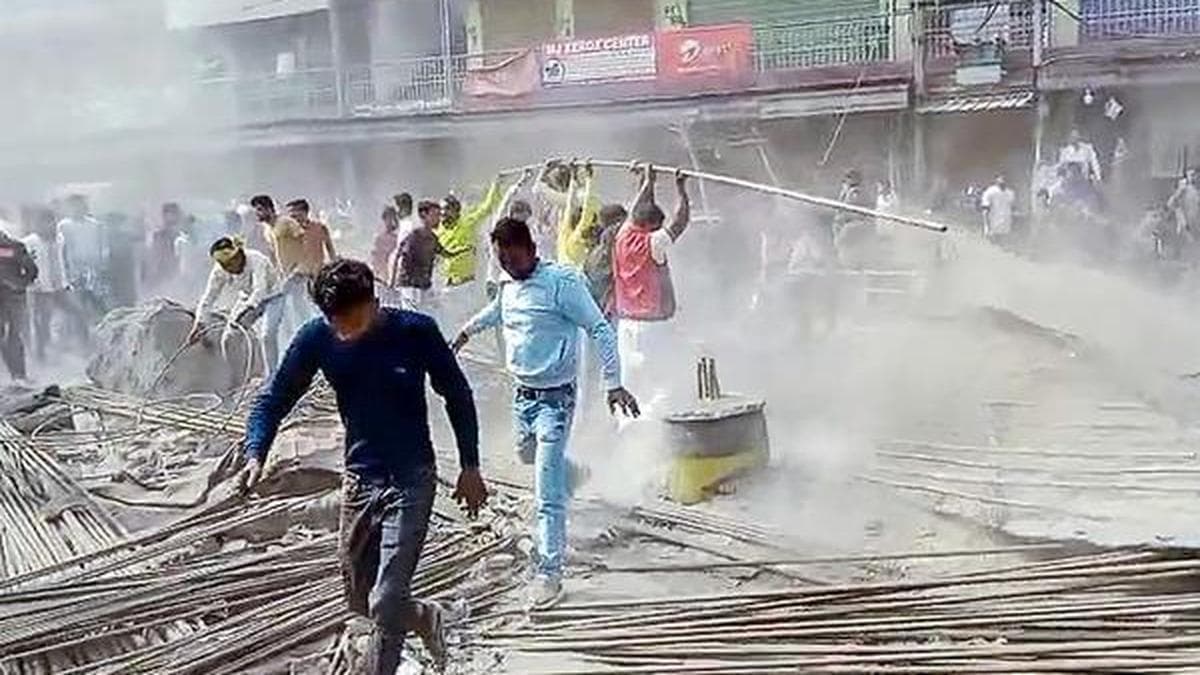
The violence in Beldanga started on January 16 following the tragic death of a migrant worker from the area in Jharkhand. The situation escalated into widespread unrest, with protestors blocking roads and railway tracks, leading to clashes that resulted in injuries to at least 12 individuals and the arrest of around 30 people for incitement of violence. The fallout from these events has drawn significant attention from local authorities and national agencies alike.
On February 27, 2026, the Calcutta High Court confirmed a trial court's order mandating that the case diary be transferred to the NIA, which is tasked with investigating cases under specific statutes, including the Unlawful Activities (Prevention) Act (UAPA). The High Court also scheduled a status report from the NIA for March 24. This decision was met with resistance from the West Bengal government, represented by senior advocate Kalyan Banerjee, who argued that the High Court's orders were inappropriate given the Supreme Court's earlier questions regarding the application of the UAPA in this context.
During a hearing on February 11, the Supreme Court raised doubts about the justification for invoking the UAPA, suggesting that an emotional response to a tragic event should not automatically be classified as a terrorist act impacting national security. This skepticism highlighted the complexities involved in categorizing violent incidents and the legal ramifications of such classifications.
In its recent ruling, the Supreme Court characterized the High Court's decision to proceed with the NIA investigation as “quite balanced.” The bench, led by Chief Justice Surya Kant, emphasized that the earlier intervention was meant to ensure that the High Court examined all relevant materials impartially before determining the necessity of an NIA probe.
The High Court had previously responded to petitions from Bharatiya Janata Party (BJP) leader Suvendu Adhikari and others, effectively leaving the door open for the central government to initiate an investigation under the NIA Act. Notably, the Union Ministry of Home Affairs later directed the NIA to investigate the incident registered by the local police under various laws, including the West Bengal Maintenance of Public Order Act and the Prevention of Damage to Public Property Act.
The Supreme Court’s refusal to interfere with the High Court's order is pivotal for several reasons: - Legal Precedent: This ruling could set a precedent for future cases involving the UAPA and NIA investigations, particularly in instances where the classification of violence is debated. - Political Reactions: The decision may spark further political debates within West Bengal and across India, especially among parties like the BJP that are keen on emphasizing law and order issues. - Public Response: Given the emotional and social complexities surrounding the violence in Beldanga, public reaction to the ongoing investigation will be closely monitored.
As the NIA prepares to delve deeper into the Beldanga violence case, all eyes will be on the upcoming status report due on March 24, 2026. The findings from this investigation could have far-reaching implications, potentially influencing both policy and public sentiment regarding migrant labor and communal tensions in India.
In the meantime, stakeholders, including local communities, political parties, and civil rights advocates, will likely continue to express their views on the appropriateness of the NIA’s involvement and the broader implications of the UAPA. Monitoring these developments will be crucial as they shape the narrative surrounding governance, justice, and security in India.

Tensions soar as the US and Iran engage in air strikes near the Strait of Hormuz, raising concerns over global oil supply and regional stability.
BBC World
Trump's international interventions face serious stalemates. What will this mean for U.S. foreign policy? Explore the critical challenges ahead.
Indian Express
Tehran denies resignation of President Masoud Pezeshkian amid claims of IRGC influence. What does this mean for Iran's political stability? Click to learn more!
Indian Express