
Image: Mint (Business)
The Supreme Court of India rejects a PIL for nationwide menstrual leave, citing potential negative impacts on women's employment opportunities.
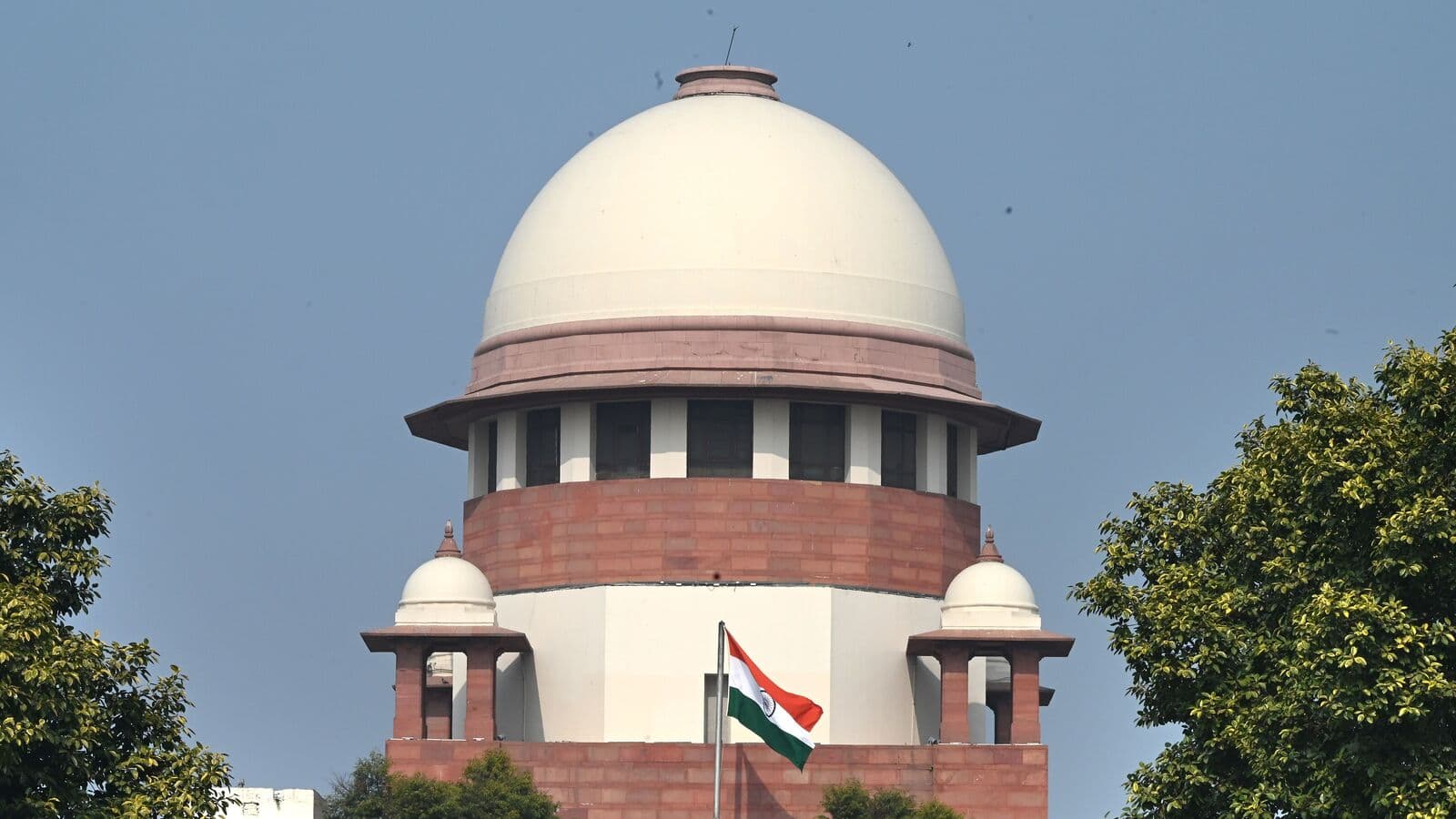
GlipzoOn Friday, the Supreme Court of India declined to entertain a Public Interest Litigation (PIL) that sought to establish a nationwide policy granting menstrual leave for women workers and students. The court expressed concerns that implementing such a policy might deter employers from hiring women, potentially reinforcing existing gender stereotypes. This statement was reported by PTI, highlighting the complexities surrounding the issue of menstrual leave.
The Supreme Court's bench, led by Chief Justice Surya Kant and Justice Joymalya Bagchi, acknowledged the importance of the representation made by the petitioner but indicated that any policy regarding menstrual leave should be developed after careful consideration and consultation with all relevant stakeholders. The PIL was subsequently dismissed but left the door open for future discussions on the topic.
In their remarks, the justices pointed out that proposals for menstrual leave could inadvertently convey a sense of inferiority regarding women’s natural biological processes. Chief Justice Surya Kant stated, "These pleas are made to create fear, to call women inferior, that menstruation is something bad happening to them." He emphasized that while recognizing menstruation as a natural phenomenon is crucial, the implications of mandatory leave policies must be thoroughly examined, particularly regarding their impact on employment opportunities for women.
M R Shamshad, the senior advocate representing the petitioner, made a compelling argument by citing examples from various states and institutions that have adopted menstrual leave policies. He specifically mentioned Kerala, where some schools have implemented measures to accommodate menstruation-related needs. Shamshad also noted that several private companies offer menstrual leave as a voluntary benefit.
While the Supreme Court recognized the merits of voluntary policies, it expressed caution regarding the establishment of mandatory menstrual leave through legislation. Chief Justice Surya Kant warned, "The moment you say it is compulsory in law, nobody will give them jobs. Nobody will take them in the judiciary or government jobs; their career will be over. They will say you should sit at home after informing everyone." This statement underscores the delicate balance between advocating for women's rights and addressing employer concerns in a competitive job market.
The bench also deliberated on how mandatory menstrual leave could affect workplace dynamics and the professional advancement of women. The justices acknowledged the petitioner's valid arguments but felt that repetition in approaching the court for a mandamus was unnecessary since a representation had already been made to the appropriate authorities.
At present, India lacks a unified law governing menstrual leave. Previous legislative attempts, such as the Right to Menstrual Hygiene and Paid Leave Bill of 2019, aimed to provide both menstrual leave and access to menstrual products but ultimately failed to pass into law. This bill was a Private Member’s Bill and highlighted the need for systematic change in how menstrual health is addressed in the workplace.
Notably, in November 2025, Karnataka became the first Indian state to introduce paid menstrual leave for women in formal employment. Under this progressive policy, women aged 18 to 52 are entitled to one day of menstrual leave per month without the need for a medical certificate. This initiative benefits approximately 350,000 to 400,000 women in the formal sector but leaves a significant portion of the workforce—estimated at six million—working in unorganized sectors such as domestic work and gig jobs without similar protections.
States like Bihar and Odisha have also taken steps to provide menstrual leave, granting two days of leave per month to their government employees. This reflects a growing recognition of the need for menstrual health considerations in the workplace.
Globally, several countries have adopted policies to support menstrual leave. For instance: - Indonesia, Japan, and Italy have established laws granting such leave. - In Canada, while there is no legal mandate for menstrual leave, some employers offer it as a benefit.
Similarly, within India, certain companies have voluntarily implemented menstrual leave policies, providing women employees with the option to take time off without waiting for legal mandates.
The Supreme Court's ruling on menstrual leave highlights the ongoing dialogue surrounding women's rights in the workplace and the challenges of implementing policies that may have unintended consequences. As discussions continue, it remains crucial for policymakers to engage with various stakeholders, including employers and women's rights advocates, to seek a balanced approach. The conversation around menstrual leave is not merely about policy creation; it is about fostering an inclusive work environment that respects women's health while also considering the realities of the job market.

Tensions soar as the US and Iran engage in air strikes near the Strait of Hormuz, raising concerns over global oil supply and regional stability.
BBC World
Trump's international interventions face serious stalemates. What will this mean for U.S. foreign policy? Explore the critical challenges ahead.
Indian Express
Tehran denies resignation of President Masoud Pezeshkian amid claims of IRGC influence. What does this mean for Iran's political stability? Click to learn more!
Indian Express