
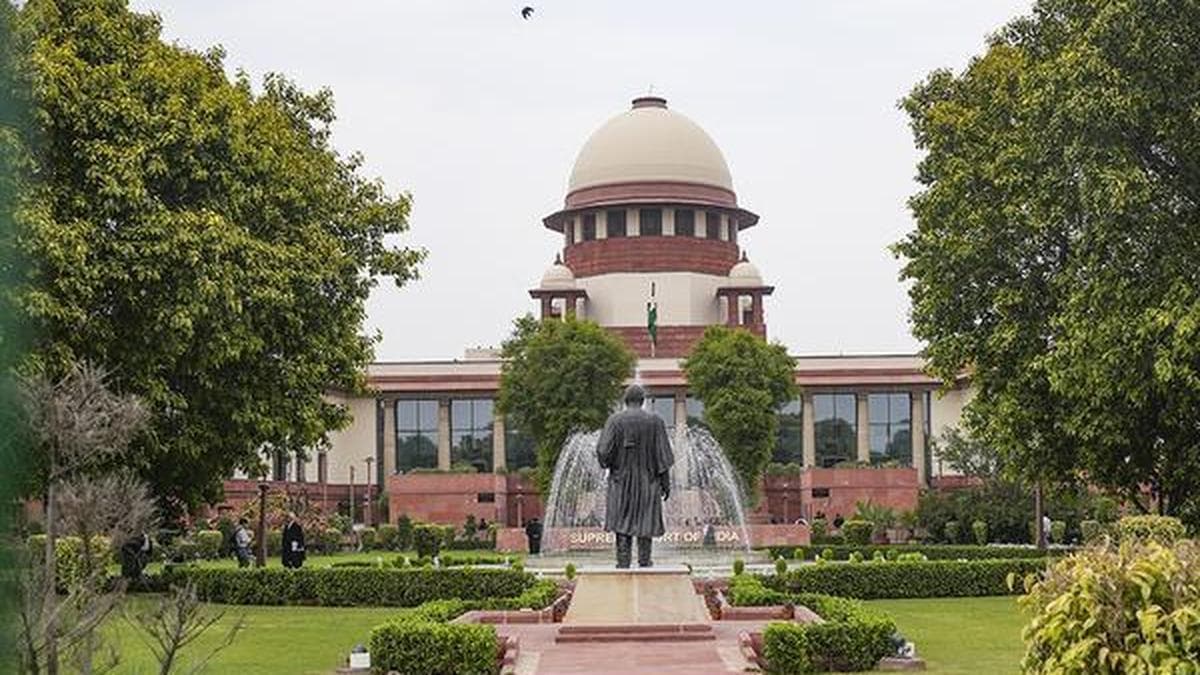
Image: The Hindu
Supreme Court mandates States to submit updated prison data by May 18, highlighting overcrowding issues and conditions for women inmates.
GlipzoIn a significant move aimed at addressing the dire situation in Indian prisons, the Supreme Court of India has mandated that all States and Union Territories (UTs) provide updated information on jail conditions, including overcrowding statistics and facility details. This directive, issued on March 17, 2026, requires comprehensive data to be submitted by May 18, 2026.
The ruling comes as part of a suo motu case concerning the inhumane living conditions faced by inmates across the country. A panel of Justices Vikram Nath and Sandeep Mehta emphasized the necessity for accurate and current data, citing that previous statistics from 2023 do not adequately reflect the current state of prisons. This gap in data hinders informed judicial review and the implementation of necessary reforms.
The Supreme Court's order specifically outlines what information must be provided: - Sanctioned capacity of each prison - Total number of prisoners currently incarcerated - Percentage of overcrowding in each facility - Proposed measures to tackle overcrowding - Information regarding women’s prisons, including their facilities and programs for children living with female inmates - Details on the sanctioned strength of prison staff and any existing vacancies
The Court noted that the updated figures would not only assist in understanding the current situation but also play a crucial role in improving prison management and conditions.
Senior advocate Gaurav Agrawal, serving as an amicus curiae, has been instrumental in highlighting the urgent need for these updates. His contributions underscore the importance of having contemporary statistics for the effective deliberation of human rights issues related to incarceration.
The Court’s directive mandates that the affidavits submitted by the States and UTs be sworn by the home secretary, ensuring accountability and accuracy in the details provided. Once filed, these affidavits will be reviewed by Agrawal, who will prepare a detailed summary of the findings to aid the Court in its ongoing examination of prison conditions.
This ruling not only signifies the judiciary's commitment to addressing overcrowding but also reflects a broader recognition of the human rights issues within the prison system. Overcrowding is a critical problem in Indian jails, often leading to inhumane living conditions that violate fundamental rights.
As the May 18 deadline approaches, all eyes will be on the various States and UTs to see how they respond to the Supreme Court's directive. The follow-up hearing scheduled for May 26 will be crucial in determining the next steps in addressing these pressing issues.
The outcome of this case could pave the way for significant reforms in the Indian prison system, including better management of overcrowding, enhanced facilities for women prisoners, and improved educational opportunities for children residing with their incarcerated parents. Moreover, it could set a precedent for how prison conditions are monitored and regulated in the future.
In summary, as the Supreme Court pushes for transparency and accountability regarding prison conditions, it raises critical questions about the treatment of inmates and the effectiveness of the criminal justice system in India. The developments in the coming months will be vital in shaping the future of incarceration policies and practices across the nation.

Tensions soar as the US and Iran engage in air strikes near the Strait of Hormuz, raising concerns over global oil supply and regional stability.
BBC World
Trump's international interventions face serious stalemates. What will this mean for U.S. foreign policy? Explore the critical challenges ahead.
Indian Express
Tehran denies resignation of President Masoud Pezeshkian amid claims of IRGC influence. What does this mean for Iran's political stability? Click to learn more!
Indian Express