
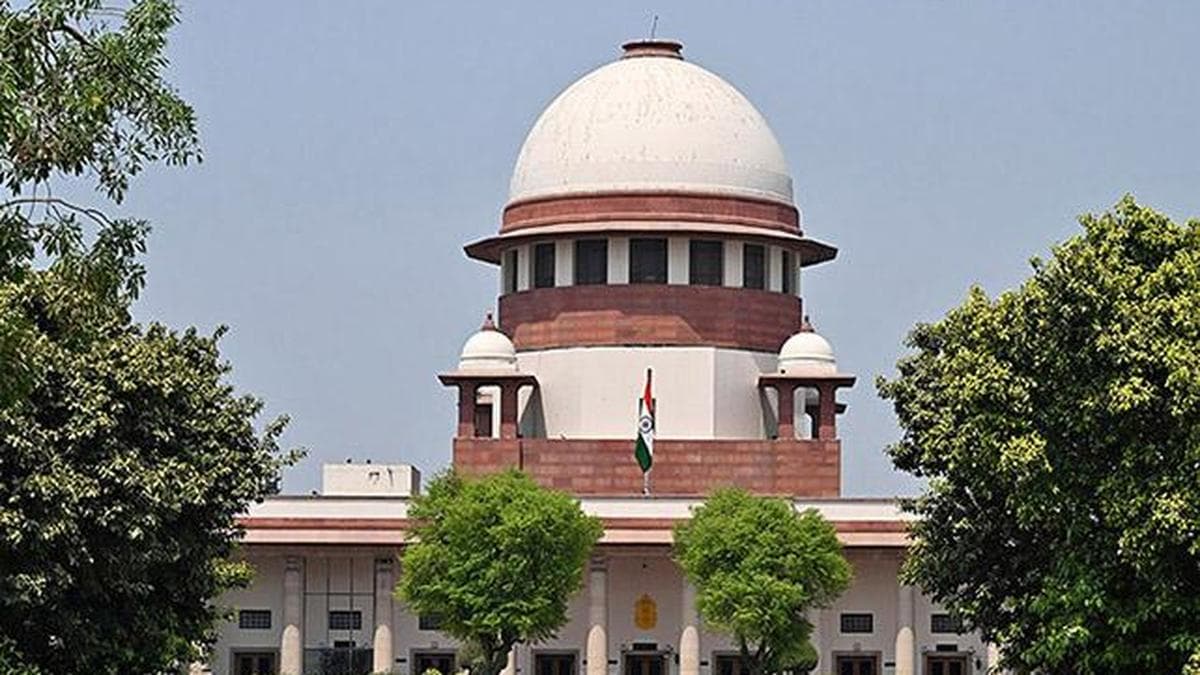
Image: The Hindu
Supreme Court affirms citizens' right to critique its judgments, emphasizing healthy discourse and the role of education in shaping public perception.
GlipzoIn a landmark statement on March 20, 2026, the Supreme Court of India affirmed the public's right to express opinions regarding its judgments. This assertion came during the disposal of a writ petition concerning a controversial NCERT Class 8 Social Science textbook that had faced backlash for its portrayal of a Supreme Court ruling on slum dwellers. Chief Justice Kant emphasized the importance of healthy criticism in a democratic society, asserting that the judiciary should not be overly sensitive to public discourse about its decisions.
The case at the heart of this discourse was brought forth by Pankaj Pushkar, who highlighted a specific line from the textbook that suggested recent judgments viewed slum dwellers primarily as encroachers. The Chief Justice responded by stating, "It is a viewpoint about a judgment. That’s healthy criticism. Why should the judiciary be oversensitive about this?" This comment underscores a crucial shift in how judicial entities perceive dissenting views on their rulings.
The controversy surrounding the NCERT textbook stems from its portrayal of the judiciary and its decisions, particularly those affecting marginalized communities. Critics argue that such narratives can shape public opinion negatively, potentially undermining trust in the judicial system. The textbook in question, while critiqued for its remarks, also presented the achievements and structural overview of the judiciary, suggesting a balanced approach to discussing its role in society.
Chief Justice Kant pointed out that the textbook not only criticized certain judgments but also recognized the positive contributions made by the court in various cases. This balanced representation is essential for fostering a nuanced understanding of the judicial process among students.
The Supreme Court's embrace of public criticism highlights a significant shift towards transparency and accountability in the judiciary. By acknowledging the right of individuals to critique its rulings, the court is not only fostering a culture of open dialogue but also reinforcing the principle of judicial independence. This move is vital for enhancing the relationship between the judiciary and the public, as it encourages citizens to engage with legal processes actively.
This approach could lead to transformative changes in how legal education is imparted, ensuring students are not only informed of the law but also encouraged to question and understand its implications critically.
The right to critique judicial decisions is fundamental in a democracy, serving as a check on judicial power. The Supreme Court's acknowledgment of this right reinforces the importance of freedom of speech and expression, which are cornerstones of democratic governance. Moreover, in the context of education, it emphasizes the need for curricula that promote critical thinking and informed debate among young learners.
As educational institutions reflect on this development, there may be a renewed focus on how legal principles and judicial critiques are taught in classrooms. The interplay between judiciary and education can significantly influence public perception and understanding of legal systems, fostering a more informed citizenry.
Looking ahead, several key areas warrant attention: - Curriculum Revisions: Educational authorities may revise textbooks to better reflect a balanced view of judicial decisions, incorporating both praises and critiques. - Public Engagement Initiatives: The Supreme Court could initiate programs to engage citizens in discussions about judicial rulings and their societal implications. - Legal Literacy Campaigns: Increased legal literacy efforts may emerge, aimed at educating the public about their rights to critique and understand judicial processes.
In conclusion, the Supreme Court's recent remarks signify a pivotal moment in the relationship between the judiciary and the public. By embracing the right to critique, the court not only enhances its legitimacy but also encourages a culture of dialogue and understanding that is essential for a healthy democracy.

Tensions soar as the US and Iran engage in air strikes near the Strait of Hormuz, raising concerns over global oil supply and regional stability.
BBC World
Trump's international interventions face serious stalemates. What will this mean for U.S. foreign policy? Explore the critical challenges ahead.
Indian Express
Tehran denies resignation of President Masoud Pezeshkian amid claims of IRGC influence. What does this mean for Iran's political stability? Click to learn more!
Indian Express