

Image: Times of India
Stryker recovers from a recent cyberattack, highlighting critical cybersecurity issues in the medical device industry. What’s next for Stryker?
GlipzoOn October 12, 2023, Stryker Corporation, the leading player in the medical device industry, made headlines when it announced a significant recovery from a cyberattack that had disrupted its operations just days prior. This incident raised concerns not only about the company’s security measures but also about the broader implications for the healthcare sector, which increasingly relies on technology.
Stryker, known for its innovative orthopedic and surgical products, experienced a cybersecurity breach that prompted an immediate response from its IT and security teams. The attack was believed to have compromised sensitive data and disrupted the company’s manufacturing and distribution processes. As a result, Stryker had to temporarily halt its operations to assess the damage and ensure the safety of its systems.
The cyberattack occurred on October 6, 2023, and within a week, Stryker was able to announce that systems were back online. This rapid recovery speaks volumes about the company’s resilience and preparedness for such threats. The swift response is crucial in maintaining trust among healthcare providers who depend on Stryker’s products for patient care.
Cybersecurity incidents in the healthcare sector are becoming alarmingly common. The Stryker incident highlights a critical vulnerability within the medical device industry, where technology and patient safety intersect. Here are some key points to consider:
The ramifications of Stryker’s cyberattack extend beyond just one company. With healthcare increasingly integrating technology, a breach can have widespread effects on patient safety and data integrity. As cyberattacks grow more sophisticated, healthcare organizations must prioritize cybersecurity to protect sensitive patient information and maintain operational continuity.
Stryker’s quick recovery demonstrates how essential it is for companies to have robust incident response plans. It also serves as a reminder that cybersecurity should be a top priority for all healthcare providers and manufacturers.
As Stryker resumes normal operations, the company is likely to conduct a thorough investigation into the cyberattack to understand its origins and strengthen its defenses. The following are potential next steps for Stryker and the broader industry:
1. Enhanced Security Measures: Stryker is expected to invest in more advanced cybersecurity technologies and protocols to prevent future breaches. 2. Collaboration with Cybersecurity Experts: Engaging with cybersecurity firms to conduct regular audits and risk assessments could become a standard practice. 3. Industry-Wide Initiatives: The medical device industry may see a collaborative approach in addressing cybersecurity threats, sharing best practices and intelligence to combat vulnerabilities.
The recent cyberattack on Stryker serves as a critical wake-up call for the medical device industry. As technology continues to evolve, so too do the methods used by cybercriminals. The focus on enhancing cybersecurity measures is not just about protecting a company’s assets; it is fundamentally about ensuring patient safety and trust in healthcare technologies.
Moving forward, stakeholders in the healthcare sector must remain vigilant and proactive in their approach to cybersecurity. The Stryker incident is a stark reminder that in the world of medical technology, resilience against cyber threats is paramount. With the right strategies in place, the industry can navigate these challenges and continue to innovate while safeguarding the future of patient care.

Shocking findings from Nottingham's maternity unit reveal a toxic culture and alarming neglect. What can be done to improve care? Discover the details.
BBC Health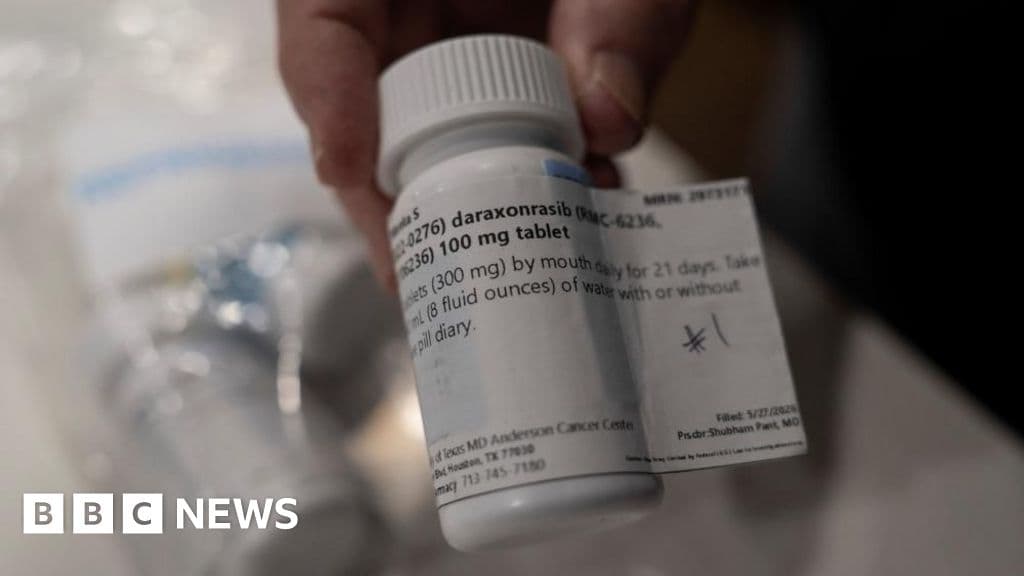
Discover how daraxonrasib, a new pill, is nearly doubling survival rates for pancreatic cancer patients, offering hope in a challenging battle against this deadly disease.
BBC Health
Waste companies propose a £5 deposit on vapes to encourage proper disposal and curb littering as the environmental impact of vapes increases.
BBC Business