

Image: Mint (Business)
Discover whether the Indian stock market will remain open during Ugadi, Gudi Padwa, and Eid-ul-Fitr. Key trading dates revealed!
GlipzoThe Indian stock market is set to remain open during a series of significant festivals this week, including Ugadi, Gudi Padwa, and Eid-ul-Fitr. Many investors may be wondering whether these celebrations will impact trading days, especially between March 19 and March 21. However, according to the official calendar from the Bombay Stock Exchange (BSE) and National Stock Exchange (NSE), no closures are scheduled for these festive dates, aside from the usual weekend break.
On March 19 and March 20, trading will proceed normally, while the market will not operate on March 21, which coincides with a Saturday. This means that trading across various segments, including equities, derivatives, currency, and commodities, will continue without interruption.
Ugadi, celebrated on March 19 this year, marks the New Year in several southern states of India, including Telangana, Karnataka, Maharashtra, and Andhra Pradesh. It is a time for fresh beginnings, with festivities that include special foods, decorations, and traditional rituals. Similarly, Eid-ul-Fitr, which is likely to be observed on March 20, follows the sighting of the crescent moon and is a significant day for Muslims across the country.
These festivals highlight India's rich cultural diversity, but it's essential to note that stock market holidays are governed by a pre-established exchange calendar. Not all public or regional holidays lead to market closures, which can lead to confusion among investors and traders alike.
The holiday calendar released by the stock exchanges last year indicated that there would be 15 trading holidays in 2026. To date, the market has recognized only three holidays, including Municipal Corporation Elections in Maharashtra, Republic Day, and Holi. March stands out as a month full of holidays, with upcoming closures for Ram Navami and Mahavir Jayanti.
The stock markets will close for Shri Ram Navami on Thursday, March 26, and for Shri Mahavir Jayanti on Tuesday, March 31. This makes it crucial for traders to keep track of these dates to avoid any surprises.
As we look ahead, the trading calendar for the following months includes: - April: 2 trading holidays - May: 2 trading holidays - June: 1 trading holiday - July: No holidays - August: No holidays - September: 1 holiday - October: 2 holidays - November: 2 holidays - December: 1 holiday
This information is vital for investors to strategize their trading plans effectively.
Understanding the stock market's holiday schedule is essential for traders and investors. Many might assume the markets will close during major festivals, but the reality is that trading can continue as long as those dates are not officially recognized as holidays. Being aware of these dates can help in planning investments and making informed decisions.
Eshita Gain, a digital journalist at Mint, emphasizes the importance of following the stock market’s holiday calendar to avoid confusion and ensure smooth trading operations.
As the month progresses, investors should keep an eye on the upcoming holidays and any potential market fluctuations that could arise during festival seasons. Additionally, with April and May also having two trading holidays each, it’s advisable for traders to consistently monitor the official holiday schedule to stay on track. Staying informed will ultimately aid in navigating the dynamic landscape of the Indian stock market effectively.
In conclusion, while celebrations bring joy and cultural richness, the stock market remains a critical aspect of the economy that requires attention and planning, especially during festive times. Investors should remain vigilant and proactive to capitalize on opportunities and mitigate risks during these periods.
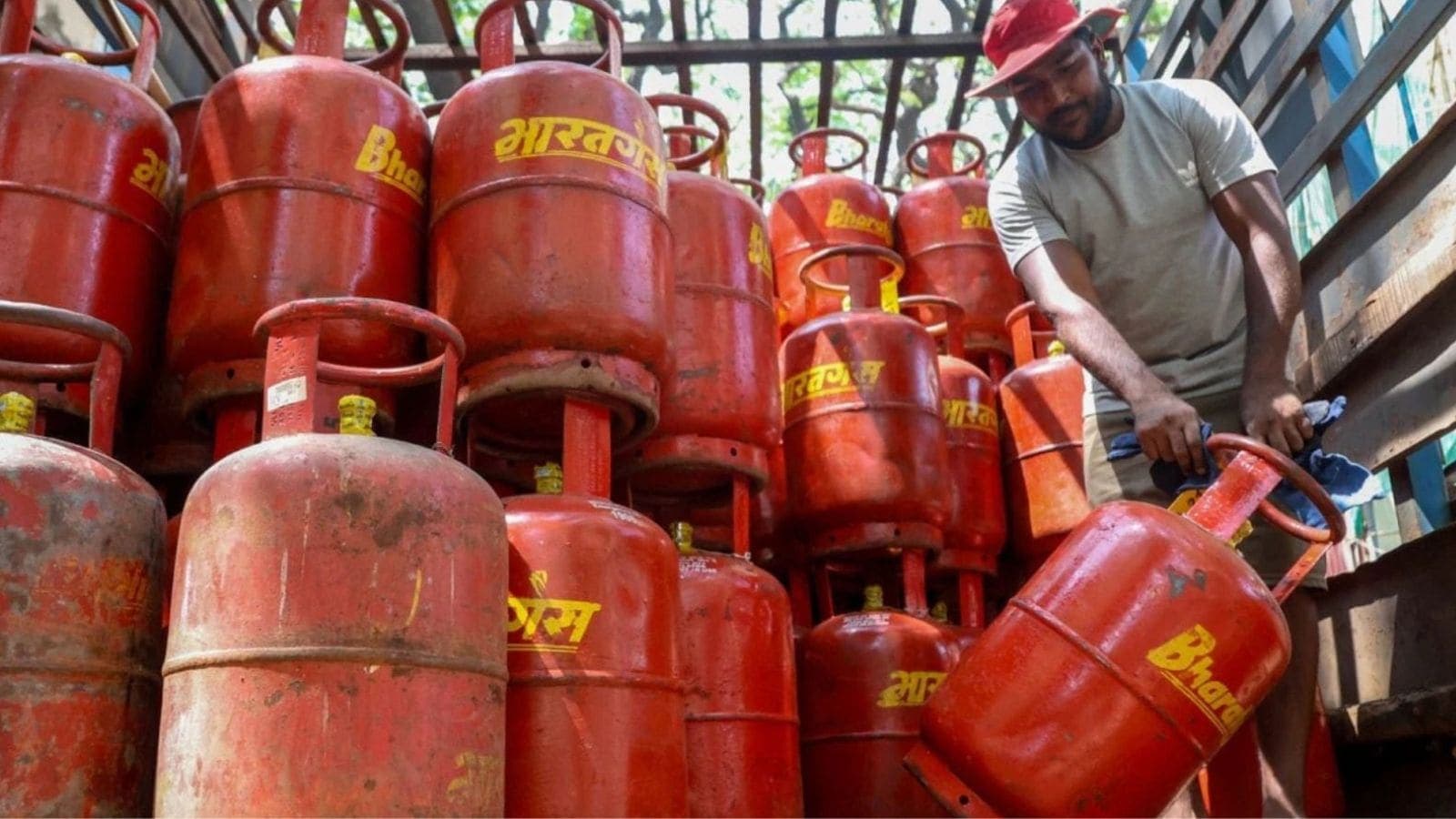
Commercial LPG prices have risen again, with increases of ₹42 in Delhi and ₹53.50 in Kolkata impacting businesses and consumers alike. Find out more.
Indian Express
Discover how a tragic coal mine explosion in Shanxi, China, reveals ongoing safety concerns in the industry amidst a push for green energy.
BBC Business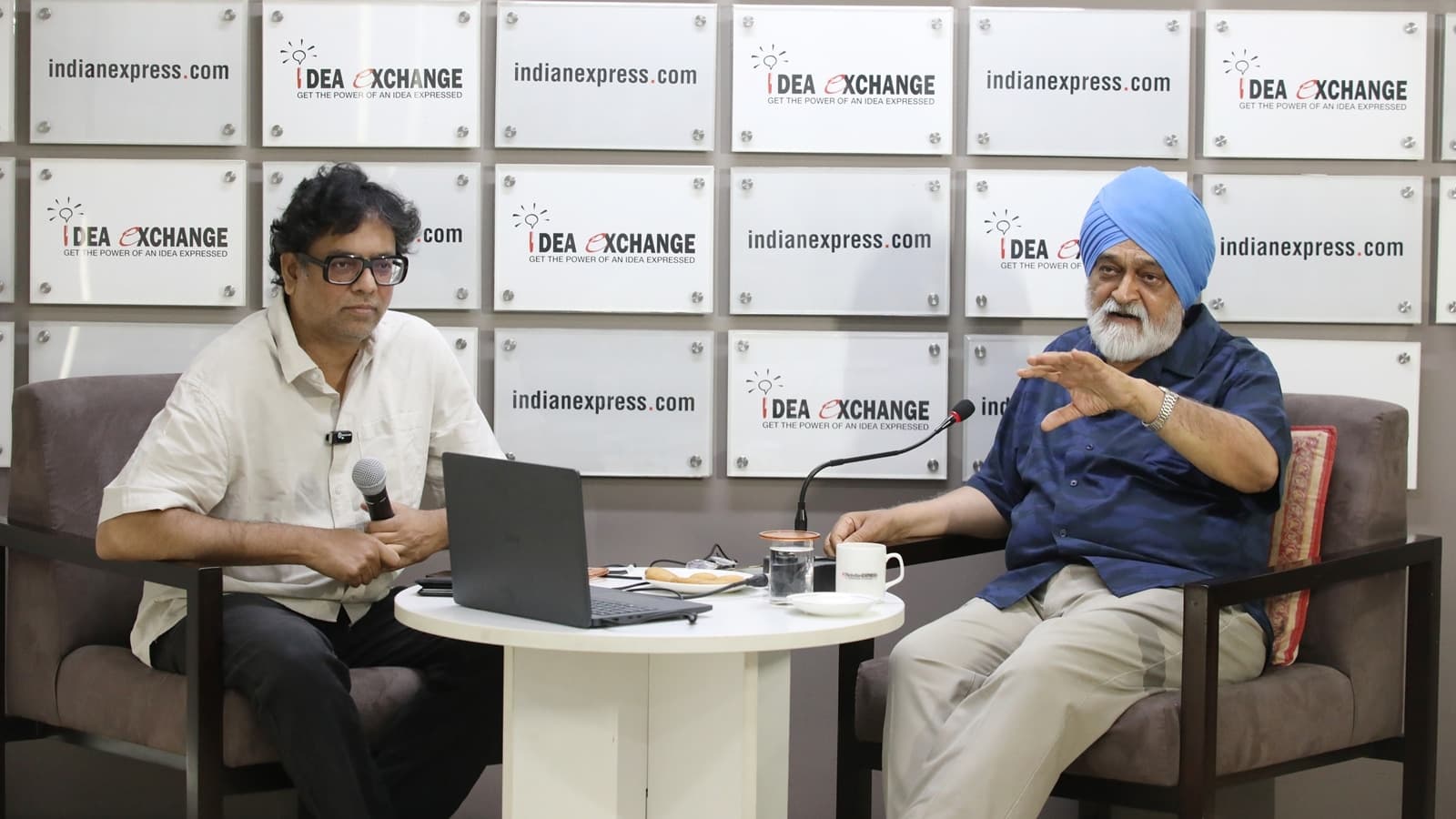
Montek Singh Ahluwalia highlights key economic challenges for India, emphasizing the need for a strategic approach to balance payments and investment.
Indian Express