

Image: The Hindu
Sri Lanka's fuel prices surged 25% as the nation braces for the impact of the ongoing Iran-Israel conflict. What does this mean for the economy?
GlipzoOn March 22, 2026, Sri Lanka implemented a staggering 25% increase in fuel prices, marking the second hike in a mere two weeks. This significant rise comes as the nation braces for the continued fallout from the ongoing conflict in West Asia, particularly the escalating tensions between Iran and Israel. With this latest adjustment, the price of regular petrol has soared to 398 rupees (approximately $1.30) per liter, up from 317 rupees, while diesel, crucial for public transport, now costs 382 rupees, an increase of 79 rupees.
This drastic measure follows a previous 8% increase in retail fuel prices just last week, alongside the introduction of rationing to curb consumption. Officials from the Ceylon Petroleum Corporation expressed hopes of achieving a 15% to 20% reduction in fuel usage due to these price hikes. The urgency of these adjustments stems from warnings that the conflict in the region could significantly impact Sri Lanka's energy supplies.
In light of these developments, President Anura Kumara Dissanayake has taken proactive steps to mitigate the impending energy crisis. Last week, he announced a four-day working week starting March 18, encouraging businesses to adopt work-from-home arrangements whenever feasible. This initiative aims to reduce fuel consumption and adapt to the anticipated shortages resulting from the ongoing war.
The Strait of Hormuz, a vital maritime route responsible for transporting about 20% of the world's oil exports, has been effectively shut down by Iran. This closure is a direct retaliation against the U.S. and Israeli military actions, which have now entered their fourth week. The implications for Sri Lanka, which relies entirely on imports for its oil needs, are severe, as the nation sources its refined petroleum products from countries such as Singapore, Malaysia, and South Korea, while crude oil for its refinery is procured from West Asia.
The current price hikes are taking place against the backdrop of Sri Lanka's recent economic struggles. In 2022, the country defaulted on its $46 billion foreign debt, struggling with a critical shortage of foreign exchange. Since that financial crisis, the Sri Lankan government has managed to secure a $2.9 billion bailout from the International Monetary Fund (IMF), but the long-term economic stability remains precarious.
The government is acutely aware that persistent fighting in West Asia could undermine its recovery efforts. With energy costs surging and the potential for further disruptions looming, the Sri Lankan economy, already reeling from the effects of a previous meltdown, faces an uncertain future.
For the average Sri Lankan, these fuel price increases are more than just numbers on a screen; they represent a growing burden on household budgets. Rising fuel prices will likely lead to increased transportation costs, driving up the prices of essential goods and services and exacerbating the cost of living crisis that many families are already facing.
The government's rationing measures are an attempt to manage limited resources, but it also reflects a deeper vulnerability within the economy that could lead to social unrest if not addressed swiftly. As fuel continues to become more expensive and scarce, citizens may find themselves facing tough choices about how to allocate their dwindling financial resources.
As we move forward, the key question remains: how will Sri Lanka navigate this unfolding crisis? Observers will be closely monitoring the government's actions and the effectiveness of the measures in place to manage fuel consumption and maintain stability.
Additionally, the international community’s response to the ongoing conflict in West Asia will play a crucial role in determining the availability and price of oil in the coming weeks. Sri Lanka's dependency on foreign oil sources places it in a precarious position, making it imperative for the government to explore alternative energy solutions and reinforce its economic resilience.
In summary, the recent spike in fuel prices serves as a stark reminder of the interconnectedness of global events and their direct impact on local economies. As Sri Lanka grapples with these challenges, the government's capacity to mitigate the effects of international conflicts on its citizens will be critical in the days ahead.
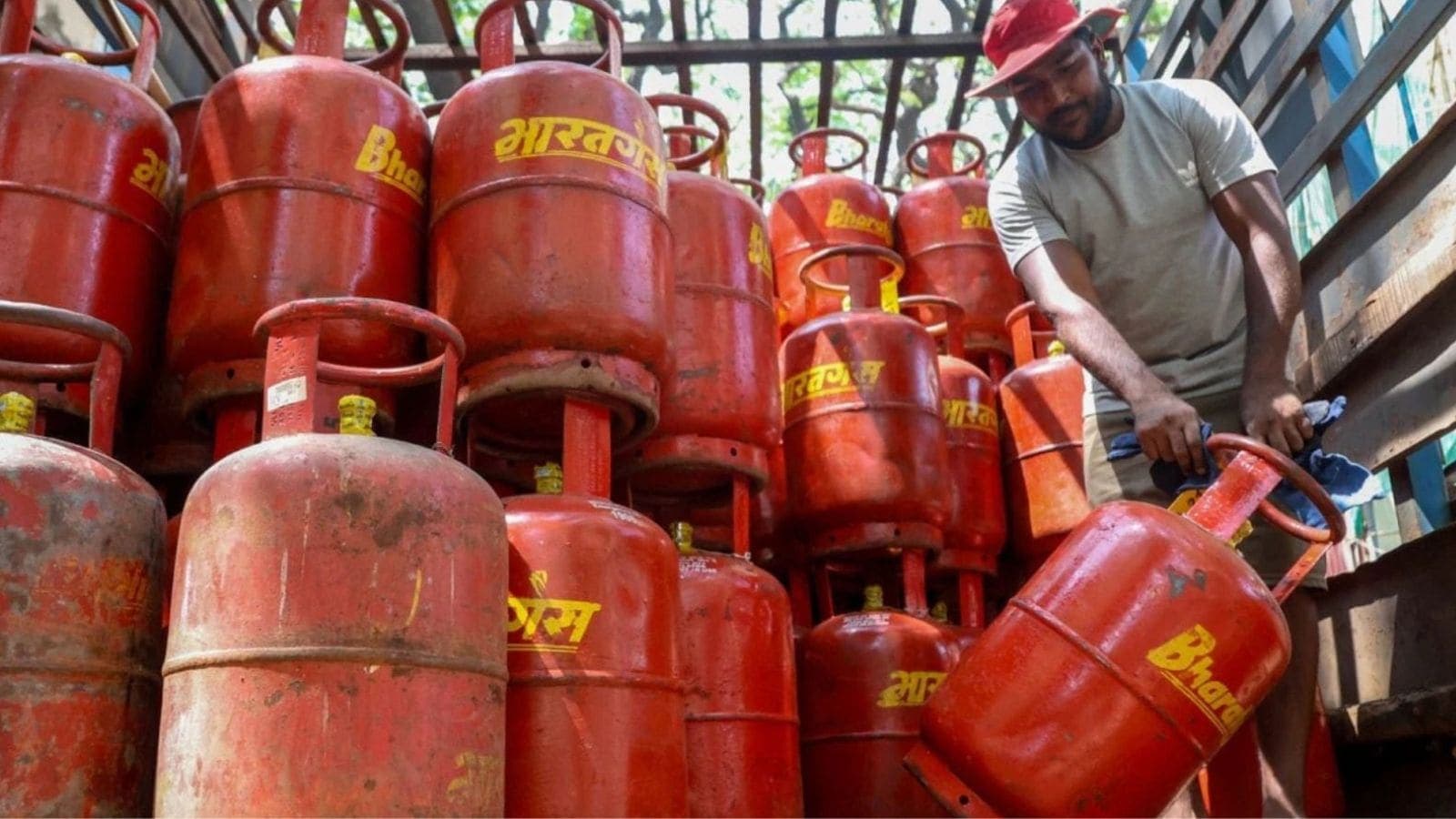
Commercial LPG prices have risen again, with increases of ₹42 in Delhi and ₹53.50 in Kolkata impacting businesses and consumers alike. Find out more.
Indian Express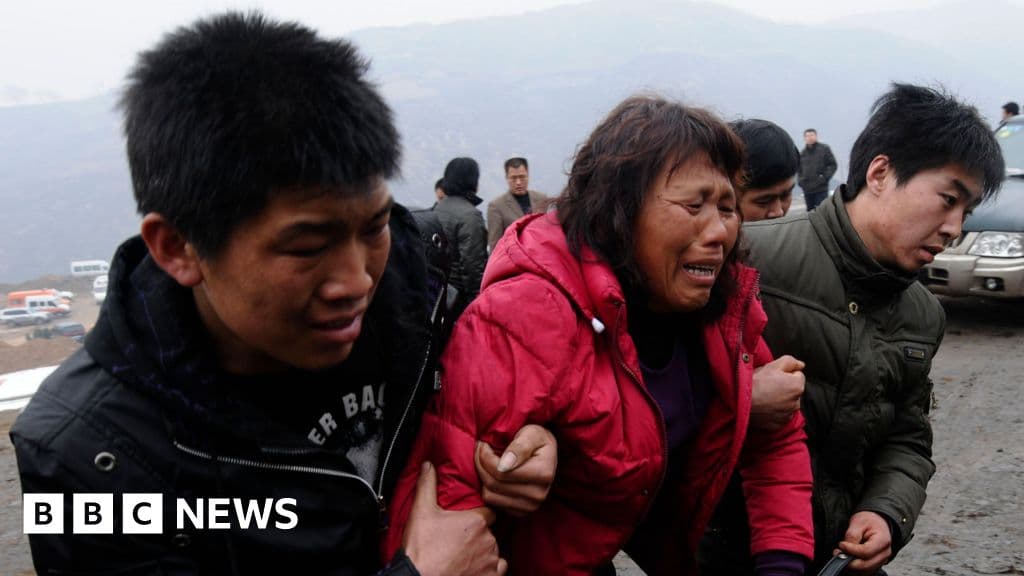
Discover how a tragic coal mine explosion in Shanxi, China, reveals ongoing safety concerns in the industry amidst a push for green energy.
BBC Business
Montek Singh Ahluwalia highlights key economic challenges for India, emphasizing the need for a strategic approach to balance payments and investment.
Indian Express