
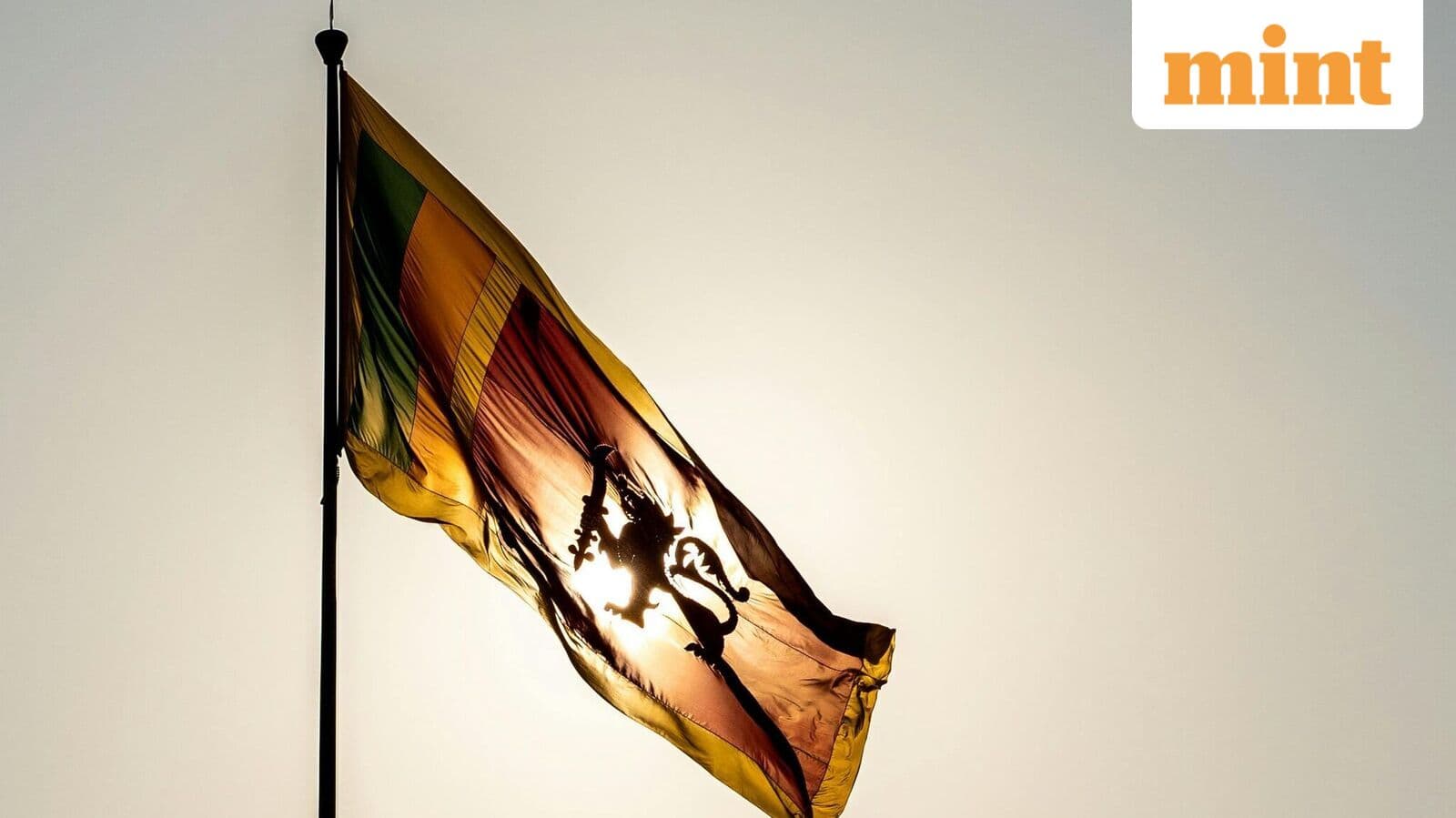
Image: Mint (Business)
Sri Lanka adopts a 4-day work week amid a fuel crisis due to the Middle East conflict. Learn how this impacts the economy and public services.
GlipzoIn a proactive measure to manage its dwindling fuel supplies, Sri Lanka has declared every Wednesday a holiday, shifting to a 4-day work week. This decision comes as the nation grapples with the ramifications of the ongoing conflict in the Middle East, which has disrupted global oil flows and prompted significant energy challenges for the island nation.
Effective March 18, state institutions will operate just four days a week, as announced by Prabath Chandrakeerthi, the Commissioner-General of Essential Services. Schools and universities will also adhere to this schedule. The government is encouraging the private sector to adopt the same model, emphasizing the need for collective action in conserving fuel.
> "We are also asking the private sector to follow suit and declare every Wednesday a holiday from now on," said Chandrakeerthi, highlighting the collaborative effort needed to address the fuel crisis.
The decision to implement a four-day work week arises amidst a critical fuel shortage in Sri Lanka, exacerbated by a closure of the Strait of Hormuz, a vital shipping route for oil that accounts for approximately 20% of global exports. Since the conflict involving Iran and Israel escalated, fuel supplies have become increasingly precarious, prompting the Sri Lankan government to take immediate action.
While essential services such as hospitals, ports, and emergency responders will maintain standard operations, this new working structure aims to reduce overall fuel consumption across the public sector. President Anura Kumara Dissanayake, who convened a special meeting with key officials to address public service continuity amid energy disruptions, stated:
> "We must prepare for the worst, but hope for the best."
In addition to the work week reduction, Sri Lanka has initiated fuel rationing, limiting motorists to 15 liters of petrol or diesel per week, while public transport can access up to 200 liters. The announcement triggered long queues at fuel stations across the country, reflecting the public's concern over the adequacy of supply.
A Sri Lankan official reported that the nation's petrol and diesel reserves are projected to last about six weeks. However, any interruptions in supply could have dire consequences for the country, which relies heavily on oil imports from regions affected by the ongoing conflict.
The situation is particularly dire for Sri Lanka, which has faced economic turmoil since 2022, when it defaulted on $46 billion in foreign debt. The country has since sought assistance through a $2.9 billion bailout from the International Monetary Fund (IMF). Continued hostilities in the Middle East threaten to undermine recovery efforts as fuel shortages can impede economic activity and public services.
To mitigate these challenges, the government is actively engaging in discussions with India and Russia to secure a stable fuel supply. Recently, the cabinet approved an emergency purchase of 300,000 metric tons of coal from Taranjot Resources Pvt Ltd, an Indian firm, as part of its strategy to extend energy resources during this critical period.
The decision to adopt a four-day work week and implement fuel rationing is more than just an administrative adjustment; it reflects the broader impacts of global geopolitical conflicts on local economies. As Sri Lanka strives to navigate through these turbulent times, the steps taken by the government may serve as a model for other nations facing similar crises.
As Sri Lanka adapts to this new work schedule and implements fuel rationing, the focus will be on the effectiveness of these measures in alleviating the immediate fuel crisis. Observers will be keenly watching: - The Response of the Private Sector: Will businesses comply with the government’s call for a four-day work week? - Fuel Supply Stability: Can Sri Lanka secure continuous fuel supplies from India and Russia to avert further shortages? - Economic Recovery: How will these strategies impact the country’s ongoing recovery efforts post-economic meltdown?
In conclusion, Sri Lanka's shift to a four-day work week is a significant response to an intricate web of global challenges, and its success could provide insights for other nations facing similar crises.
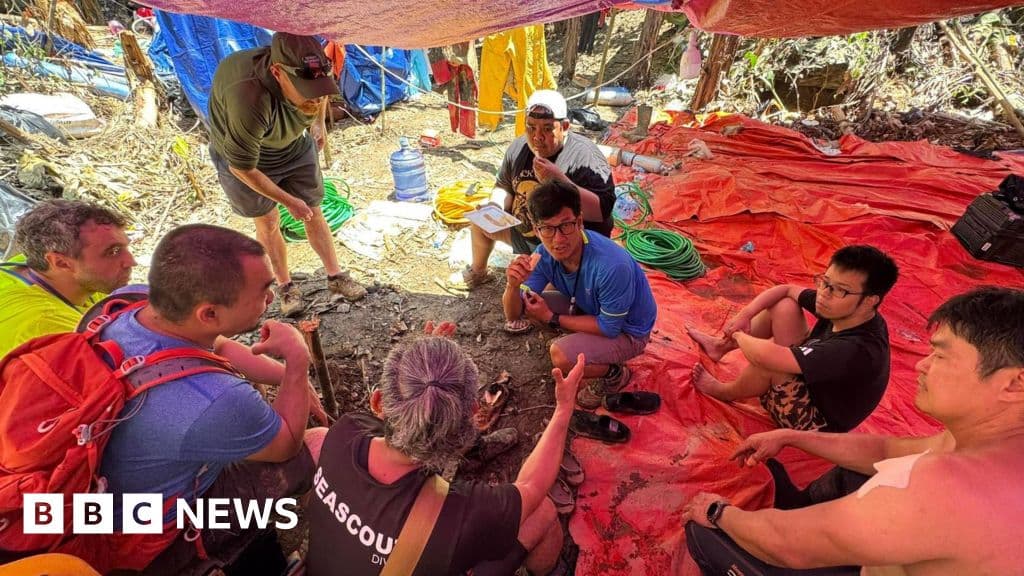
Survivors of the Laos cave rescue are aiding efforts to find the last two missing men trapped inside, sharing crucial insights for the search operation.
BBC World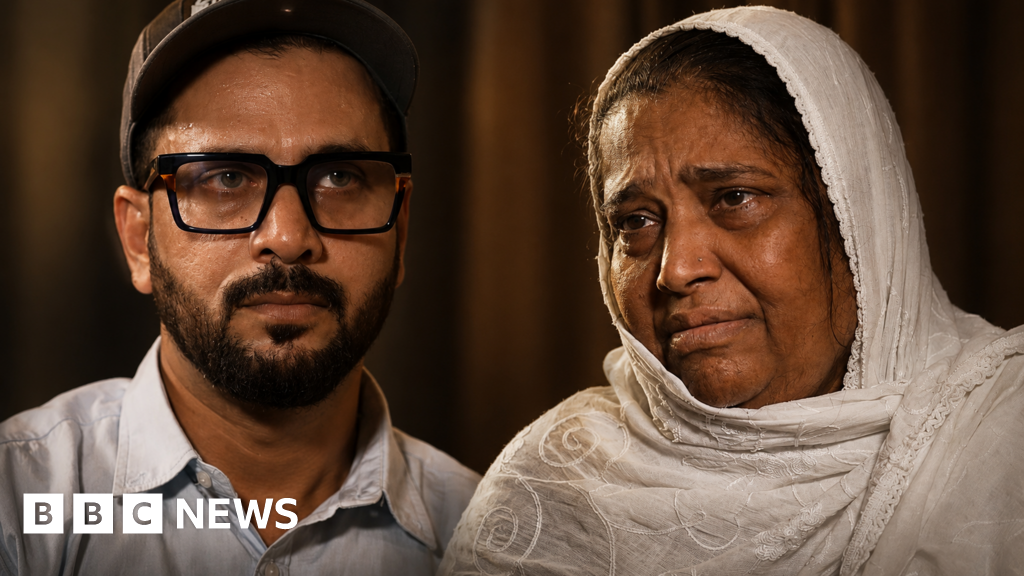
A year after the tragic Air India crash, the Ali family reflects on grief, unanswered questions, and the enduring bonds of love in the face of loss.
BBC Business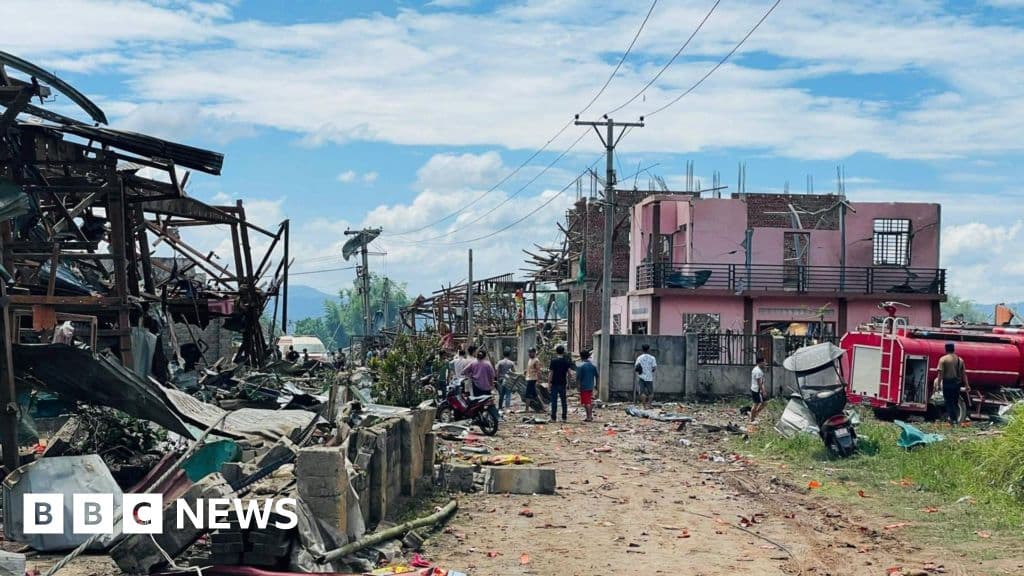
A devastating explosion in Myanmar's Kaung Tat village has killed at least 55 people, raising serious safety concerns and questions about civilian protection in conflict zones.
BBC World