
Image: BBC World
Outrage erupts after an Israeli soldier vandalizes a Jesus statue in Lebanon, prompting apologies from leaders and raising tensions in the region.
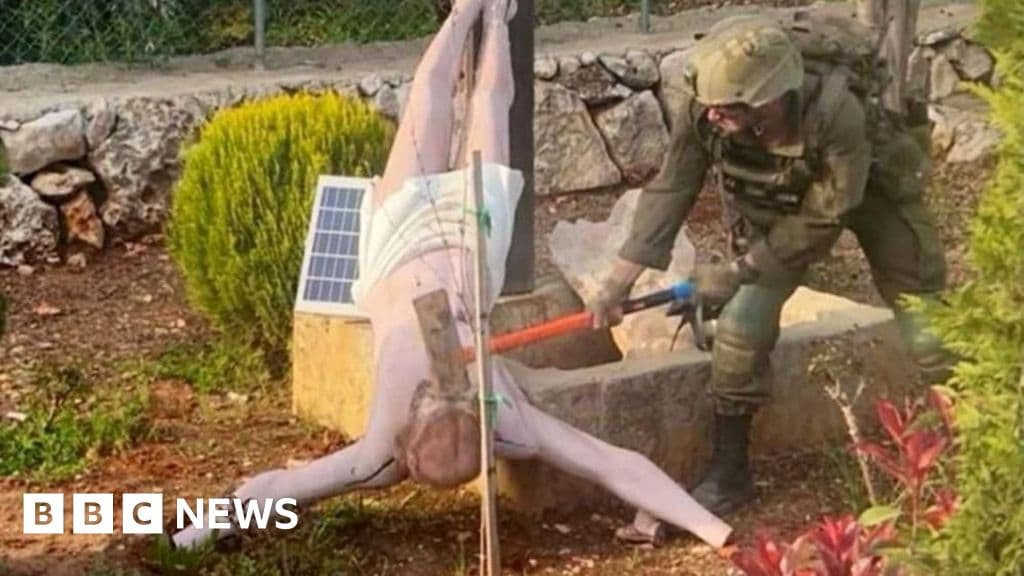
GlipzoAn incident involving an Israeli soldier vandalizing a statue of Jesus in southern Lebanon has ignited widespread outrage and condemnation across social media platforms. The shocking image, which depicts a soldier swinging a sledgehammer at the statue, has drawn ire from various communities, including political leaders and religious figures, prompting discussions about religious sensitivity and military conduct.
The Israeli Prime Minister, Benjamin Netanyahu, expressed his dismay, stating he was "stunned and saddened" by the event. Gideon Saar, Israel’s Foreign Minister, issued an apology on behalf of the government, saying, “We apologize for this incident and to every Christian whose feelings were hurt.” This incident has not only provoked anger within Lebanon but has also raised questions about the treatment of religious symbols in conflict zones.
Located in the village of Debel, where some residents have remained amid the ongoing conflict with Hezbollah, the statue was positioned on a crucifix outside a family home. Father Fadi Flaifel, the head of the local congregation, spoke out against the act, emphasizing that it represents a deep disregard for sacred symbols. He remarked, "We totally reject the desecration of the cross, our sacred symbol, and all religious symbols. It goes against the declaration of human rights and does not reflect civility."
Flaifel also noted that such acts of vandalism have occurred in the past, indicating a troubling pattern of behavior towards religious icons amid the violence that has engulfed the region. The Israeli military confirmed the authenticity of the image and described the soldier's actions as inconsistent with the values expected of their troops. They stated that “appropriate measures” would be taken against those involved and that efforts are underway to restore the damaged statue.
The incident has also caught the eye of U.S. officials, including Ambassador Mike Huckabee, who called for “swift, severe, & public consequences” on social media platform X. Right-wing commentators in the U.S. did not hold back either; former congressman Matt Gaetz labeled the image as “horrific,” while Marjorie Taylor Greene echoed similar sentiments, questioning the U.S. government's support for Israel, stating: "Our greatest ally that takes billions of our tax dollars and weapons every year."
These reactions signal a potential shift in the relationship between the U.S. and Israel, particularly as recent polls suggest a growing discontent with Israel among Americans. A Pew Research Center survey indicates that 60% of U.S. adults now hold an unfavorable view of Israel, up from 53% the previous year. This trend could have far-reaching implications for U.S. foreign policy as public opinion evolves in response to international events.
The tension surrounding religious sites and symbols is not a new issue in the region. A previous incident occurred last month when Israeli police barred the top Roman Catholic leader in Jerusalem from entering the Church of the Holy Sepulchre for a private Mass, citing safety concerns due to the ongoing conflict with Iran. Huckabee described this as an “unfortunate overreach,” suggesting that such actions could have significant repercussions globally.
Recent reports, such as one from the Rossing Center, indicate a troubling increase in hostility towards Christianity within Israel. They attribute this rise to heightened polarization and the influence of ultra-nationalist political trends, which may be exacerbating existing tensions between different faith communities in the region.
In light of the recent vandalism, Netanyahu attempted to reassure the Christian community, stating in an English-language post that the Christian population in Israel thrives unlike in other parts of the Middle East. He emphasized that Israel is the only country in the region where the Christian population is growing and that it upholds freedom of worship for all.
However, this assertion may be challenged by the experiences of many religious leaders and communities who have faced restrictions and hostility. As the Israeli military continues to be active in southern Lebanon following a recent U.S.-brokered ceasefire, the potential for further incidents looms large.
Moving forward, this incident raises critical questions about the conduct of military personnel in conflict zones, particularly regarding respect for religious symbols. The Israeli Defense Forces (IDF)’s commitment to address the soldier's conduct is a step towards acknowledging the importance of religious sensitivities, but the effectiveness of these measures remains to be seen.
As tensions persist between Israel and Hezbollah, and with U.S. public opinion shifting, it will be crucial to monitor how these dynamics evolve. Observers will also be watching for any further incidents that may exacerbate religious tensions in the region, as well as the potential ramifications for Israel’s international relationships. The world is keenly attuned to how Israel navigates this delicate landscape in the months to come.
This event underscores the intersection of military actions and religious sensitivities, highlighting the impact of such incidents on international relations and domestic opinions. As the situation develops, it serves as a poignant reminder of the need for respect and understanding in times of conflict, particularly regarding deeply held beliefs and symbols. The world is watching closely as Israel grapples with its identity in a complex geopolitical landscape.
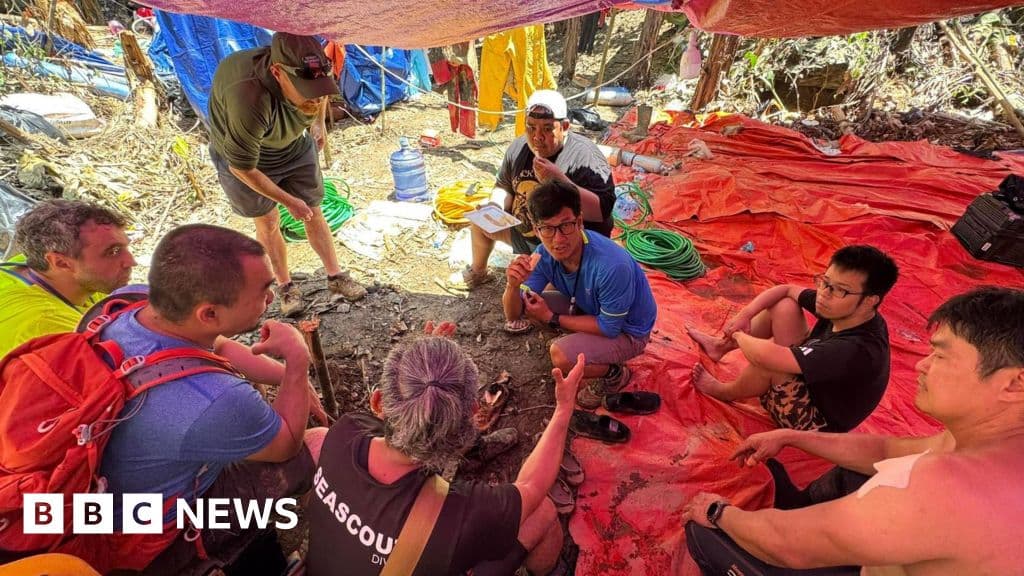
Survivors of the Laos cave rescue are aiding efforts to find the last two missing men trapped inside, sharing crucial insights for the search operation.
BBC World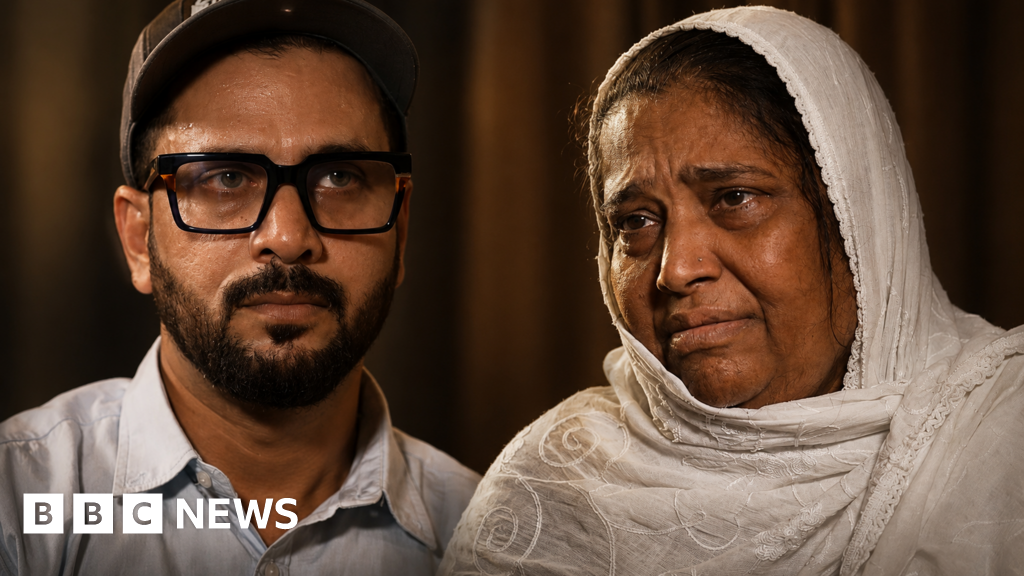
A year after the tragic Air India crash, the Ali family reflects on grief, unanswered questions, and the enduring bonds of love in the face of loss.
BBC Business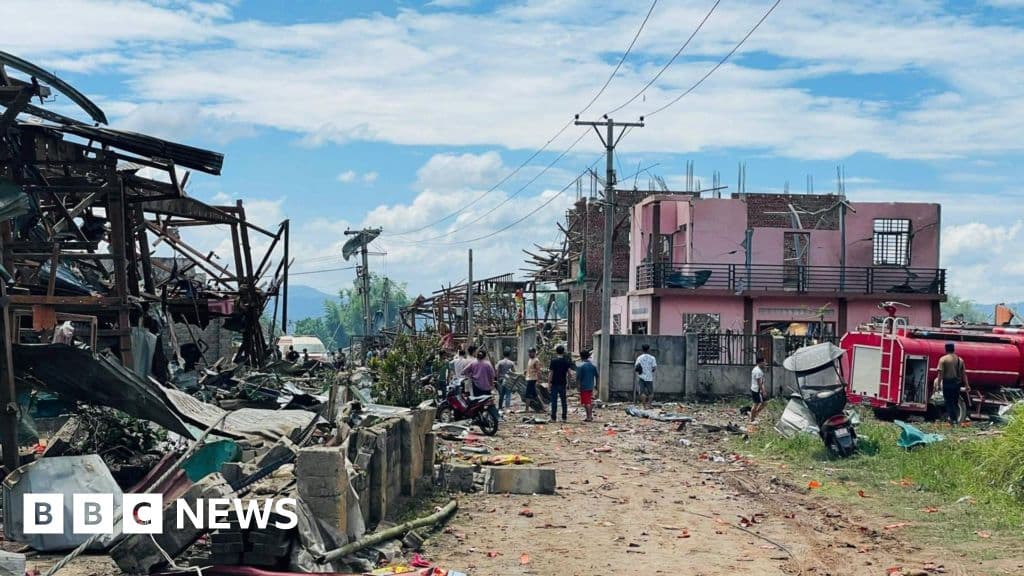
A devastating explosion in Myanmar's Kaung Tat village has killed at least 55 people, raising serious safety concerns and questions about civilian protection in conflict zones.
BBC World