
Image: BBC World
Japan issues urgent tsunami warnings after a massive 7.7 earthquake. With risks of stronger quakes looming, what should citizens be prepared for next?
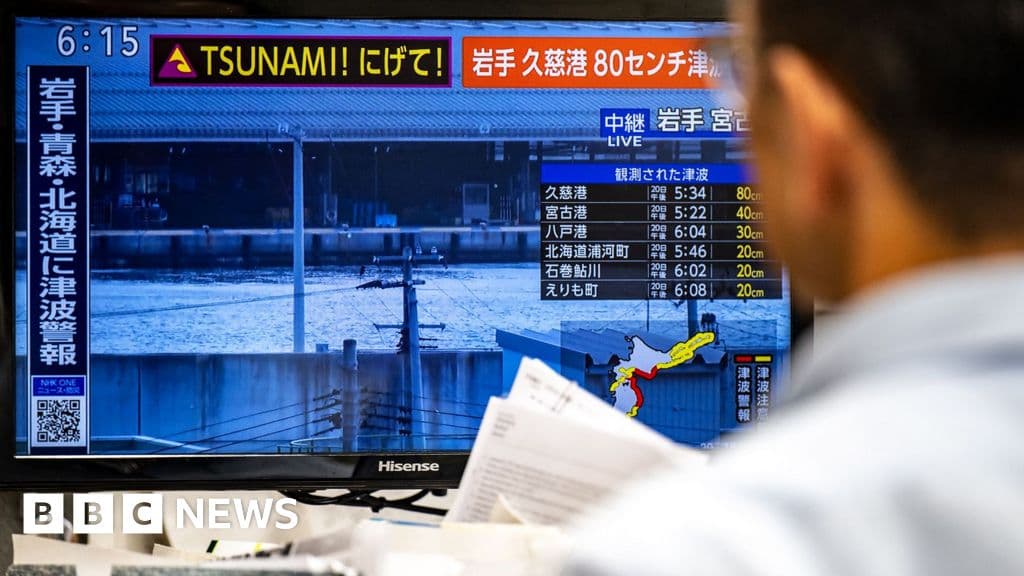
GlipzoJapan is currently on high alert after a powerful 7.7 magnitude earthquake struck off its northeast coast, raising concerns about the potential for a more significant seismic event in the coming week. The earthquake, which occurred in Iwate Prefecture at approximately 4:52 PM local time (08:52 BST), prompted immediate evacuation orders and warnings of tsunami waves reaching up to 3 meters.
In the aftermath of the quake, thousands of residents were instructed to evacuate coastal regions and seek refuge in higher ground, showing the country's preparedness and responsiveness to natural disasters. Tremors were felt as far away as Tokyo, located about 530 kilometers (330 miles) from the earthquake's epicenter.
Following the initial quake, Japan's Meteorological Agency (JMA) issued stern warnings that the risk of another earthquake measuring 8.0 or higher has increased significantly. This warning is particularly alarming given Japan's history of devastating earthquakes, including the catastrophic event in 2011 that resulted in over 18,000 deaths and a nuclear meltdown at the Fukushima plant.
After the quake, the largest tsunami waves recorded reached 80 centimeters, yet authorities remain cautious. They caution that further seismic activity could lead to even larger waves, potentially endangering coastal communities once again. The JMA has urged citizens to remain vigilant, emphasizing that stronger quakes could still be on the horizon.
In the wake of the earthquake, several bullet train services were disrupted, and approximately 100 homes experienced power outages. Fortunately, Japan's Cabinet Secretary Minoru Kihara reported no immediate major damages or injuries, which is a testament to the nation’s robust seismic safety measures.
Residents like Chaw Su Thwe, a Myanmar national in Hokkaido, described the scene during the quake, stating, "As soon as we heard the earthquake alert, everyone ran downstairs. However, this time the shaking was relatively mild." This sentiment reflects the preparedness of the populace, as local authorities utilized loudspeakers to alert residents about potential tsunamis and encouraged them to stay alert and informed.
Japan’s geographical position on the Ring of Fire makes it susceptible to seismic events, experiencing around 1,500 earthquakes annually. Remarkably, the country accounts for 10% of global earthquakes measuring 6.0 or higher. Given this reality, the Japanese government has instilled a culture of preparedness among its citizens, a practice that has proved vital in minimizing casualties during such events.
In light of the recent quake, officials emphasized the need for the public to heed evacuation orders and stay away from coastal areas until the JMA officially declares the threat over. Prime Minister Sanae Takaichi urged citizens to seek refuge in “higher, safer places,” highlighting the seriousness with which the government is approaching this situation.
As Japan grapples with the aftermath of this significant earthquake, the focus now shifts to monitoring the situation closely. The JMA has indicated that the risk for further seismic activity remains higher than usual, and scientists will be keeping a watchful eye on the region in the coming days.
Authorities will continue to disseminate information to the public regarding safety measures and updates on seismic activity. The recent events serve as a stark reminder of the unpredictability of nature, and the importance of being prepared for emergencies.
In summary, while the immediate danger may have subsided with the recent downgrade of the tsunami alert, the potential for additional seismic events looms large. Citizens and government officials alike must remain vigilant as they navigate the uncertainties ahead.
This situation underscores the ongoing challenges faced by nations situated along tectonic plate boundaries. The preparedness and resilience demonstrated by Japan can serve as a model for other countries vulnerable to natural disasters. As communities reflect on the lessons learned from past tragedies, the emphasis on safety, awareness, and rapid response continues to be paramount.
Moving forward, residents and authorities must remain alert, and the global community should engage in discussions about disaster preparedness to mitigate the risks associated with such natural disasters in the future.
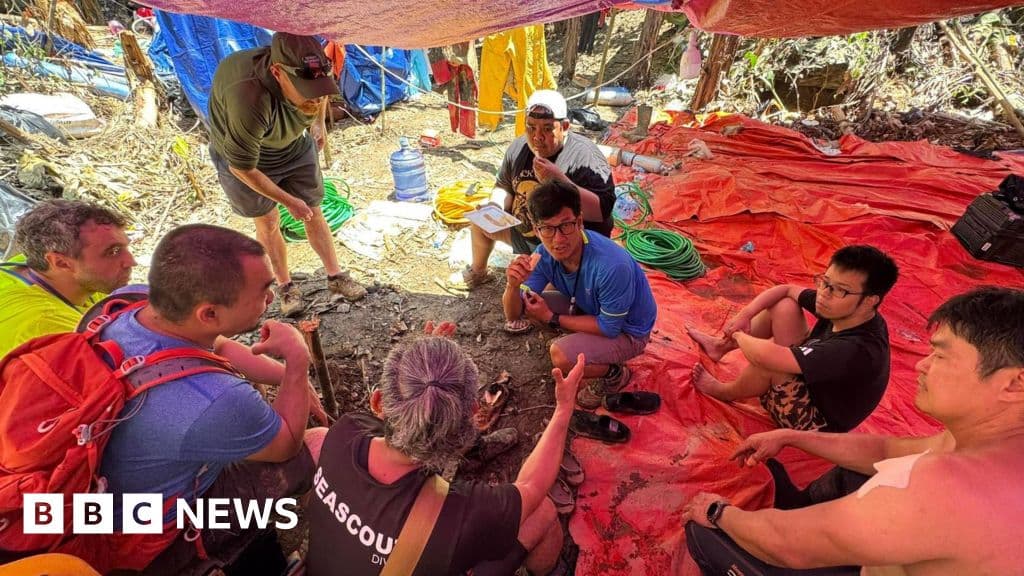
Survivors of the Laos cave rescue are aiding efforts to find the last two missing men trapped inside, sharing crucial insights for the search operation.
BBC World
A year after the tragic Air India crash, the Ali family reflects on grief, unanswered questions, and the enduring bonds of love in the face of loss.
BBC Business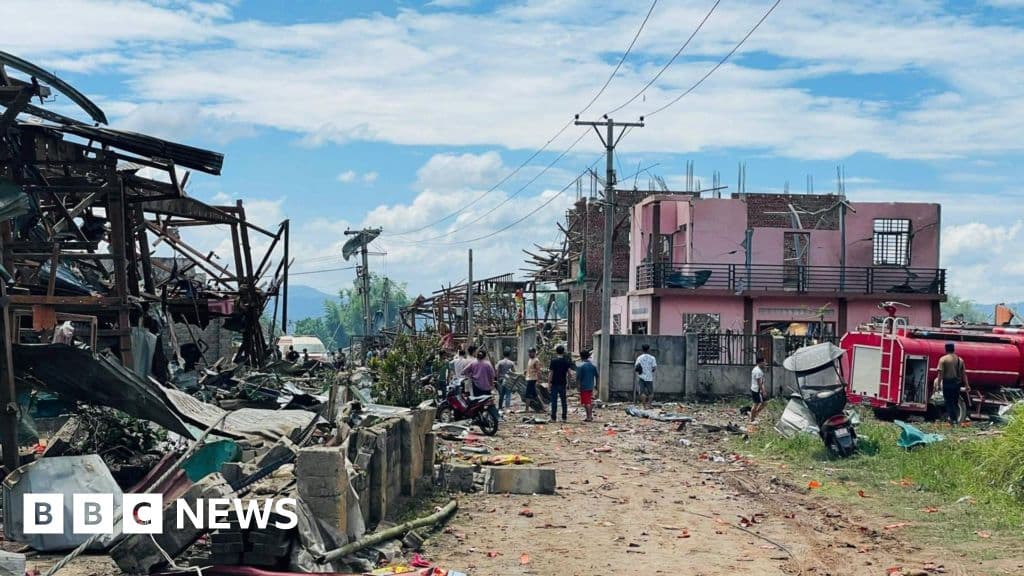
A devastating explosion in Myanmar's Kaung Tat village has killed at least 55 people, raising serious safety concerns and questions about civilian protection in conflict zones.
BBC World