

Image: BBC Business
Snap Inc. lays off 1,000 employees as CEO Evan Spiegel emphasizes AI's role in enhancing efficiency. What does this mean for the future of work?
GlipzoSnap Inc., the parent company of Snapchat, has recently taken a dramatic step by laying off approximately 1,000 employees, which accounts for 16% of its workforce. This decision comes as part of the company’s effort to adapt to the growing capabilities of artificial intelligence (AI) tools, which are seen as essential to streamlining operations and reducing costs. In a financial disclosure, the company announced not only the layoffs but also the withdrawal of hundreds of open positions.
Evan Spiegel, co-founder and CEO of Snap, characterized this moment as a "crucible moment" for the company. He emphasized that the layoffs are aimed at generating an annual savings of $500 million (£368 million). Spiegel indicated that the remaining employees would increasingly leverage AI technologies to "reduce repetitive work and increase velocity." He acknowledged that the transition would be complex and would not happen seamlessly.
This layoff marks the third significant workforce reduction at Snap since 2022. The previous major cut saw 20% of staff laid off, reflecting a troubling trend within the tech industry. The shift towards AI has sparked broader discussions about the future of work, especially as many companies are beginning to rely more heavily on these technologies.
In a public letter addressed to Spiegel, Irenic Capital Management, an activist investor, expressed concern over Snap's longstanding unprofitability despite having millions of monthly users. The investor highlighted the alarming fact that someone who invested $1 in Snap at its public launch in 2017 would now see that stake worth only 23 cents. This situation illustrates the pressures Snap faces from investors, who are demanding more efficient operations and financial performance.
The pressure from Irenic Capital reflects a growing trend among investors who are increasingly focused on profitability, especially in a post-pandemic economy that has shifted the tech landscape. Spiegel's memo indicated that Snap must adopt a "new way of working" that emphasizes speed and efficiency as it navigates towards profitable growth.
The layoffs at Snap are not isolated incidents but part of a larger wave of job cuts in the tech sector. Major companies such as Amazon, Meta, Block, Pinterest, and Atlassian have collectively reduced their workforces by thousands this year alone. Executives across these companies have pointed to the rise of AI as a primary reason for needing fewer employees.
This trend has raised eyebrows and concerns within the tech community. Jack Dorsey, CEO of Block and former CEO of Twitter, remarked that the emergence of AI tools represents a "fundamental change" in how companies operate. He cautioned that job cuts could continue across the industry, with many organizations expected to make similar decisions in the upcoming year.
As Snap navigates through these changes, the focus on AI tools raises critical questions about the future workforce. Will companies continue to rely on technology to replace human resources, or will there be a balance struck between human creativity and AI efficiency? For Snap, the immediate future involves implementing new AI strategies while managing the fallout from significant layoffs.
The implications of Snap's decision extend beyond its own employees. As AI becomes more integrated into business processes, the nature of work is likely to evolve dramatically. Companies may need to rethink their staffing structures and invest in employee retraining to adapt to new technologies. This transition could shape the job market for years to come, prompting current and future workers to develop skills that complement AI capabilities.
For tech enthusiasts and industry observers, Snap’s recent moves signal a pivotal moment in the tech landscape. Stakeholders will want to monitor how effectively Snap implements its AI strategies and whether these changes lead to a sustainable business model. The company’s journey may serve as a case study for the broader tech community grappling with similar challenges.
As we look ahead, it will be crucial to observe how Snap manages its workforce and the effectiveness of its AI integration. Will the company emerge stronger, or will the layoffs hinder its ability to innovate? The answers to these questions could define Snap's future and influence the trajectory of the tech industry as a whole.

Commercial LPG prices have risen again, with increases of ₹42 in Delhi and ₹53.50 in Kolkata impacting businesses and consumers alike. Find out more.
Indian Express
Discover how a tragic coal mine explosion in Shanxi, China, reveals ongoing safety concerns in the industry amidst a push for green energy.
BBC Business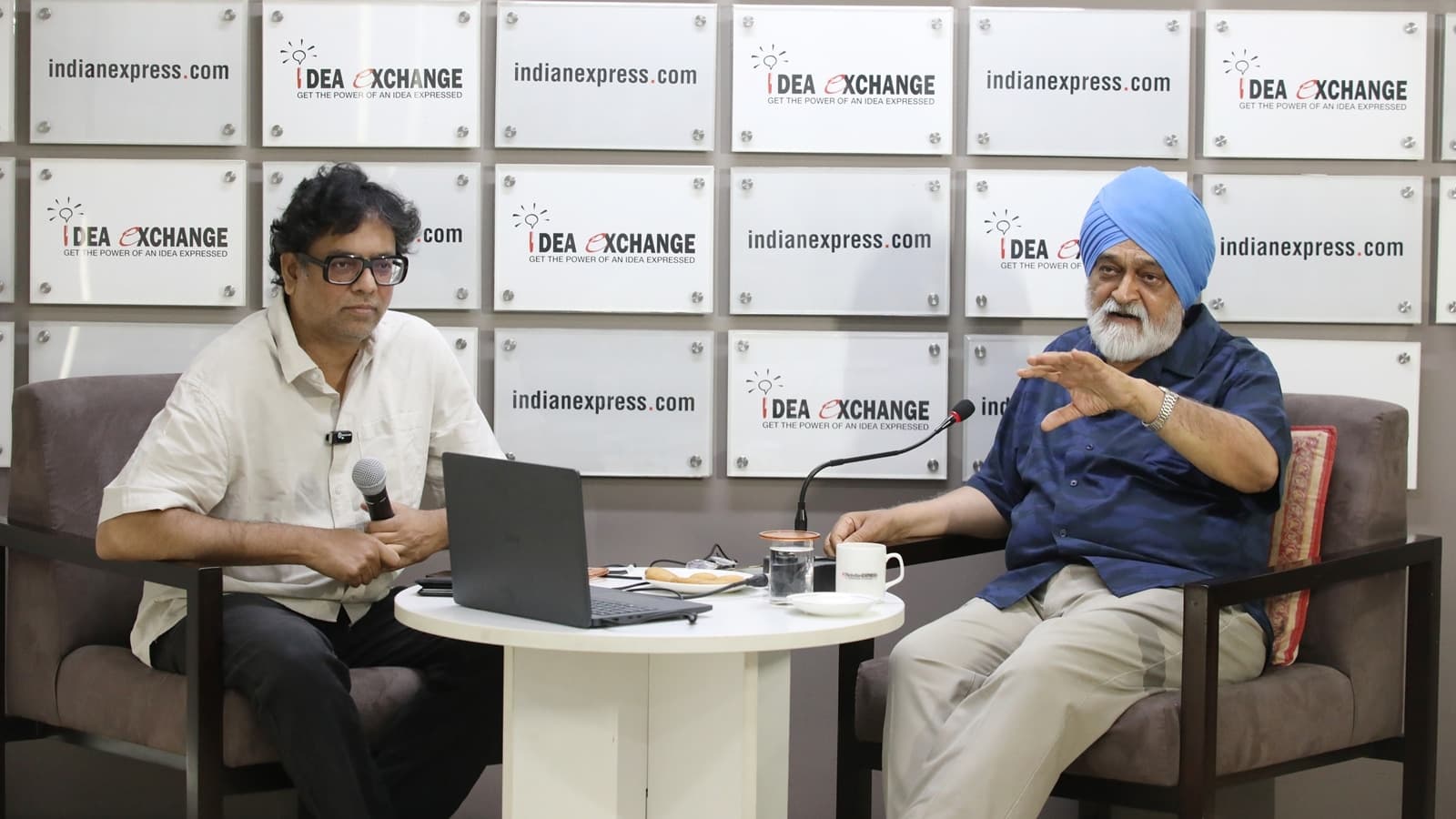
Montek Singh Ahluwalia highlights key economic challenges for India, emphasizing the need for a strategic approach to balance payments and investment.
Indian Express