

Image: The Hindu
Six individuals were arrested in Secunderabad for selling adulterated dairy products, while two were caught running an illegal pickle unit. Learn more about food safety.
GlipzoIn a significant enforcement operation on March 18, 2026, six individuals were apprehended in Secunderabad for their involvement in the sale of adulterated and unhygienic dairy products, including paneer. This operation underscores the ongoing battle against food safety violations in India.
The arrested individuals have been identified as Jaipal Singh Rajpurohit, Kolariya Vaibhav, Naresh Kolariya, Prem Anil Vyas, Ram Kishore Kolariya, and Laxmi Narayana Kolariya. Officials from the Commissioner’s Task Force of the Khairatabad Zone collaborated with a food safety officer to execute a surprise inspection at several wholesale and retail outlets near Ganj Bazaar, adjacent to Mahankali Temple.
During the raid, the inspectors discovered that these individuals were sourcing their dairy products from unidentified suppliers and selling them in bulk to various local businesses, including hotels and catering services. Alarmingly, the dairy items were found in open plastic covers, exposed to dust, flies, and other potential contaminants, rendering them unsafe for consumption. Furthermore, the products lacked crucial labeling information, such as brand names, manufacturing dates, and expiration dates, and there were no pest control records available.
In total, authorities seized approximately 3,892 kg of dairy goods, which included paneer, khoa, white cream, ghee, and kalakand. The market value of these items is estimated at around ₹11.1 lakh. Following the operation, the suspects and the confiscated goods were transferred to the Mahankali police station for further legal proceedings.
This operation is a critical reminder of the importance of food safety regulations and the necessity for strict enforcement to protect public health. The prevalence of such illegal activities poses a serious risk to consumers, particularly in densely populated urban areas where food safety can easily be compromised.
In a separate incident on the same day, the Kulsumpura police arrested two men for operating an illegal pickle manufacturing unit in Jiyaguda. The accused, identified as N. Narsimha, aged 54, and N. Naresh, aged 45, were found producing pickles under unsanitary conditions at a godown located in Venkateshwara Nagar.
The police discovered that the men were using spoiled vegetables and low-quality raw materials to make their pickles, which were then sold at discounted rates to local shops. This practice not only violates health regulations but also poses serious health risks to unsuspecting consumers who may purchase these contaminated products.
Authorities seized a substantial quantity of pickles during the operation, including 72 drums of various pickles, six drums of tomato and tamarind paste, one drum of ginger garlic paste, and a weighing machine. The operation led to a case being registered at the Kulsumpura police station under relevant provisions of the Bharatiya Nyaya Sanhita, and further investigations are currently underway.
These incidents highlight a growing concern regarding food safety practices in India. The adulteration of food products not only violates consumer trust but can also lead to significant health issues. With the rise in demand for dairy and processed foods, ensuring the integrity of these products has become more critical than ever.
The Indian government has set various food safety regulations to combat adulteration, aiming to protect consumers from harmful substances. However, the effectiveness of these regulations relies heavily on enforcement and public awareness. As incidents like these come to light, it's imperative for consumers to stay vigilant and report suspicious food practices.
Moving forward, it is essential for regulatory bodies to enhance their inspection processes and for the public to remain informed about food safety practices. Continuous efforts in education regarding food adulteration can empower consumers to make safer choices.
As health authorities ramp up their efforts to combat food adulteration, consumers can expect to see increased inspections and crackdowns on illegal food operations. This could lead to a safer food environment, but it also requires active participation from the community in reporting violations and prioritizing food safety.
Stay tuned for further updates as investigations into these cases progress, and ensure you are informed about the latest food safety practices to protect yourself and your family.

Shocking findings from Nottingham's maternity unit reveal a toxic culture and alarming neglect. What can be done to improve care? Discover the details.
BBC Health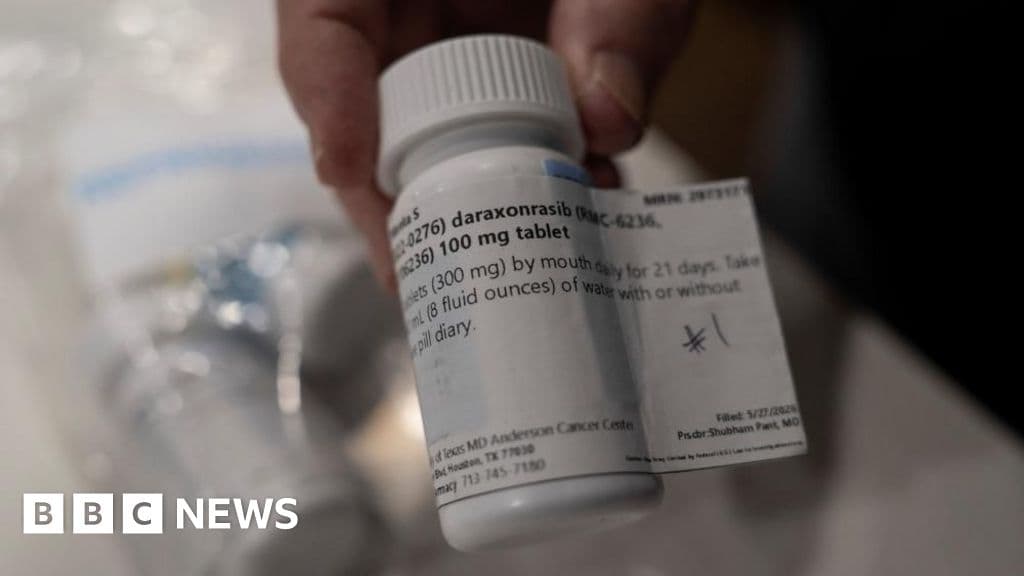
Discover how daraxonrasib, a new pill, is nearly doubling survival rates for pancreatic cancer patients, offering hope in a challenging battle against this deadly disease.
BBC Health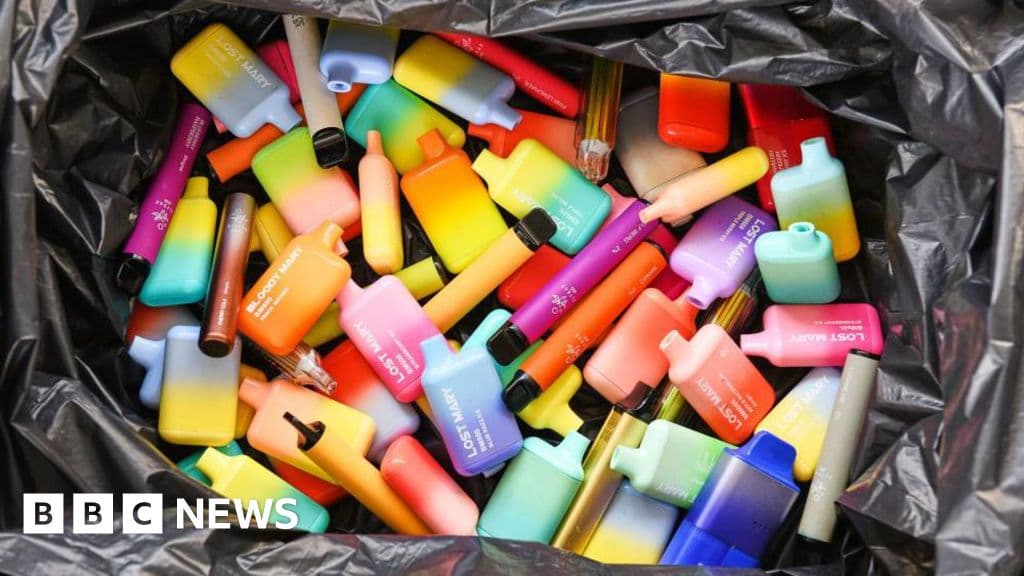
Waste companies propose a £5 deposit on vapes to encourage proper disposal and curb littering as the environmental impact of vapes increases.
BBC Business