
Image: BBC Business
A sister’s tragic loss sparks a push for stricter regulations on alcohol sales via delivery apps. What changes are on the horizon? Read more to find out.
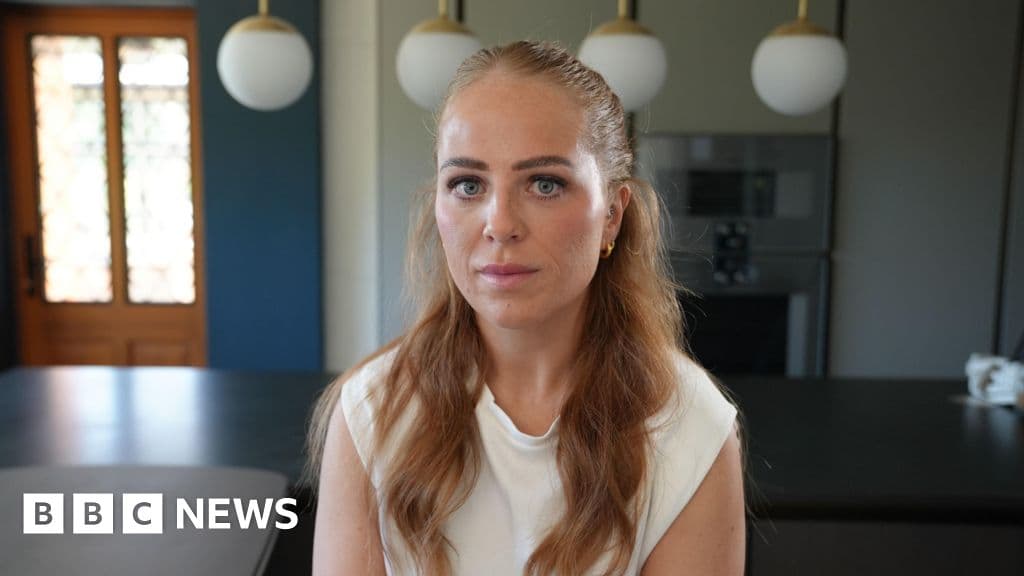
GlipzoIn a heart-wrenching turn of events, Alex Hughes, a 31-year-old advocate, is rallying for significant reforms in alcohol delivery services following the untimely death of her sister, Zoe Hughes. Alex launched a petition aimed at prohibiting the sale of alcohol through popular delivery apps like Deliveroo, Just Eat, and Uber Eats. The tragic incident occurred in 2023, when Zoe, just 35 years old, suffered fatal injuries after a fall at her home in Lincoln while under the influence of alcohol.
Zoe's spending habits, which included purchasing upwards of £1,000 to £1,500 monthly on alcohol through these apps, have raised serious concerns about the accessibility of alcohol in today's digital age. Alex asserts that the convenience of ordering alcohol online has contributed to her sister's downward spiral into addiction.
"It was shocking for us to discover she had a drinking problem," Alex said, reflecting on her sister's life, which revolved around her children and family. Initially, Zoe lived in a rural area, which limited her access to alcohol. However, after relocating to an urban environment, her alcohol consumption dramatically increased.
According to Alex, Zoe's daily intake soared to between five and seven bottles of wine, gin, or vodka before her tragic death. The ease of accessing alcohol via delivery apps played a pivotal role in this crisis. "All she had to do was go on her phone, click a few buttons, and it would be delivered in as quick as 20 minutes," Alex explained, underscoring the alarming speed at which alcohol could be obtained.
The inquest into Zoe's death concluded it was accidental, with the coroner stating that her injuries were likely a result of an unwitnessed fall while intoxicated. This tragic incident has prompted Alex to advocate for stricter regulations on alcohol sales through delivery services.
Key reforms proposed by Alex include: - A cap on the amount of alcohol that can be ordered within a 24-hour period. - Time restrictions preventing orders in the early morning hours. - A register for users similar to those used in gambling, allowing individuals to block themselves from using these apps.
The Licensing Act 2003 already outlines the regulations for the sale and supply of alcohol, making it illegal to sell to someone who is visibly drunk. Delivery companies claim to enforce age checks and instruct their drivers to refrain from leaving alcohol with intoxicated customers. However, advocates like Joe Marley, director of Alcohol Change UK, argue that existing laws are outdated and fail to address the realities of modern alcohol consumption patterns.
"We need to revisit the licensing act," Marley states, emphasizing the need for regulations that reflect current societal conditions. The charity is pushing for the government to reconsider delivery hours and facilitate easier access for individuals to block their ability to order from these apps.
The issue of alcohol delivery extends beyond statistics and petitions; it resonates deeply with individuals battling addiction. Hattie Underwood, a 35-year-old recovering alcoholic from London, shares her struggle with alcohol dependence exacerbated by the convenience of delivery services. Hattie recalls using these apps during her worst moments, stating, "Psychologically, they took all the barriers out of the way."
Despite suffering from a severe stomach ulcer caused by her drinking, she continued to order alcohol online, often unable to resist the urge before her self-imposed cutoff times. Similarly, Daniel Dobbs, a 39-year-old recovering alcoholic and coach for the Lincolnshire Recovery Partnership, has witnessed firsthand the devastation alcohol can wreak on lives. "I support any measures that protect vulnerable individuals from addiction," he expressed, emphasizing the need for responsible practices in alcohol sales.
As the debate surrounding alcohol delivery services continues, the call for reform grows louder. Advocates like Alex Hughes are determined to ensure that no other family has to experience the heartbreak of losing a loved one to alcohol-related incidents. The government has indicated that it is reviewing current licensing regulations, which raises the hope for potential changes that could safeguard vulnerable consumers.
The conversation around responsible alcohol sales is more pertinent than ever, as delivery apps become increasingly popular. Alex's advocacy shines a light on the urgent need for reforms that balance consumer rights with the protection of those at risk of addiction.
Looking ahead, here are key areas to monitor: - Potential changes in legislation regarding alcohol delivery services. - The effectiveness of proposed caps on alcohol purchases and delivery hours. - Public response to the advocacy efforts surrounding more stringent regulations.
As society navigates these complex issues, the call for responsible alcohol consumption and the protection of vulnerable individuals remains paramount. The tragic loss of Zoe Hughes serves as a somber reminder of the consequences of unchecked access to alcohol and highlights the urgent need for change in the industry.

Shocking findings from Nottingham's maternity unit reveal a toxic culture and alarming neglect. What can be done to improve care? Discover the details.
BBC Health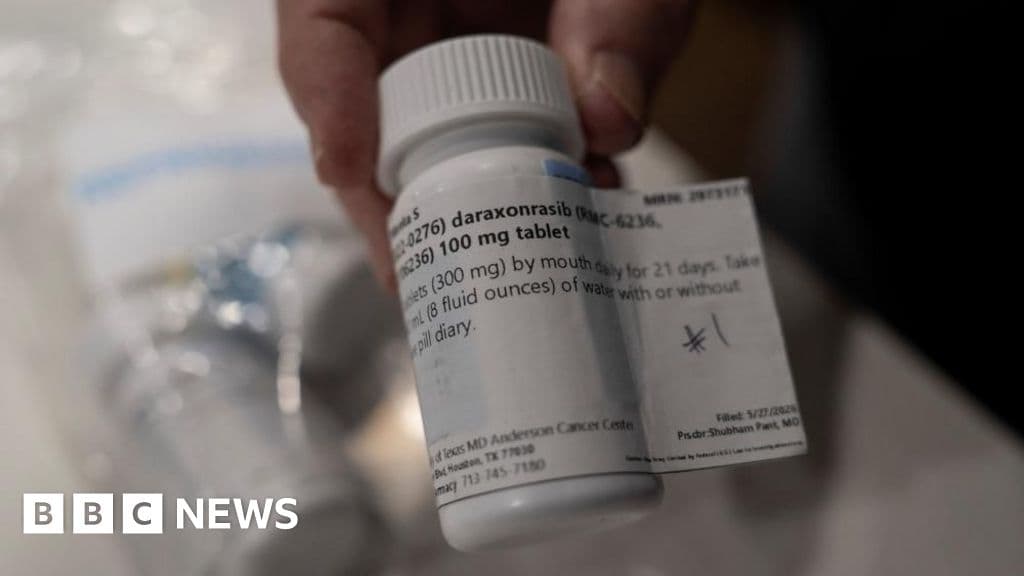
Discover how daraxonrasib, a new pill, is nearly doubling survival rates for pancreatic cancer patients, offering hope in a challenging battle against this deadly disease.
BBC Health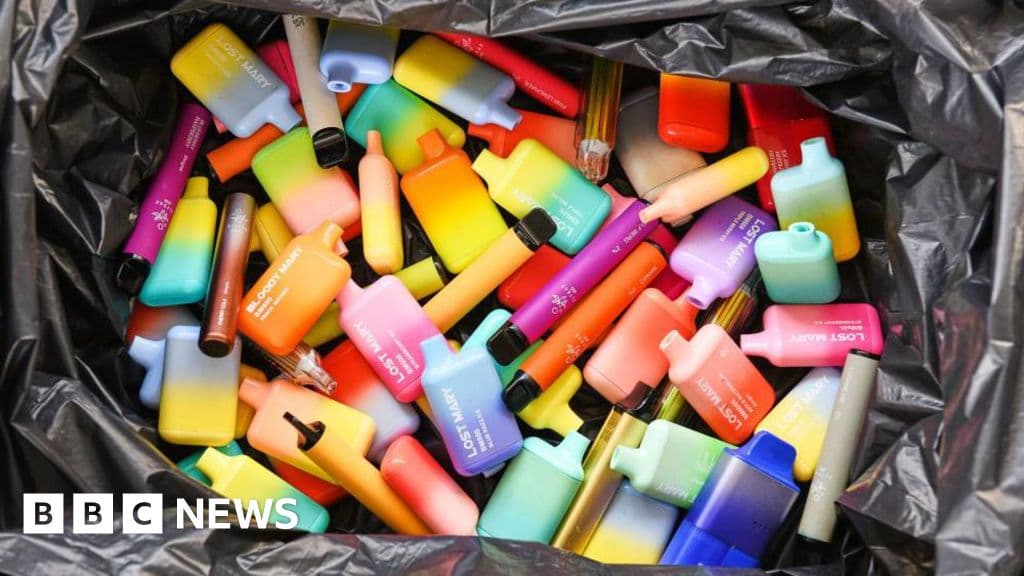
Waste companies propose a £5 deposit on vapes to encourage proper disposal and curb littering as the environmental impact of vapes increases.
BBC Business