Glipzo
WorldTechnologyBusinessSportsEntertainmentScienceHealthPolitics
Glipzo
WorldTechnologyBusinessSportsEntertainmentScienceHealthPolitics
  1. Home
  2. /
  3. Health
  4. /
  5. Shocking Vitamin D Overdose Leaves Young Boy Hospitalized
Shocking Vitamin D Overdose Leaves Young Boy Hospitalized

Image: BBC Health

Health
Friday, April 17, 20265 min read

Shocking Vitamin D Overdose Leaves Young Boy Hospitalized

A shocking vitamin D overdose hospitalized a young boy, raising urgent questions about supplement regulations. Discover the full story and its implications.

Glipzo News Desk|Source: BBC Health
Share
Glipzo

Key Highlights

  • Seven-year-old Roo hospitalized due to vitamin D overdose.
  • Faulty vitamin D supplements found to be 7 times too concentrated.
  • Experts call for stricter regulation of dietary supplements.
  • Family's relief turns to anger over lack of safety measures.

In this article

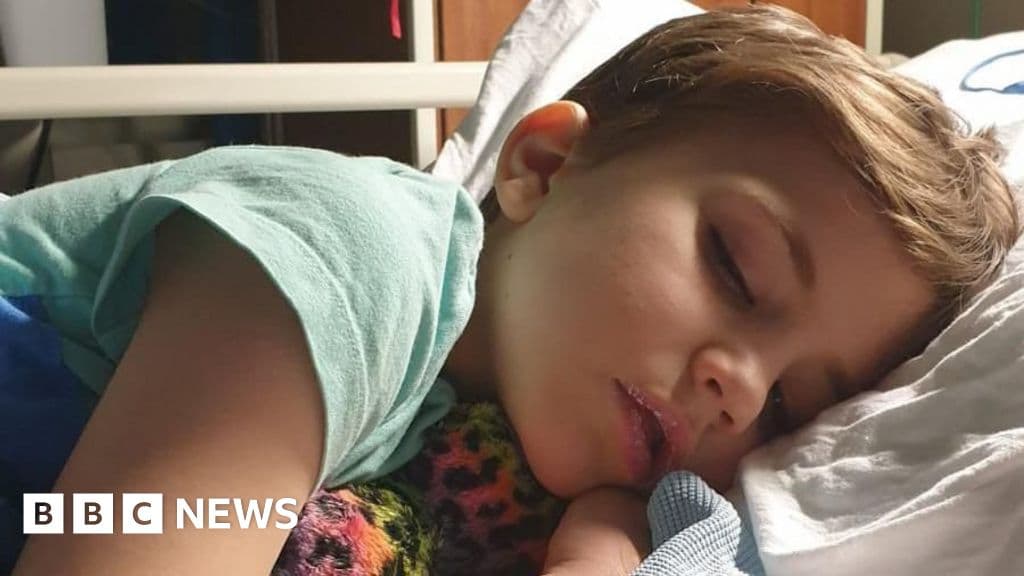
  • A Mysterious Illness Unveiled Last year, **seven-year-old Roo** faced a sudden health crisis that left his family and doctors in a state of alarm. Roo's troubling symptoms included **significant weight loss** and an insatiable thirst, prompting concerns about a potential brain tumor. However, after thorough medical examinations, the real culprit was uncovered: an accidental **overdose of vitamin D**. This revelation not only shocked his parents but also raised critical questions about the regulation of dietary supplements in the UK.
  • Understanding Vitamin D and Its Risks Vitamin D plays an essential role in maintaining **calcium and phosphate levels** in the body, which are crucial for healthy bones and muscles. Although many adults take vitamin D as an over-the-counter supplement, higher dosages prescribed by healthcare professionals are still classified as food supplements. This classification means they are not monitored by the **Medicines and Healthcare products Regulatory Agency (MHRA)**, but rather by the **Food Standards Agency (FSA)**.
  • Roo's Journey: From Diagnosis to Discovery In December 2024, Roo was referred to **paediatricians** at **Crosshouse Hospital** in Kilmarnock, Ayrshire, after experiencing intense pain in his legs. Initial blood tests indicated a slightly low level of vitamin D, leading to the recommendation of a high-dose vitamin D3 supplement.
  • The Turning Point: Uncovering the Source of Poisoning Roo's case drew the attention of medical teams at **Glasgow's Royal Hospital for Children**. A serendipitous phone call from an endocrinologist provided the breakthrough needed. The endocrinologist inquired about a **bad batch** of vitamin D3 supplements, prompting Roo's medical team to cross-reference the batch number with the bottle he was using.
  • Regulatory Gaps and the Need for Change The **Food Standards Agency (FSA)** recalled the faulty batches of vitamin D3 on **January 9**, but the recall process highlighted significant flaws. In Scotland, the **Food Standards Scotland (FSS)**, responsible for overseeing such matters, failed to communicate the alert effectively, leading to a gap in safety measures that could protect children like Roo.
  • Why It Matters: The Implications of Roo’s Story Roo's harrowing experience underscores a crucial public health issue: the **safety and regulation of dietary supplements**. As more people turn to over-the-counter vitamins and supplements to maintain their health, the importance of effective regulatory frameworks cannot be overstated. This case highlights the urgent need for oversight agencies to ensure that products are safe and correctly dosed.
  • Looking Ahead: Potential Changes in Supplement Regulations Following this alarming incident, it remains to be seen whether regulatory bodies will take actionable steps to alter the current landscape surrounding vitamin D and other dietary supplements. The hope is that stricter regulations will be enacted to ensure that no child or adult has to endure a crisis like Roo's.

A Mysterious Illness Unveiled Last year, **seven-year-old Roo** faced a sudden health crisis that left his family and doctors in a state of alarm. Roo's troubling symptoms included **significant weight loss** and an insatiable thirst, prompting concerns about a potential brain tumor. However, after thorough medical examinations, the real culprit was uncovered: an accidental **overdose of vitamin D**. This revelation not only shocked his parents but also raised critical questions about the regulation of dietary supplements in the UK.

Roo had been prescribed vitamin D3 drops to manage growing pains, a common issue among children. Unbeknownst to his family, the drops came from a contaminated batch that was seven times more potent than the standard dosage. This mistake led to Roo suffering from acute kidney injury, and medical experts have stated that the situation could have been fatal if he had continued the prescribed course.

Understanding Vitamin D and Its Risks Vitamin D plays an essential role in maintaining **calcium and phosphate levels** in the body, which are crucial for healthy bones and muscles. Although many adults take vitamin D as an over-the-counter supplement, higher dosages prescribed by healthcare professionals are still classified as food supplements. This classification means they are not monitored by the **Medicines and Healthcare products Regulatory Agency (MHRA)**, but rather by the **Food Standards Agency (FSA)**.

Experts are calling for a reevaluation of how vitamin supplements are regulated, especially following this incident. According to one leading specialist, the MHRA should take a more active role in overseeing the safety of these products, particularly given the severe consequences of the overdose Roo experienced.

Roo's Journey: From Diagnosis to Discovery In December 2024, Roo was referred to **paediatricians** at **Crosshouse Hospital** in Kilmarnock, Ayrshire, after experiencing intense pain in his legs. Initial blood tests indicated a slightly low level of vitamin D, leading to the recommendation of a high-dose vitamin D3 supplement.

Over the following weeks, Roo's health declined alarmingly. His mother, Carys Hobbs-Sargeant, described his behavior, saying he seemed “really sick,” losing over 10% of his body weight and exhibiting extreme fatigue. Despite the initial concerns not pointing to the vitamin D supplement, Roo's symptoms continued to worsen.

When Roo's condition became critical, doctors conducted further blood tests and discovered he had developed hypercalcaemia, a dangerously high level of calcium in the blood. This alarming finding led to fears of a brain tumor, and preparations were made for an MRI scan.

The Turning Point: Uncovering the Source of Poisoning Roo's case drew the attention of medical teams at **Glasgow's Royal Hospital for Children**. A serendipitous phone call from an endocrinologist provided the breakthrough needed. The endocrinologist inquired about a **bad batch** of vitamin D3 supplements, prompting Roo's medical team to cross-reference the batch number with the bottle he was using.

This investigation revealed that Roo had indeed been consuming drops from a faulty batch of Aactive D3 supplements manufactured by TriOn Pharma. The discovery was both a relief and a frustration for his family, as Carys expressed: “You felt relieved and lucky and angry all at the same time that it wasn't cancer, but it was something that had happened to him. It's poisoning, essentially.”

Regulatory Gaps and the Need for Change The **Food Standards Agency (FSA)** recalled the faulty batches of vitamin D3 on **January 9**, but the recall process highlighted significant flaws. In Scotland, the **Food Standards Scotland (FSS)**, responsible for overseeing such matters, failed to communicate the alert effectively, leading to a gap in safety measures that could protect children like Roo.

The incident has triggered discussions among health professionals and regulators about the need for stronger oversight regarding vitamin supplements. The lack of stringent regulations and the classification of these products as food supplements can potentially endanger consumers.

Why It Matters: The Implications of Roo’s Story Roo's harrowing experience underscores a crucial public health issue: the **safety and regulation of dietary supplements**. As more people turn to over-the-counter vitamins and supplements to maintain their health, the importance of effective regulatory frameworks cannot be overstated. This case highlights the urgent need for oversight agencies to ensure that products are safe and correctly dosed.

As the investigation continues, it will be essential to keep an eye on how the MHRA and FSA respond to the recommendations for change. The safety of dietary supplements must become a priority to prevent future incidents that could lead to severe health consequences for vulnerable populations, particularly children.

Looking Ahead: Potential Changes in Supplement Regulations Following this alarming incident, it remains to be seen whether regulatory bodies will take actionable steps to alter the current landscape surrounding vitamin D and other dietary supplements. The hope is that stricter regulations will be enacted to ensure that no child or adult has to endure a crisis like Roo's.

As families and healthcare providers advocate for change, the focus will likely be on increasing awareness about the potential risks associated with vitamin overdoses and ensuring that health professionals are vigilant in monitoring prescribed supplements. The conversation around vitamin safety is just beginning, and it is critical for public health going forward.

Did you find this article useful? Share it!

Share

Related Articles

Lawmakers Confront RFK Jr. Amid Vaccine Controversy
Health
Apr 17, 2026

Lawmakers Confront RFK Jr. Amid Vaccine Controversy

Robert F. Kennedy Jr. faces lawmakers' scrutiny over vaccine policies amid a major measles outbreak. What does this mean for public health moving forward?

BBC World
NHS Waiting Times Tracker: Are Improvements Coming Soon?
Health
Apr 17, 2026

NHS Waiting Times Tracker: Are Improvements Coming Soon?

Discover how NHS waiting times are changing and find out if you're affected. Use our tracker to see improvements near you and stay informed.

BBC Health
Major Inquiry Launched into Sussex Maternity Services
Health
Apr 17, 2026

Major Inquiry Launched into Sussex Maternity Services

Major inquiry into Sussex maternity services led by Donna Ockenden aims to improve care and restore trust after tragic failures.

BBC Health

Categories

  • World
  • Technology
  • Business
  • Sports

More

  • Entertainment
  • Science
  • Health
  • Politics

Explore

  • Web Stories
  • About Us
  • Contact

Legal

  • Privacy Policy
  • Terms of Service

© 2026 Glipzo. All rights reserved.